
Name Spinner
- Spin for reading partners
Reading Partner Picker — Random Pairs for Class
Pair students for reading with a free classroom spinner. Demo roster included — spin fair partners with auto-exclude on the homepage roster.
Why random reading partners?
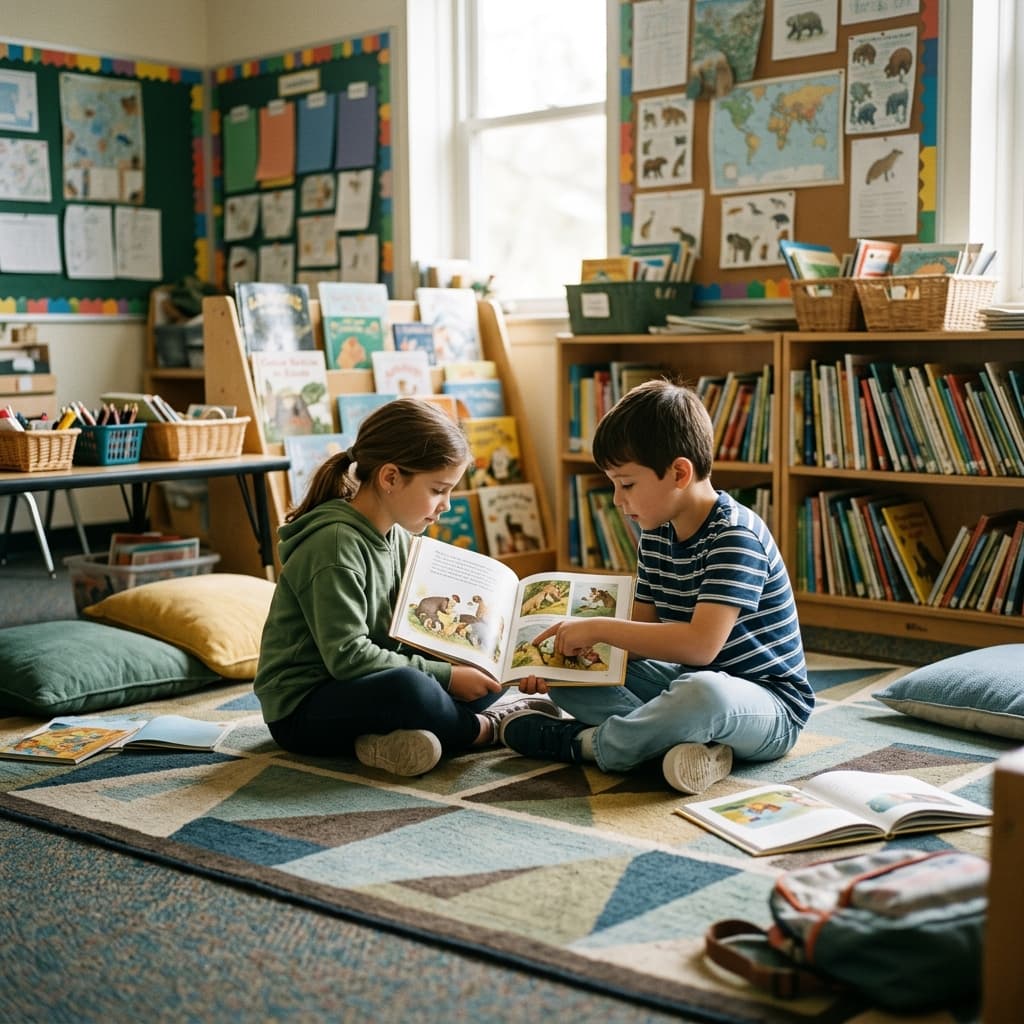
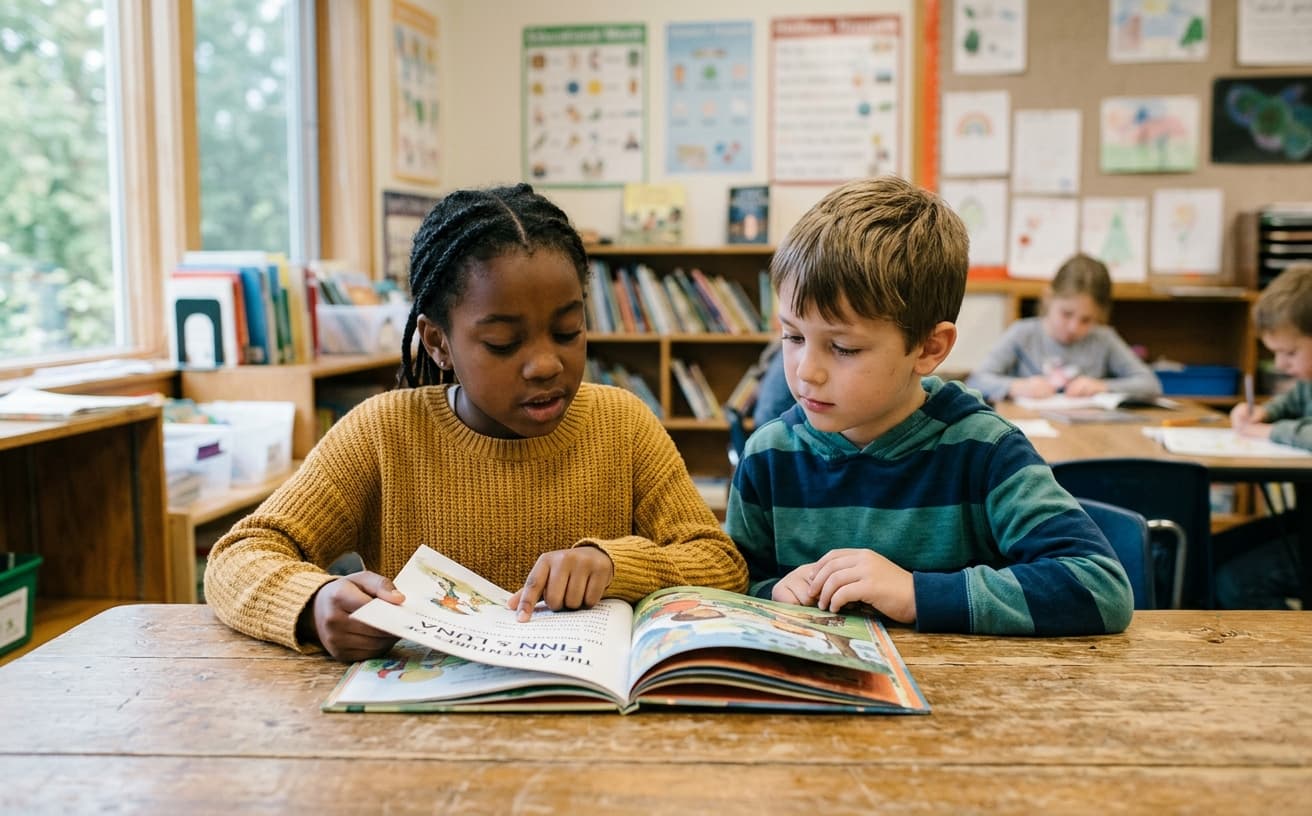
Buddy reading works when pairs mix skill levels and friendships — but letting students pick partners recreates the same clusters every week. A reading partner picker spins names with auto-exclude so pairs form transparently. The wheel explains why you are with Alex today, not because the teacher secretly matched you.
Use this flow for partner reads, fluency practice, think-pair-share, or peer editing. The embed below shows a demo roster; paste your class on the Name Spinner homepage, enable auto-exclude, and spin twice per pair — first reader, second partner — until everyone is assigned. When the whole class presents afterward, lock order with the presentation order picker so pairing and speaking slots stay separate rituals.
Pairing transparency matters for co-teaching and inclusion meetings — you can show exactly how partners formed without manual spreadsheets. Substitutes inherit the same tool with your encoded roster URL, not a new app login or printed cheat sheet only you understand.
Weekly partner spins mix voices before high-stakes assessments — use the same roster on the homepage all year so auto-exclude history stays consistent when you enable it for pairing rounds.
Buddy reading fails when the same pairs form silently every week. A visible double-spin — name one, name two — gives you an audit trail substitutes and parents can understand. The wheel is the matchmaker; you still set the reading passage and time limit.
Literacy coaches often ask for partner variety data — a printed pair list after each spin satisfies that request without a spreadsheet. Re-randomize each unit so voices mix across the semester while keeping the workflow identical every time.
English learners benefit when partner reads use shorter chunks and picture support — the spin still randomizes social exposure while you scaffold text difficulty separately. Never conflate reading level pairing with behavior pairing; document both policies clearly.
Building pairs step by step
Odd class size? Spin pairs until one student remains, then assign that student as floater who joins the pair that finishes first — announce this before spinning.
- Triads: Spin three names per group when you want stronger support clusters.
- Reading level: Pre-set strategic pairs if required, remove those names, randomize the rest.
Random pairing is not leveled pairing — explain hybrid approaches once so they still feel fair. Keep first sessions short: five minutes of partner read builds trust before longer passages.
- Fluency norms: Model whisper voice before the first read.
- Materials: One passage on a shared slide reduces shuffling.
- Timer: Visible countdown keeps pace equal.
Partner reading routines that work
- Echo read — partner reads a sentence, student repeats with expression
- Choral pair — both read aloud together for one paragraph
- Question pass — one reads, one asks who/what/where after each section
- Timer swap — two minutes each, switch roles when timer chimes
- Whisper read — low-volume practice for crowded classrooms
Illustrative pairing notes
22
Demo roster size
Replace with your class on the homepage
11
Pairs from 22 students
Illustrative — odd count needs floater rule
22
Spins per full pairing
One per student with auto-exclude
Fairness and classroom climate
Random partners reduce exclusion but respect documented needs — separate students who cannot work together by removing one name before the spin, or swap after with a brief explanation. Never use the wheel as punishment ("you two are partners because you were talking").
Trust improves when students watch auto-exclude remove winners from the pool. Project the spin on the board so the process is public.
- English learners: Shorter text chunks and visuals scaffold difficulty while the spin still mixes social partners fairly.
- Intervention blocks: Use the same wheel for fluency probes — one minute per side — without changing the pairing workflow teachers already trust.
Reading partners benefit from clear time boxes — five minutes each way before switching roles. Post the pair list for the whole reading block so transitions do not require a new spin mid-lesson. Track partner history on paper if your literacy coach asks for variety data; re-randomize each unit for fresh voices.
- Hallway transitions: Line leader spins stay separate from reading pairs — announce which wheel governs which duty.
- Teams of four: Use the group generator when projects need quartets instead of dyads.
- Station rotation: Use the same pairs at every station for one day so movement stays orderly.
- Cold weather: Indoor whisper reads keep volume manageable when windows are closed.
Buddy reading is also effective for peer editing — same spin workflow, different rubric. Announce whether pairs may whisper or must use indoor voice before the first spin. Substitutes can rerun the wheel with your homepage URL if absence reshuffles the roster mid-week.
- Data tracking: Log partner pairs if your PLC reviews equitable participation quarterly.
- Fluency probes: One minute timed read per partner slot gives formative data without singling out individuals during the spin itself.
- Co-teach rooms: Both teachers see the same projected spin — no duplicate pairing arguments across the room.
- Intervention pull-out: Remove students who leave during the block before spinning pairs for the remaining roster.
Common questions
Can pairs repeat across weeks? Re-randomize each unit; track prior partners on paper if your school asks for variety metrics.
Substitute day? Share the homepage URL with your roster so a sub can spin fresh pairs without learning new software.
Virtual class? Spin on share screen, then send pairs to breakout rooms in meeting order.
- Think-pair-share: Same double-spin workflow — only the prompt changes.
- Odd counts: Floater joins the fastest-finishing pair — announce before the first spin.
- Progress monitoring: One-minute fluency probe per pair weekly gives data without changing the spin workflow.
- Library days: Spin before leaving so partners share one shelf section.
Co-teach rooms: Both teachers project the same spin so pairing disputes do not split across halves of the room.
Odd counts: Floater joins the fastest-finishing pair — announce before the first spin so nobody feels singled out as extra.
Weekly rotation: Re-randomize pairs each unit; log history on paper if your coach tracks partner variety across the year.
Substitute day: Share the homepage URL with your roster so a sub can spin fresh pairs without new software training.
- Think-pair-share: Use the same double-spin workflow — pairs are identical, only the prompt changes.
- Data tracking: Log partner pairs if your PLC reviews equitable participation quarterly.
Sample pair build (22 students)
Round 1
Spin twice — first pair on the board.
Round 2–11
Continue with auto-exclude until all names assigned.
Floater
If count is odd, assign floater role before last spins.
Lock
Photo pairs or export list for the reading block.

| Need | Tool |
|---|---|
| Pairs for reading | Spin twice per pair, auto-exclude |
| Teams of four | Group generator workflow |
| One speaker | Single spin, no exclude |
| Line order | Spin full sequence, no exclude |
“Random partners mix voices in buddy reading — the wheel is the reason, not social rejection.”
New to classroom spinners?
Read the full classroom name picker guide for roster setup and substitute handoffs.
Classroom name picker guide →Build your own spinner wheel
Paste any list, import a class roster, save history, and share a link — free on the Name Spinner homepage. No account required.
Open full Name Spinner →Related guides
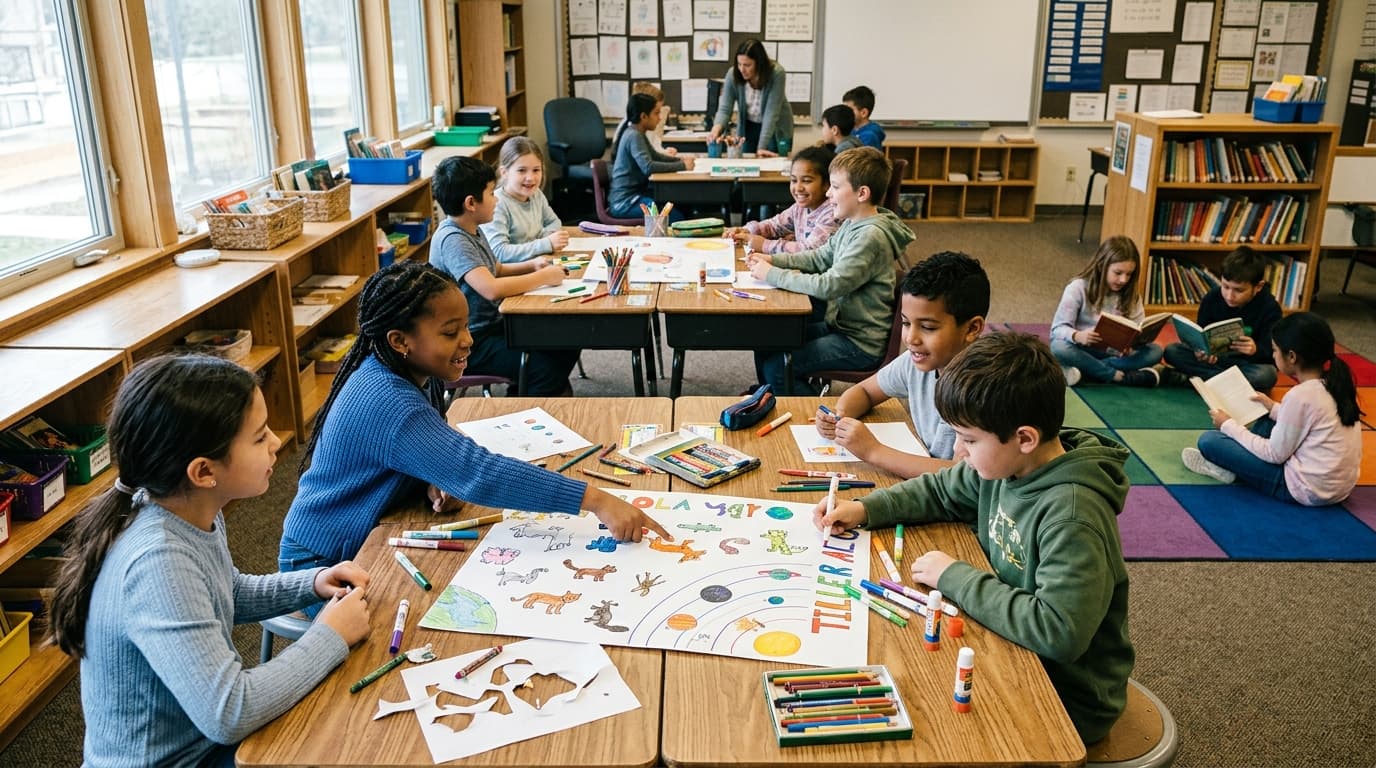
Classroom Group Work Spinner Guide
Assign fair student groups with a classroom group work spinner — visible random teams, no signup, and share links for subs. Demo roster ready to spin.
In-page spinner

By Name Spinner
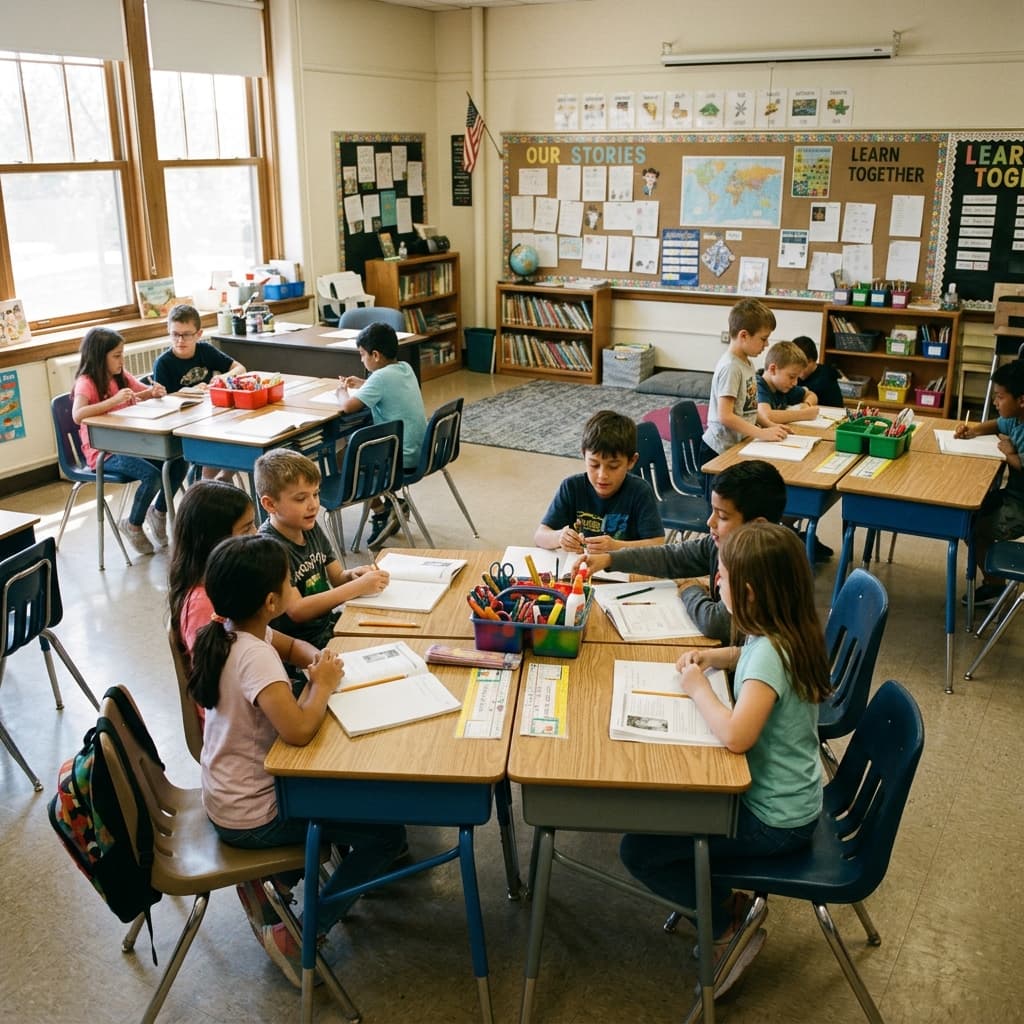
Desk Partner Switch — Seating Rotation Picker
Rotate desk partners fairly with a free classroom spinner — collaboration pairs, seating rotation, and fresh groupings without manual charts.
In-page spinner
By Name Spinner
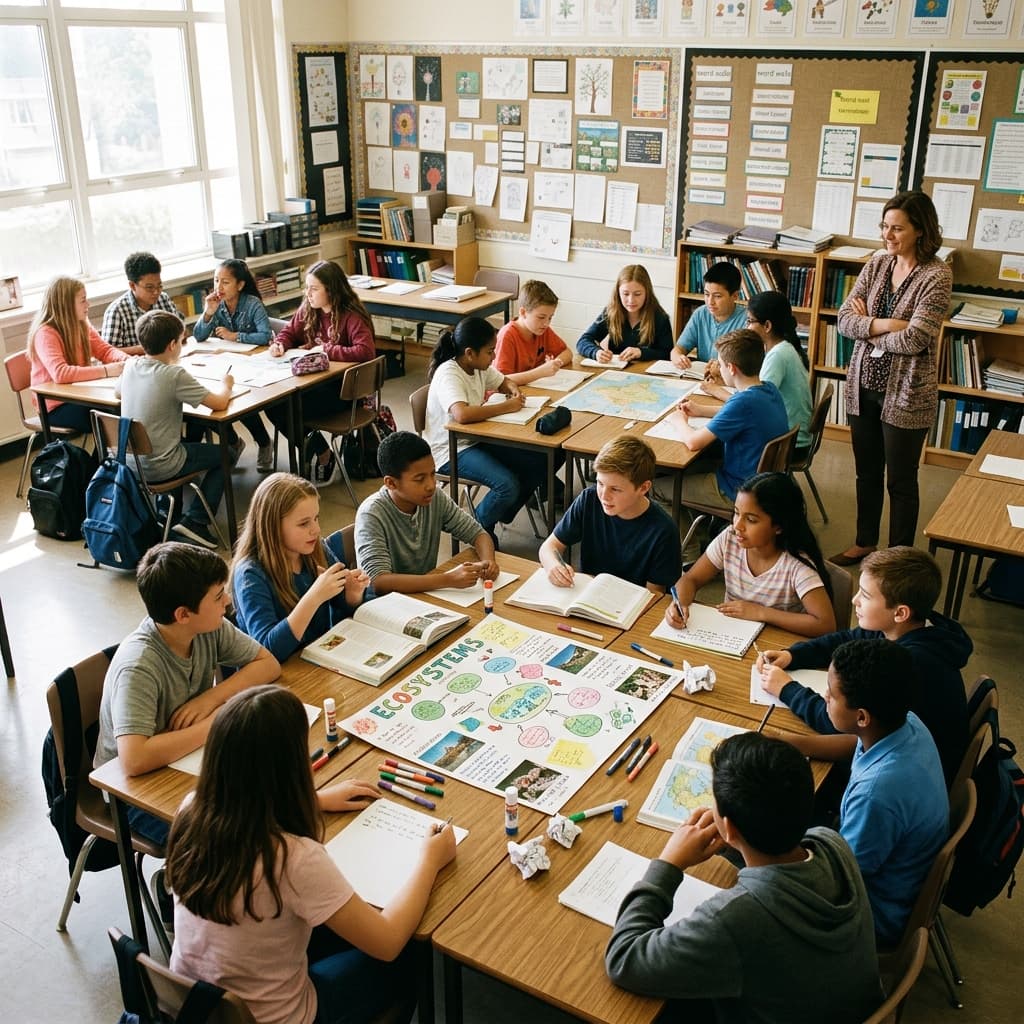
Classroom Group Generator Spinner
Split a class into random groups with a free spinner wheel. Demo roster included — paste your students on the homepage for fair team picks.
In-page spinner
By Name Spinner
Presentation Order Picker — Random Order for Class
Set random presentation order with a free classroom spinner. Demo roster included — paste your students on the homepage for fair, transparent speaking slots.
In-page spinner
By Name Spinner