
Name Spinner
- Spin for an element
Periodic Table Picker — Random Element Wheel
Spin a random chemical element for chemistry class review, element reports, and lab warm-ups. Free periodic table picker — ten elements ready to spin now.
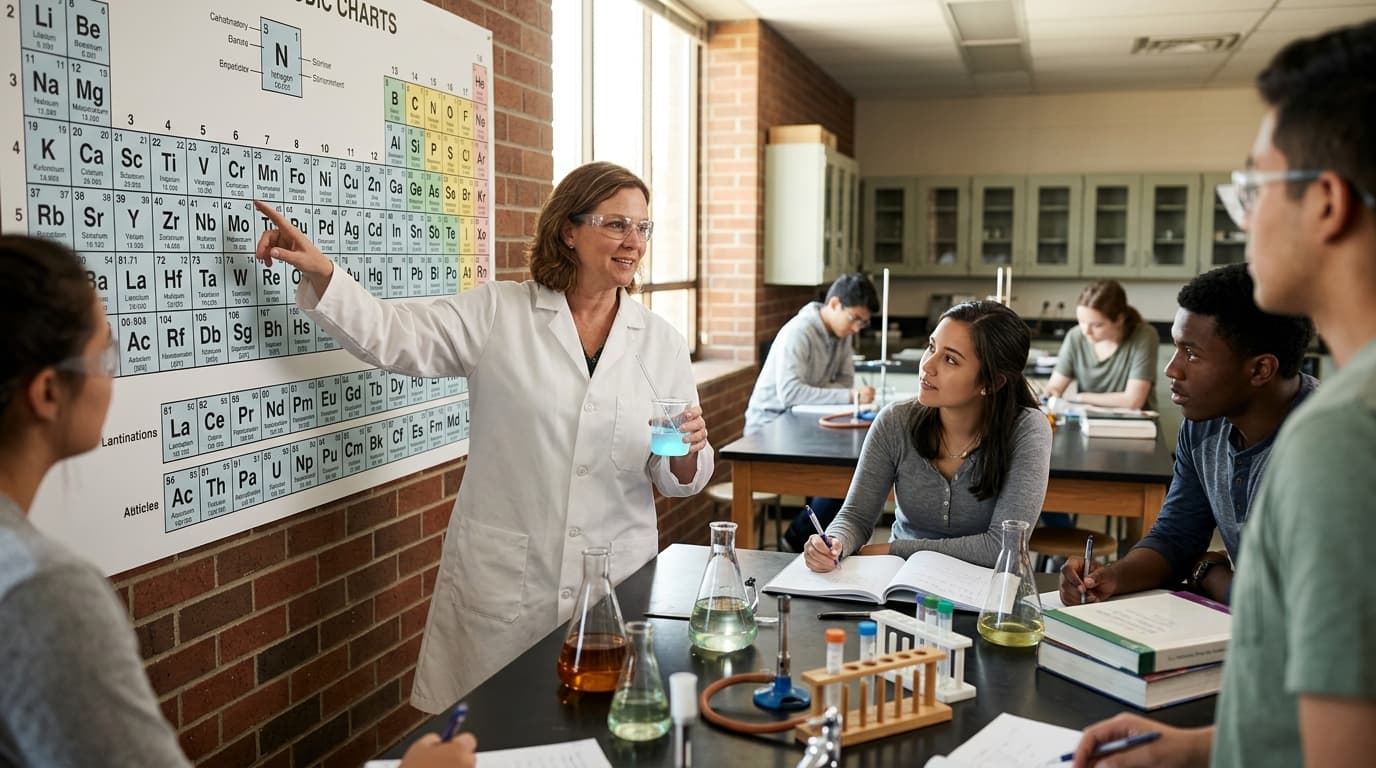
Spin an element before the lecture deck opens
Chemistry units often march through the periodic table in atomic-number order while students memorize the first twenty rows without attaching stories to individual elements. A periodic table picker breaks the pattern by letting the room watch one fair spin decide today's focus. This embed lists ten fundamental elements — hydrogen, helium, lithium, carbon, nitrogen, oxygen, fluorine, neon, sodium, and magnesium. Each name occupies one equal slot on the chemistry element wheel, so carbon is as likely as neon on any spin.
Element review sessions start with the spin projected during bell work. Students write one question they want answered about the landed element before notes begin — collect sticky notes and you have a student-driven agenda. Pair with the random planet picker when discussing where elements form — stellar nucleosynthesis links hydrogen and helium to astronomy units without leaving chemistry class.
The wheel does not replace the full table — it chooses the entry point so every element on the embed earns airtime across a term. Cross names off a classroom poster as they win spins under a no-repeat-until-clear rule if you want complete coverage before duplicates. Lab warm-ups use the spin to assign unknowns — "today's burner flame color demo ties to the element we spun" — even when the full periodic table poster hangs on the wall.
Creative writing in STEM clubs treats the spun element as a character — personify sodium's reactivity, neon's glow, carbon's versatility in organic chains. Require one verified fact from a textbook or agency fact sheet plus one invented detail — a festival, a migration of electrons — so imagination stays tethered to real chemistry.
When your scope needs transition metals, halogens beyond fluorine, or lanthanides, paste a custom list onto the Name Spinner homepage and share the spin link with lab partners. Mechanics stay identical; only labels change. Remote students see the same winning element during hybrid lab briefings if you share screen on the spin before breakout instructions.
Compare deep time with the random dinosaur picker when linking carbon cycles to fossil fuels and paleoclimate — spin element first, spin species second, and debate how carbon moves between reservoirs across eras. That cross-link keeps chemistry from feeling isolated on the schedule.
Classroom workflows from spin to lab bench
- Opening bell (five minutes): Spin, display symbol and atomic number, show one high-resolution periodic-table tile while attendance finishes.
- Substitute day: Spin drives a video worksheet — narrators, property reporters, everyday-use historians rotate roles so passive viewing becomes active.
- Assessment alternative: Instead of a fifty-element multiple-choice test, require a one-page element brochure for the spun sample. Rubric items include one real measurement, one hazard symbol, and one everyday product containing the element.
- Parent night demo: Families spin once; the result anchors a take-home kitchen chemistry tip — sodium in table salt, helium in balloons with safety notes.
- Lab safety tie-in: Spin fluorine or sodium and review storage rules before any hands-on work — even if today's experiment uses different reagents, the spin primes attention.
- Math integration: Convert atomic mass to moles for the spun element in a practice problem set — random selection prevents every student from calculating only hydrogen.
Fairness note: equal slots mean oxygen and magnesium share the same odds every spin. Three oxygen hits in one week is normal clustering, not a broken wheel. Use repeats as a probability mini-lesson. Offer one re-spin token per unit only if disappointment blocks participation; otherwise keep the social contract that the visible spin stands.
- Research projects: Spin on Monday, draft outline Wednesday, present Friday — pacing built in.
- Library period: Find one nonfiction article mentioning the element in the past year — battery tech for lithium, medical imaging for helium — summarize in three sentences.
Cross-curricular writing: Spin carbon, draft a captain's log from a molecule's perspective traveling through the carbon cycle. Older students add a balanced equation; younger students illustrate reservoirs — atmosphere, ocean, rock.
Illustrative slot grouping — not abundance in the universe.
| Element | Classroom prompt |
|---|---|
| Hydrogen | Compare fuel-cell use vs balloon lift — safety first |
| Carbon | Name three allotropes and one everyday compound |
| Oxygen | Diagram combustion vs respiration — same element, different context |
| Neon | Explain emission spectra in plain language |
Honest chemistry and pop culture corrections
Speculative fiction and advertising bend science — glowing green "radioactive" slime rarely matches real emission spectra. Use spins to fact-check one media clip against a short reference sheet. When neon lands, compare movie signage to noble-gas discharge tubes in lab demos. Keep tone curious, not smug; storytellers trade accuracy for visuals, and that is worth discussing in media-literacy terms too.
- Pseudoscience pushback: Magnesium spin week might address supplement claims versus evidence — teach students to ask for sources.
- Environmental angles: Carbon and nitrogen spins link to fertilizer runoff and greenhouse discussions with data, not fear.
Facilitator notes on equipment and access
You do not need a full wet lab every spin. Projector, free periodic-table images, and printable data tables carry most sessions. For students with visual impairments, read the winning element aloud and offer tactile symbol cards where available. Captions on follow-up videos keep demos inclusive.
- Remote classes: Share screen on the spin, drop the element into chat, assign breakout rooms by result for jigsaw research.
- Homework extension: Find one headline about the spun element from the past year — probe discovery, industrial use, or medical application.
Comparison posters: After three spins across a week, groups build tri-fold displays comparing atomic radius, electronegativity trend, and phase at room temperature using a data table you provide. Random selection prevents every group from choosing carbon because "life is boring without it."
- Literacy tie-in: Read etymology excerpts — sodium from soda, helium from Helios — then discuss why symbols differ from English names.
- Art class: Spin a random color to palette an element-themed poster after the chemistry spin lands.
- Guest speakers: Invite a local chemist knowing the spin result in advance — email them the morning-of so their demo matches your classroom prompt.
- Standardized test season: Ten-minute spin-and-sketch brain breaks between long blocks keep science identity alive without heavy lab setup.
“When the whole class watches the spin, the element chosen feels like shared fate — and that shared fate gets students arguing about electron shells instead of arguing about fairness.”
Pair with space science
Teaching nucleosynthesis? Spin an element, then spin a planet and discuss which elements might concentrate in rocky versus gas worlds.
Open the random planet picker →Common questions
Only ten elements? This embed covers fundamentals for intro units — paste the full classroom list on the homepage for advanced courses. Weighted review? Duplicate segments if tomorrow's test emphasizes Group 1 metals — otherwise keep equal odds for fairness demos.
Combine with dinosaurs? Yes — spin element, spin dinosaur, discuss calcium in bones versus carbon in fossil fuels. Lab groups: Use the name picker after the element spin to assign who researches physical properties versus everyday uses.
Dangerous elements? Fluorine and sodium spins are teaching moments for hazard symbols — remove segments if your audience is too young for those conversations. Re-spin policy: One mulligan per unit for typos or off-topic lands — announce upfront.
- AP and honors: Require primary-source citations from NIST or IUPAC data for the spun element's brochure project.
- ELL support: Picture cards with symbol, name, and phonetic pronunciation beside the wheel labels.
- Club meetings: Chemistry olympiad teams spin for daily drill topics — electron configuration speed rounds for the landed element.
- Community education: Adult night classes spin before kitchen demos — sodium and water micro-demos with proper safety glasses and small quantities only under trained facilitators.
- Data literacy: Graph class spin results over thirty days; compare to uniform expectation and discuss sample size the same way researchers discuss incomplete datasets.
- Substitute plans: Leave spin instructions and element fact folder on desktop — any adult can run brochure drafting with minimal prep.
Build your own spinner wheel
Paste any list, import a class roster, save history, and share a link — free on the Name Spinner homepage. No account required.
Open full Name Spinner →Related guides
Gemstone Picker Wheel — Earth Science
Spin a random gemstone for geology units, jewelry design prompts, and museum field trips. Diamond, ruby, amethyst, and more — ten stones ready to spin.
In-page spinner

By Name Spinner
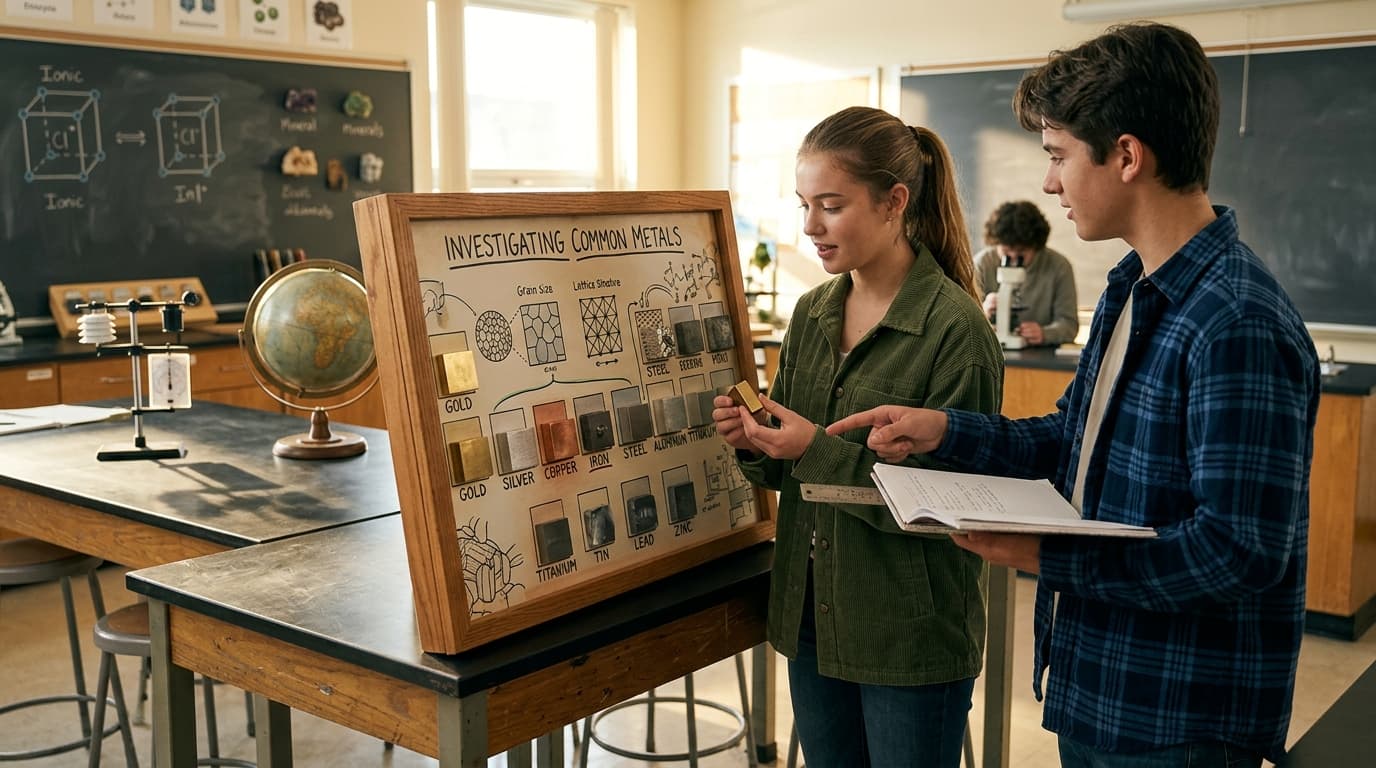
Metal Picker Wheel — Materials Science
Spin a random metal for chemistry labs, shop class, and materials units. Gold, steel, titanium, and more — ten metals ready to spin.
In-page spinner
By Name Spinner
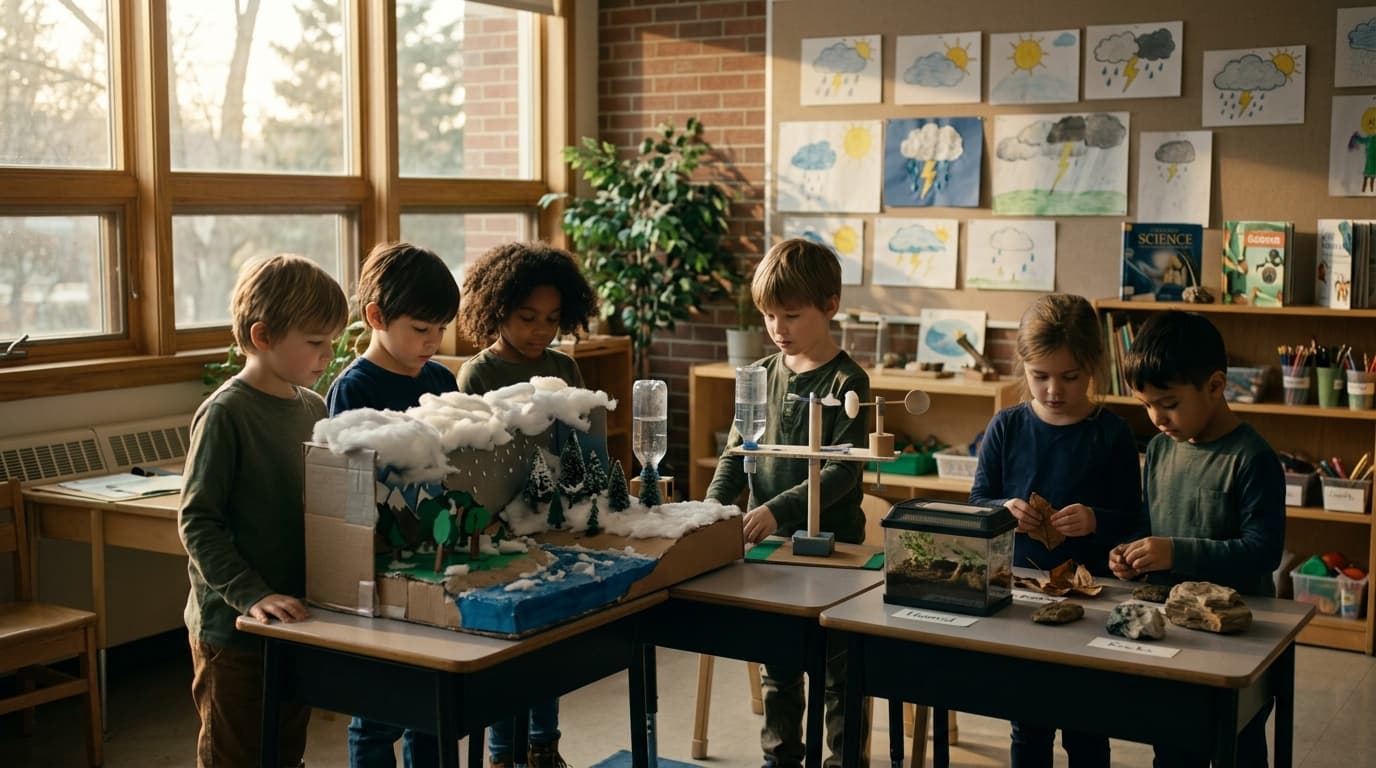
Weather Condition Picker — Science Class
Spin a random weather condition for meteorology units, journal prompts, and morning meetings. Sunny, stormy, humid, and more — ten conditions ready to spin.
In-page spinner
By Name Spinner
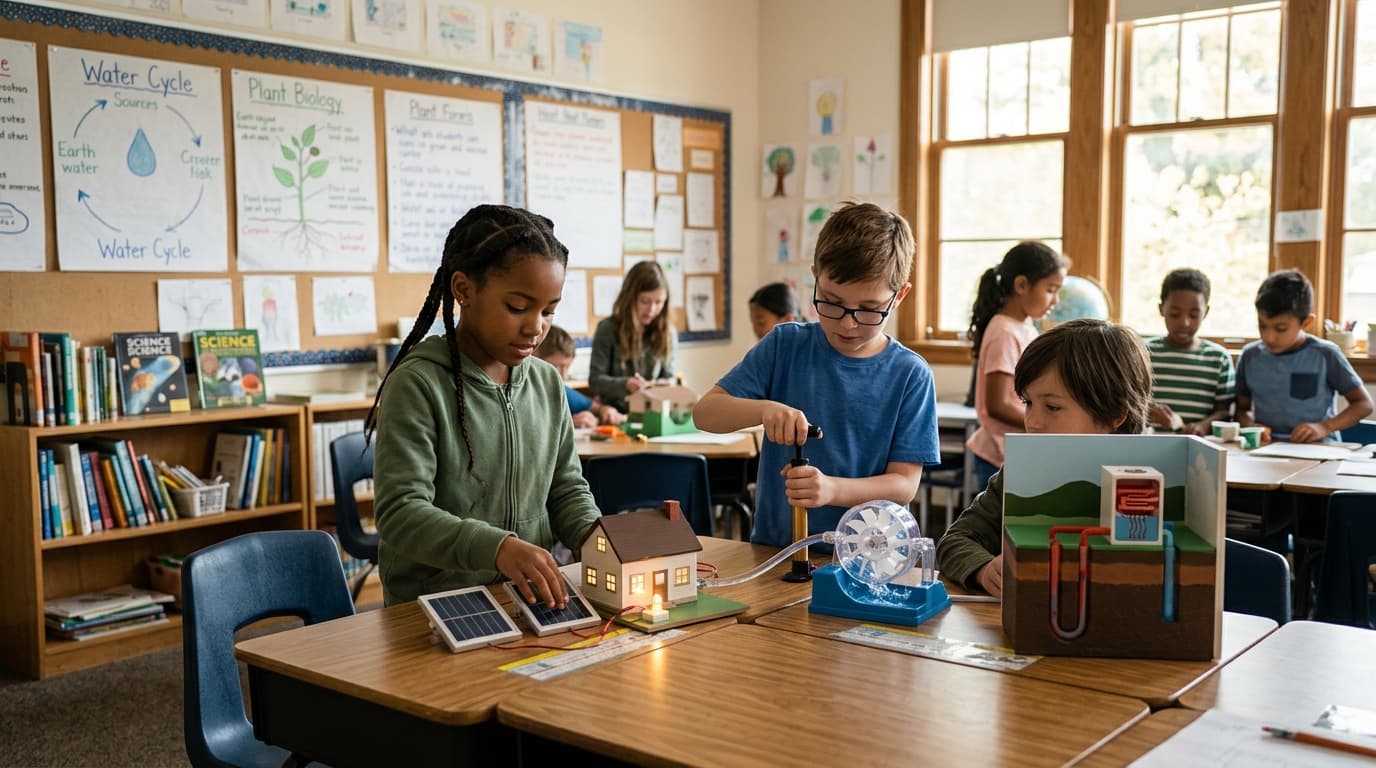
Renewable Energy Picker — STEM Lesson
Spin a random renewable energy source for science units and Earth Day projects. Solar, wind, hydro, and more — ten sources ready to spin in class.
In-page spinner
By Name Spinner