
Name Spinner
- Spin for a Color
Random Color Picker — Spin the Wheel
Pick a random color instantly with a free spinner wheel. Art prompts, design exercises, and classroom games — sixteen colors ready to spin in your browser.
What is a random color picker?
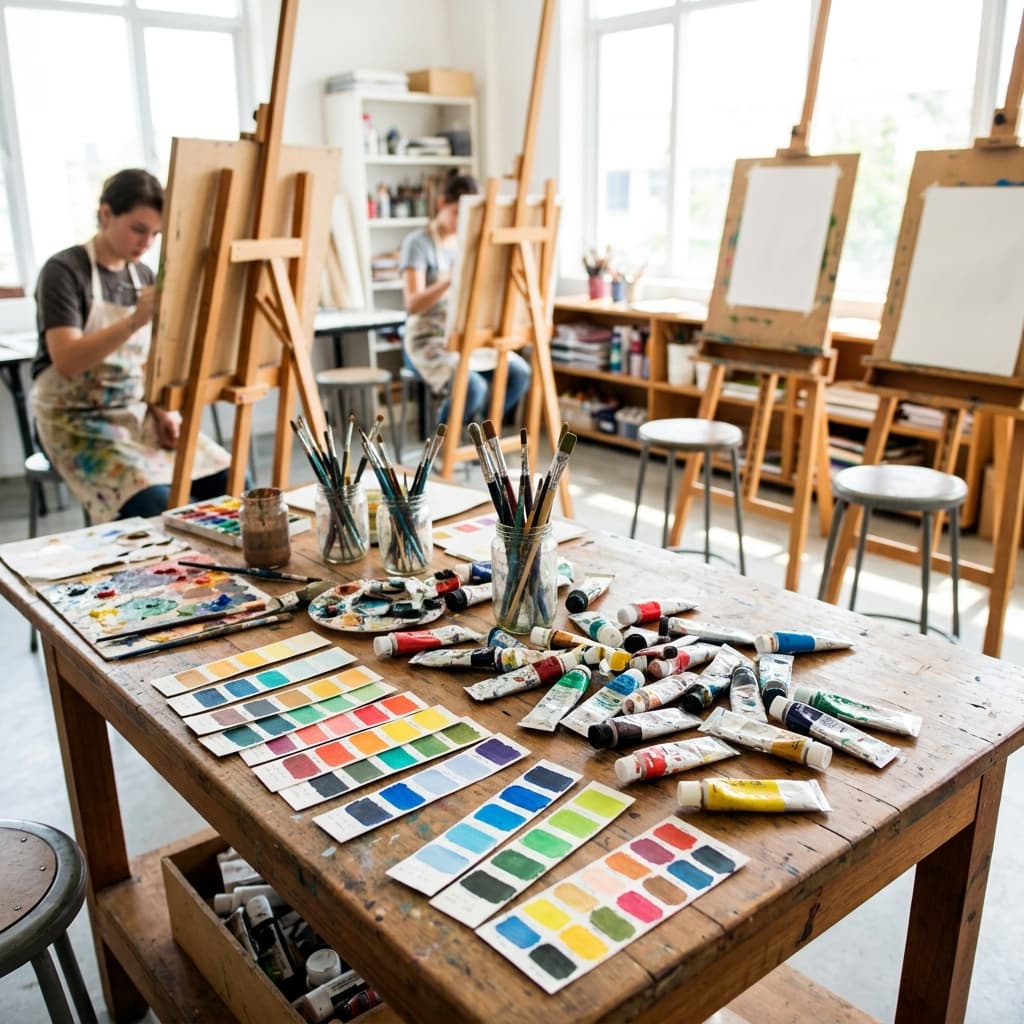
A random color picker assigns a hue when you need a creative constraint — story settings, art-class themes, design challenges, or party games where "pick a color" should feel fair. Instead of everyone shouting "blue," you spin once and commit to the result. The spin removes popularity contests — neon pink fans and grayscale minimalists start from the same neutral process.
Constraints spark creativity. A student told to draw "anything" freezes; a student told to draw only in shades of orange starts moving. This wheel includes sixteen common color names from primary basics to teal and gold. Spin for one assignment, or spin twice for foreground and background challenges.
Art teachers use color wheels for monochromatic studies, complementary pair research, and collage limits. Design students spin for UI accent colors, then run contrast checks against WCAG guidelines — random pick first, accessibility correction second teaches professional workflow. Writers spin and describe a scene where that color appears three times without naming the color until the last sentence.
Want brand palettes, hex codes, or seasonal color lists? Build your own on the Name Spinner homepage. Duplicate corporate brand colors for mock client exercises; add holiday palettes for December crafts without changing spin mechanics.
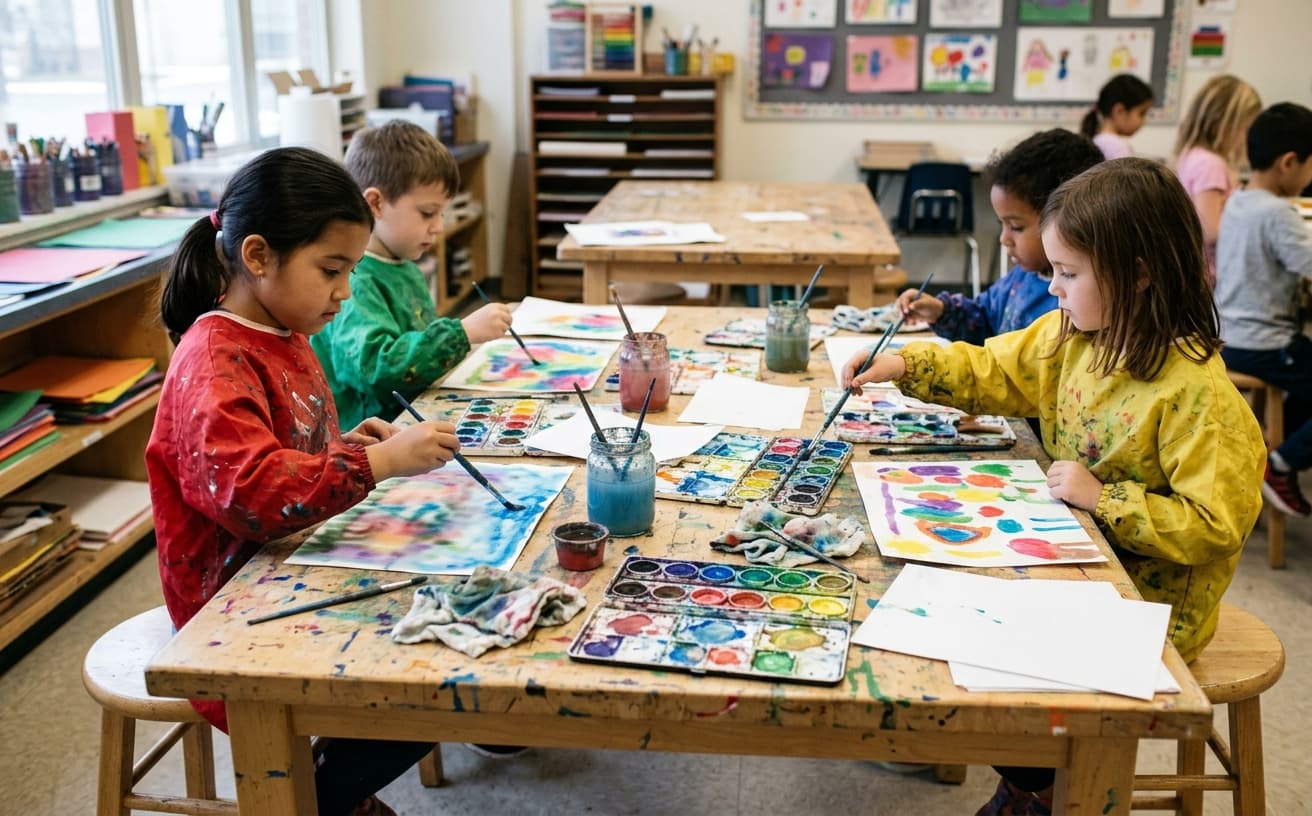
Early childhood rooms spin and hunt for objects matching the color — gross motor plus vocabulary. Therapeutic settings sometimes use color prompts for mood journaling — spin, then write about a memory connected to that hue without diagnosing; facilitators keep scope appropriate.
Ways to use a color wheel
- Art class: Spin for the dominant color in a still-life study, a monochromatic portrait, or a collage using magazine clippings.
- Writing: Spin and describe a scene where that color appears three times without naming the color until the last sentence.
- Design: Spin for a UI accent color in a mock app screen — focus on contrast and accessibility after the random pick.
- Early elementary: Spin and hunt for objects around the room matching the color.
- PE warm-up: Spin and assign an exercise tied to a color card at stations.
- Team building: Each group spins and creates a team poster using only that color plus black and white.
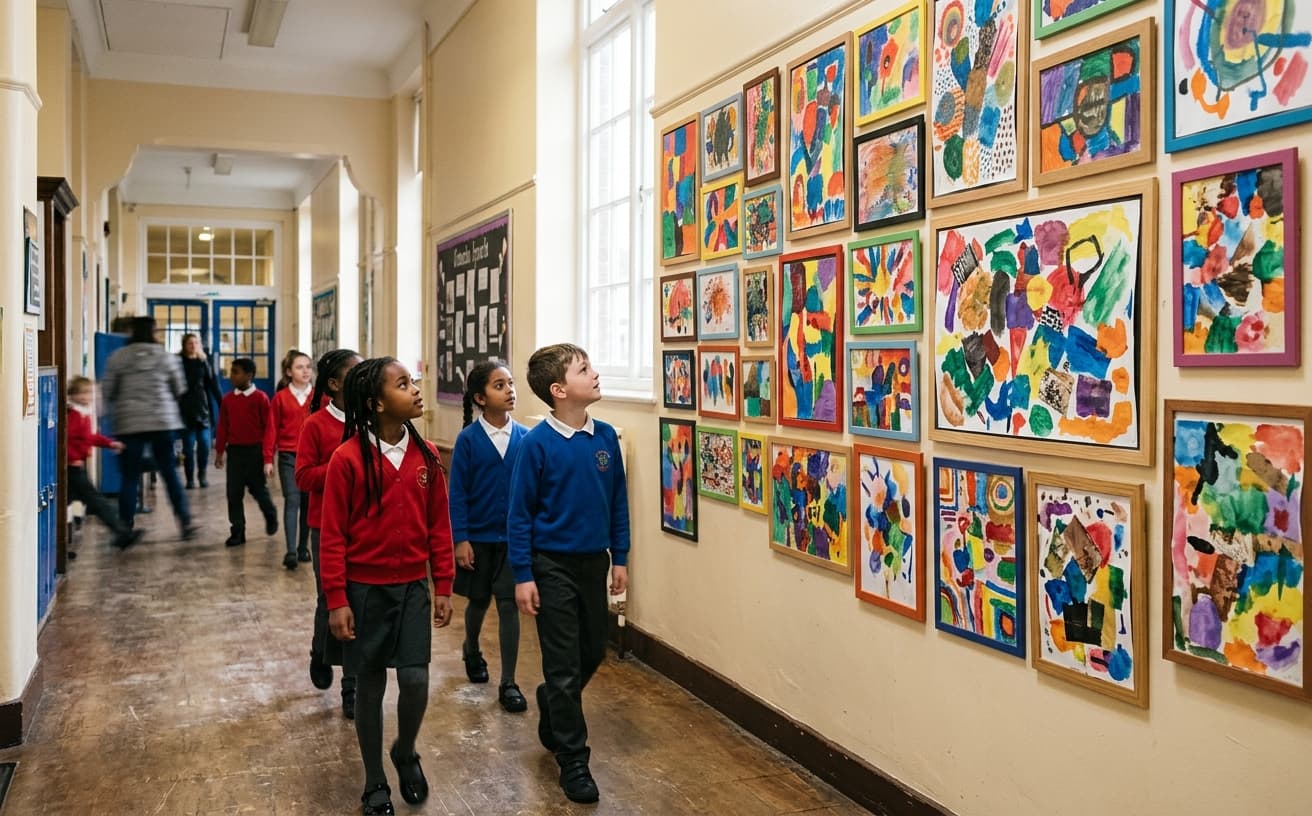
Set a repeat rule for long sessions — either allow duplicates or remove winning colors from a whiteboard list until the palette clears. Gallery walks after color assignments let students see how one hue becomes ten different artworks — diversity within constraint.
Photography units spin for dominant filter color — shoot twenty frames where teal appears naturally, no digital tint cheating. Fashion and textiles spin for fabric dye limits in mini-projects. Stage crews spin for gel color moods in one-act plays, then justify the emotional choice in director notes.
Science and culture connections
After the spin, teach warm versus cool using the illustrative chart — not as odds of winning, but as grouping language. Connect Gold and Brown to earth pigments; connect Cyan and Indigo to light versus pigment models in older grades.
- Geography spin pairing: Spin color, spin country, research a flag that features that color prominently — vexillology without a worksheet.
- History: Spin violet and discuss Tyrian purple trade costs; spin white and discuss mourning versus celebration traditions globally.
Fairness for younger kids: Offer one re-spin token per session if disappointment stalls the activity — save strict randomness for older groups who understand clustering. Project the spin publicly so nobody claims the teacher "wanted" a hard color on them.
Illustrative example only — rounded slot counts, not optical science.
Warm vs cool on this list
- Warm — Red, Orange, Yellow, Pink, Gold, Brown
- Cool — Blue, Green, Teal, Cyan, Indigo, Violet, Purple
- Neutrals — Black, White, Gray
Fairness and teaching color
Each color name on the wheel has equal odds per spin. The illustrative chart above shows how many slots each broad group occupies — not light wavelength or pigment chemistry. Use spins as prompts, then teach the real science or art theory afterward.
Younger students may disagree when "Gold" feels harder than "Red." Offer one re-spin token per session if disappointment stalls the activity — save strict randomness for older groups who understand clustering.
- Color blindness awareness: After spinning Red/Green, discuss how assignments look different for classmates with CVD — pair with pattern textures, not just hue.
- Neon versus pigment: Clarify that wheel labels are language categories; mixing paint versus lighting LEDs diverges quickly in high school labs.
Common questions
Are hex codes included? No — this embed uses plain color names. Add hex values as separate wheel segments on the homepage if you teach digital design.
Can I spin twice for complementary colors? Yes — spin twice and research complementary pairs, or build a fixed pair list on the homepage.
Does the wheel show actual colors on segments? Segment colors follow the site theme; the label is the winning color name. For swatch accuracy, project a color card after the spin.
Combine with animal picker? Spin color, then spin animal — draw the creature using only that color family plus black and white.
Can I remove neutrals for vibrant-only projects? Edit the homepage list before sharing the link — custom lists keep spin fairness while tailoring vocabulary to the lesson.
Maker spaces spin for filament or yarn color before timed builds — twenty-minute challenges stay fair when the material pick is public. Yearbook committees spin for accent color themes per spread when brand guidelines allow playful variation within school colors.
Assessment tip: Grade effort within the constraint, not similarity to a teacher example — two "Purple" pieces should look different if students interpreted the prompt individually. The wheel assigns the hue; rubrics assign the skills.
Sub plans: Leave one color spin prompt in the folder — subs run a five-minute warm-up without needing your art expertise. Pair with the demo name picker link so guest teachers inherit two familiar routines instead of improvising participation and creativity separately.
“Creative constraints from a random color often produce more original work than open-ended assignments — the spin removes endless debating.”
Combine with the animal picker
Spin a color, then spin an animal — draw the creature using only that color family plus black and white.
Open the random animal picker →Build your own spinner wheel
Paste any list, import a class roster, save history, and share a link — free on the Name Spinner homepage. No account required.
Open full Name Spinner →Related guides
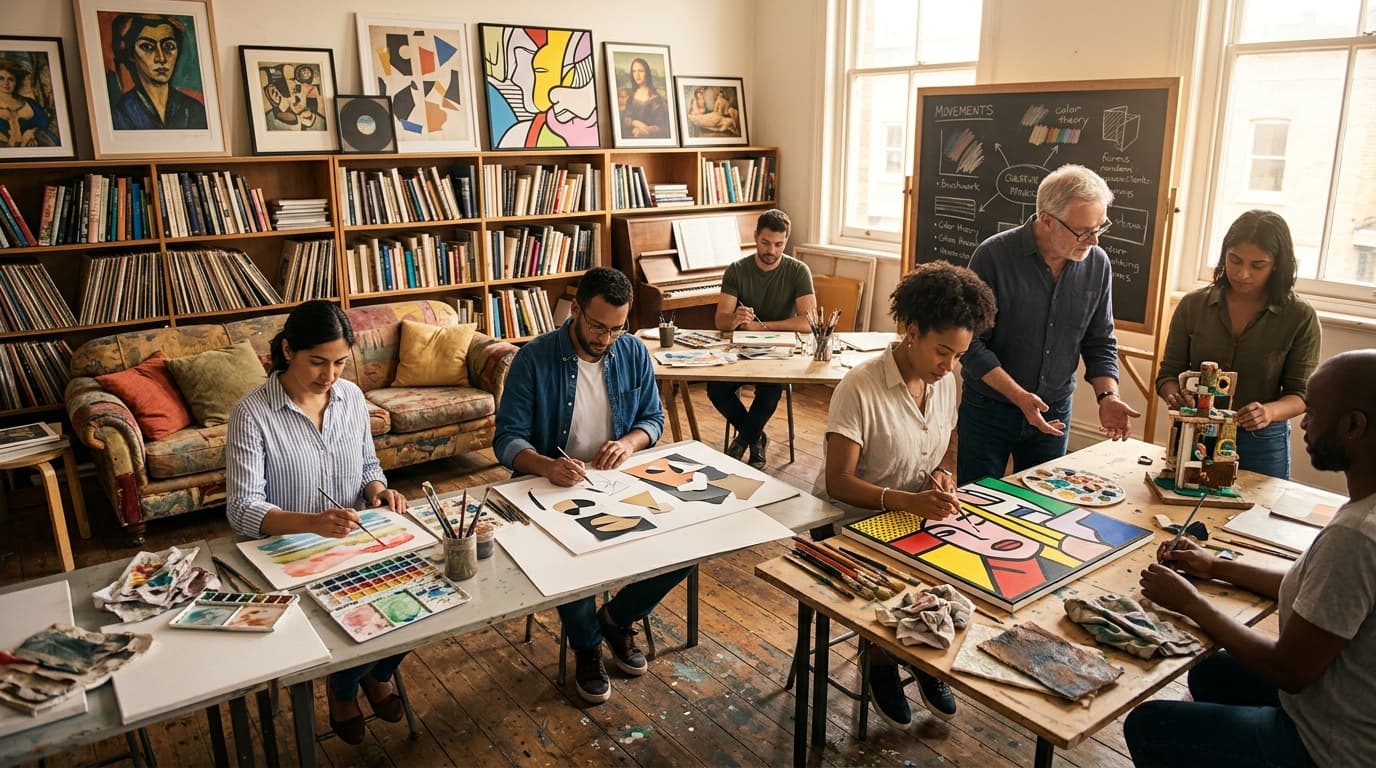
Art Movement Picker Wheel — Studio Class
Spin a random art movement for studio projects, art history units, and museum trips. Impressionism, cubism, pop art, and more — ten movements ready to spin.
In-page spinner

By Name Spinner
Musical Instrument Picker — Free Class Wheel
Free instrument picker for band units, listening labs, and music class prompts. Ten instruments, equal odds — fair rotation everyone can watch. No signup.
In-page spinner
By Name Spinner
TV Show Genre Picker — Media Literacy
Spin a random TV show genre for media literacy, family night, and writing prompts. Sitcom, documentary, game show, and more — ten genres ready to spin.
In-page spinner
By Name Spinner
Video Game Genre Picker Wheel — Media Literacy
Spin video game genres for media literacy, library clubs, and design prompts. Action, puzzle, strategy, and more — ten classroom-safe genres ready to spin.
In-page spinner
By Name Spinner