
Name Spinner
- Spin for a Creature
Random Ocean Creature Picker — Spin the Wheel
Pick a random ocean creature with a free spinner wheel. Marine biology prompts, conservation debates, and food-web lessons — ten species ready to spin.
Marine units that start in the open ocean
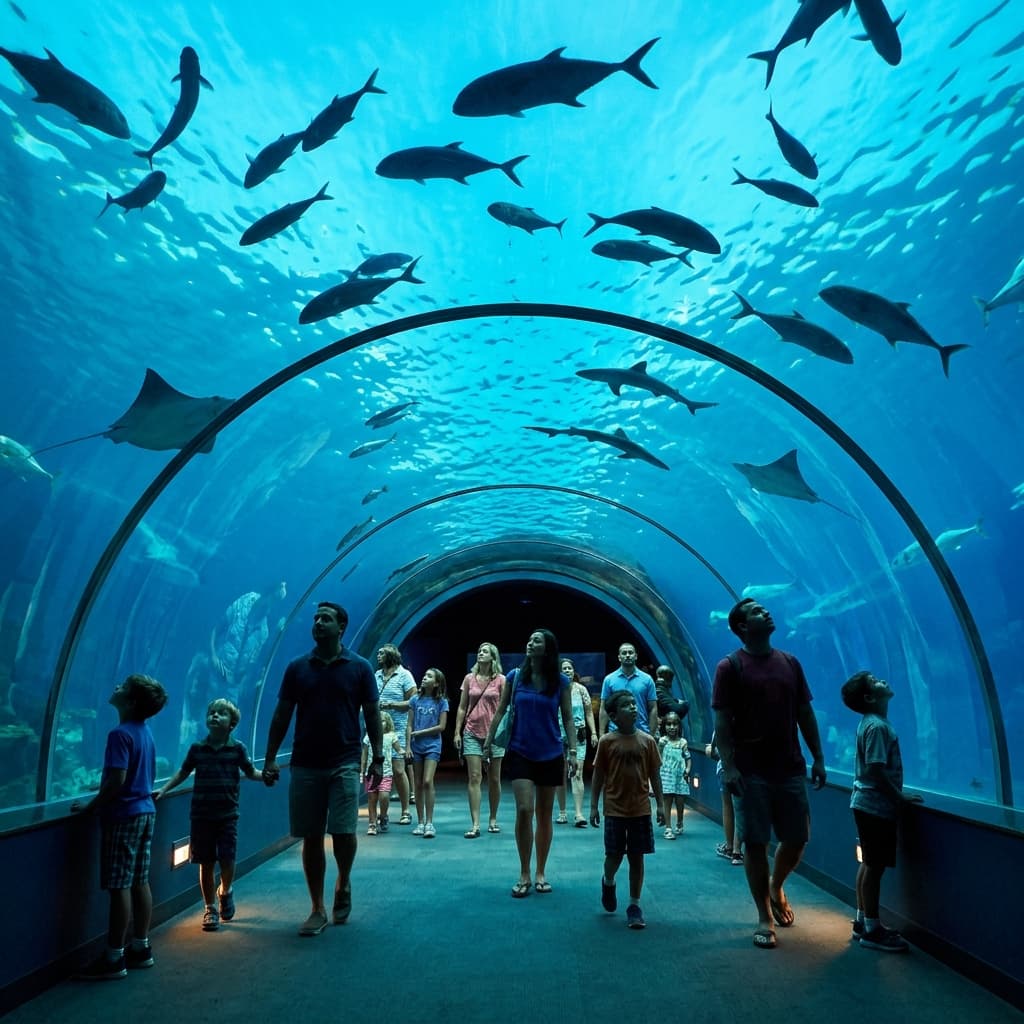
Textbook chapters often march from plankton to whales in predictable order, which means students anticipate the next header instead of asking questions. A random ocean creature picker scrambles the sequence on purpose: today's anchor might be a clownfish, a manta ray, or a blue crab depending on one visible spin. You still teach standards — habitats, adaptations, human impact — but the entry species changes daily so note-taking stays alert. Aquarium field trips pair well: spin before boarding the bus, then hunt for the creature or its nearest relative in the gallery.
This wheel lists ten recognizable marine animals spanning mammals, cephalopods, cartilaginous fish, and crustaceans. Dolphin and humpback whale share equal odds with jellyfish and seahorse; no slot is weighted toward charismatic megafauna despite their poster appeal. Conservation discussions gain nuance when random selection forces students to advocate for less famous species — a seahorse spin opens trade regulations and habitat loss; a hammerhead spin introduces finning bans and bycatch statistics from reputable NGO fact sheets.
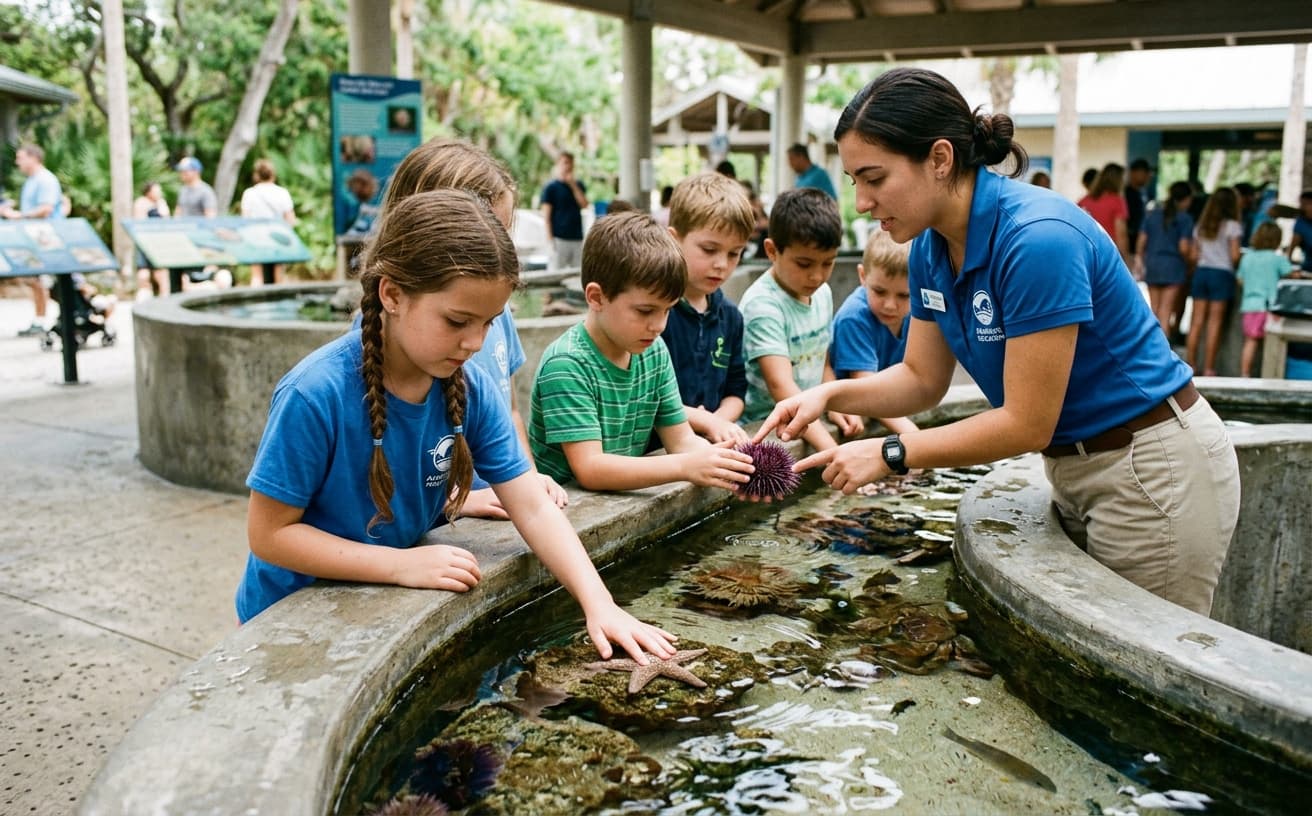
Ecosystem food webs become active diagrams after each spin. Place the creature in the center of the board; students add arrows for plausible prey and predators using evidence cards you provide — not guesswork from movies. Clownfish spin links to anemone mutualism; octopus spin links to mollusk intelligence and short lifespans; blue crab spin links to estuary health and Chesapeake-style fisheries management examples adaptable to any coast. Rotate student facilitators so voice does not always come from the teacher pointing at the poster.
Cross-link with the planet picker when discussing ocean worlds elsewhere in the solar system — spin an ocean creature, then debate what life signatures might look like on an ice moon. Keeps astrobiology grounded in Earth comparison. Custom regional species lists — kelp forest fish, coral reef endemics — paste easily onto the Name Spinner homepage for localized curricula.
- Citizen science hooks: After jellyfish or sea turtle spins, introduce apps where students log beach observations — real data submission beats worksheet coloring.
- Art integration: Gyotaku-style printing conversations start with fish spins even when you use rubber models instead of real specimens.
- Economics: Blue crab spin opens talk about fishing quotas and livelihoods in coastal towns without abstract supply-demand-only diagrams.
| Creature | Discussion starter |
|---|---|
| Humpback Whale | Migration corridors and ship-strike reduction |
| Hammerhead Shark | Overfishing and finning policy debates |
| Sea Turtle | Plastic debris and nesting beach protection |
| Jellyfish | Bloom triggers and climate-linked range shifts |
| Octopus | Intelligence ethics in aquarium display |
Food-web labs without drowning in vocabulary
- Level one (elementary): Spin, sort photos into producer, consumer, decomposer piles with teacher hints.
- Level two (middle): Draw three-link chain minimum including the spun creature.
- Level three (high school): Add human intervention arrow — fishing, pollution, protected area — cite one real policy. Time-box ten minutes; share on gallery walk.
- Marine biology journals: Each student maintains a species log across spins; one new fact per creature per week builds a semester notebook without repetitive worksheets.
- Socratic seminar: Spin hammerhead, assign readings on shark perception before debate on culling versus conservation.
Media literacy: Compare Finding Nemo portrayals with spun species fact checks — clownfish spin day is obvious, but manta ray spin catches students who assume all rays are identical. Discuss documentary versus Hollywood pacing.
Equal odds reminder: three dolphin spins in one week is plausible randomness. Graph class results; tie to chi-square optional extension. No-repeat challenge: cover all ten embed creatures before duplicates count toward extra credit field sketch.
- Virtual aquarium tours: Spin first, then search live cam directories for that species — homework feels like exploration rather than worksheet completion.
- Ethics seminar: Octopus spin day debates cephalopod intelligence policies in research; assign roles — scientist, activist, aquarium director — for structured argument.
- Primary sources: Use NOAA and national fisheries pages only; teach citation format alongside marine content so literacy and science grades align.
- label: "Apex & large predators" value: 30 - label: "Mid-level consumers" value: 50 - label: "Specialized benthic / small" value: 20
Conservation without doom fatigue
Balance threat statistics with success stories — humpback recovery narratives, protected areas where turtle nests rebound. Students shut down if every spin ends with extinction slides. Assign one local action per creature: reduce single-use plastic after jellyfish spin, participate in beach cleanup after crab spin, write a representative after whale spin.
Field and classroom safety
Do not bring live venomous species into class based on spins. Use video, models, and aquarium cams. Dissection alternative: virtual labs when jellyfish or octopus spins coincide with sensitive students — opt-out paths always available.
- Assessment: Create a public-service poster for the spun creature — habitat, one threat, one action item.
- Gifted extension: Design a marine protected area map placing three spun creatures' ranges with justification paragraphs.
Remote learners spin together on video, then search royalty-free image databases for reference photos to annotate trophic level. Share spin screenshot so homework matches class result.
- Podcast recommendations: Spin creature, assign one episode from vetted marine science shows for homework listening — accessibility via audio helps struggling readers.
- Simulation games: Some aquarium apps let students build virtual tanks; spun creature must appear with compatible tank mates students justify using compatibility research.
- Service learning: Partner with river cleanup after crab or turtle spins when watershed connects to your community geography.
- Cross-curricular math: Spin humpback whale, estimate daily calorie needs using order-of-magnitude reasoning from teacher-provided ranges — sensible guesses justified in sentences, not memorization.
- Literacy centers: Spin creature, write diary entry from its perspective for one day — voice is the graded skill with fact-check footnote requirement.
- Field journal template: One page per spin — sketch, trophic level label, human impact bullet, wonder question — compiles into semester portfolio without repetitive worksheets.
- Parent night: Spin at open house, send families home with creature fact handout tied to local watershed volunteer opportunities when applicable.
Substitute folder: Printed creature cards plus spin URL let any adult run a ten-minute food-web sort — minimal science background required when cards include trophic hints on the back.
Year-end review: Students vote favorite spin creature from the semester log and explain one fact they will remember into high school — closure ritual with science identity benefits.
“Food-web lessons stick when the central species changes each day — students stop memorizing one diagram and start reasoning about relationships.”
Pair with the animal picker
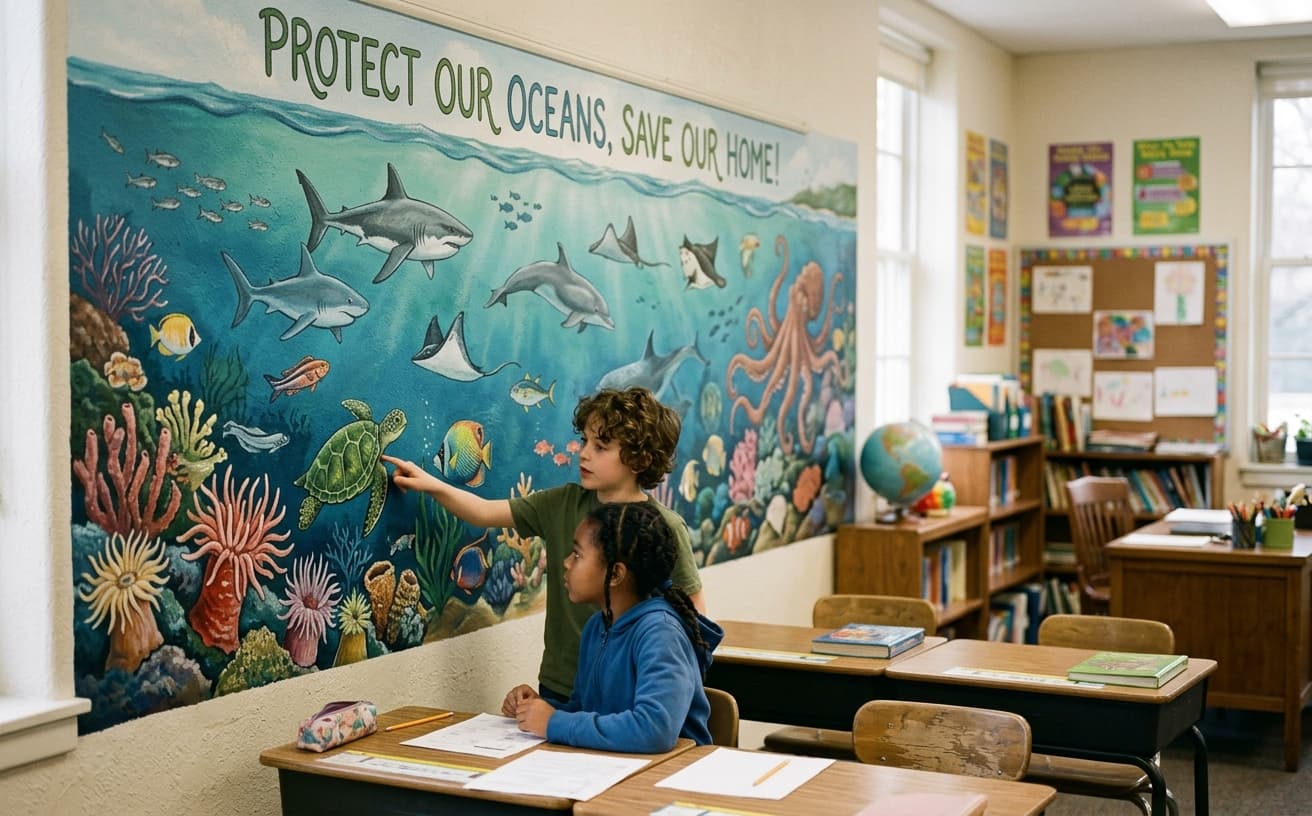
Compare terrestrial and marine adaptations — spin one creature from each wheel and debate which faces greater human-caused pressure in your region.
Open the random animal picker →Build your own spinner wheel
Paste any list, import a class roster, save history, and share a link — free on the Name Spinner homepage. No account required.
Open full Name Spinner →Related guides
Gemstone Picker Wheel — Earth Science
Spin a random gemstone for geology units, jewelry design prompts, and museum field trips. Diamond, ruby, amethyst, and more — ten stones ready to spin.
In-page spinner

By Name Spinner
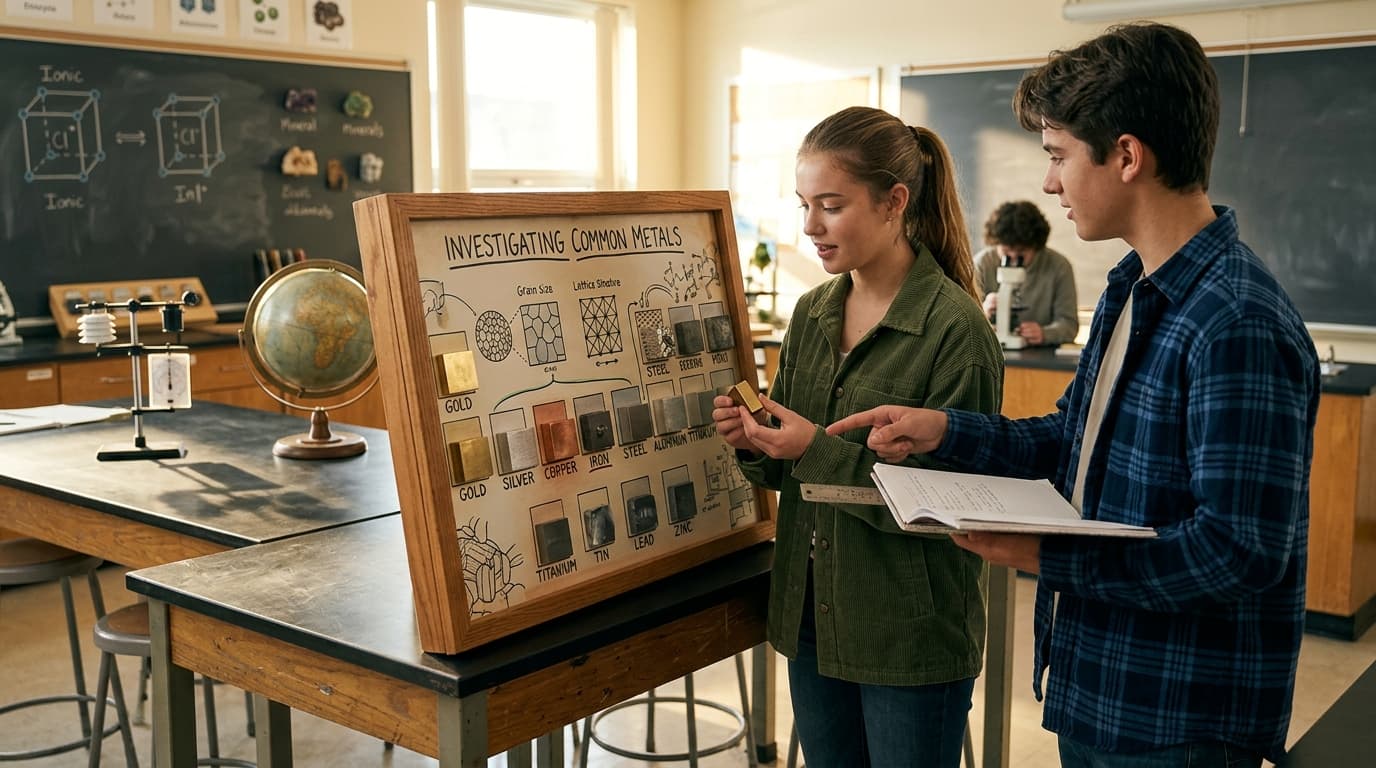
Metal Picker Wheel — Materials Science
Spin a random metal for chemistry labs, shop class, and materials units. Gold, steel, titanium, and more — ten metals ready to spin.
In-page spinner
By Name Spinner
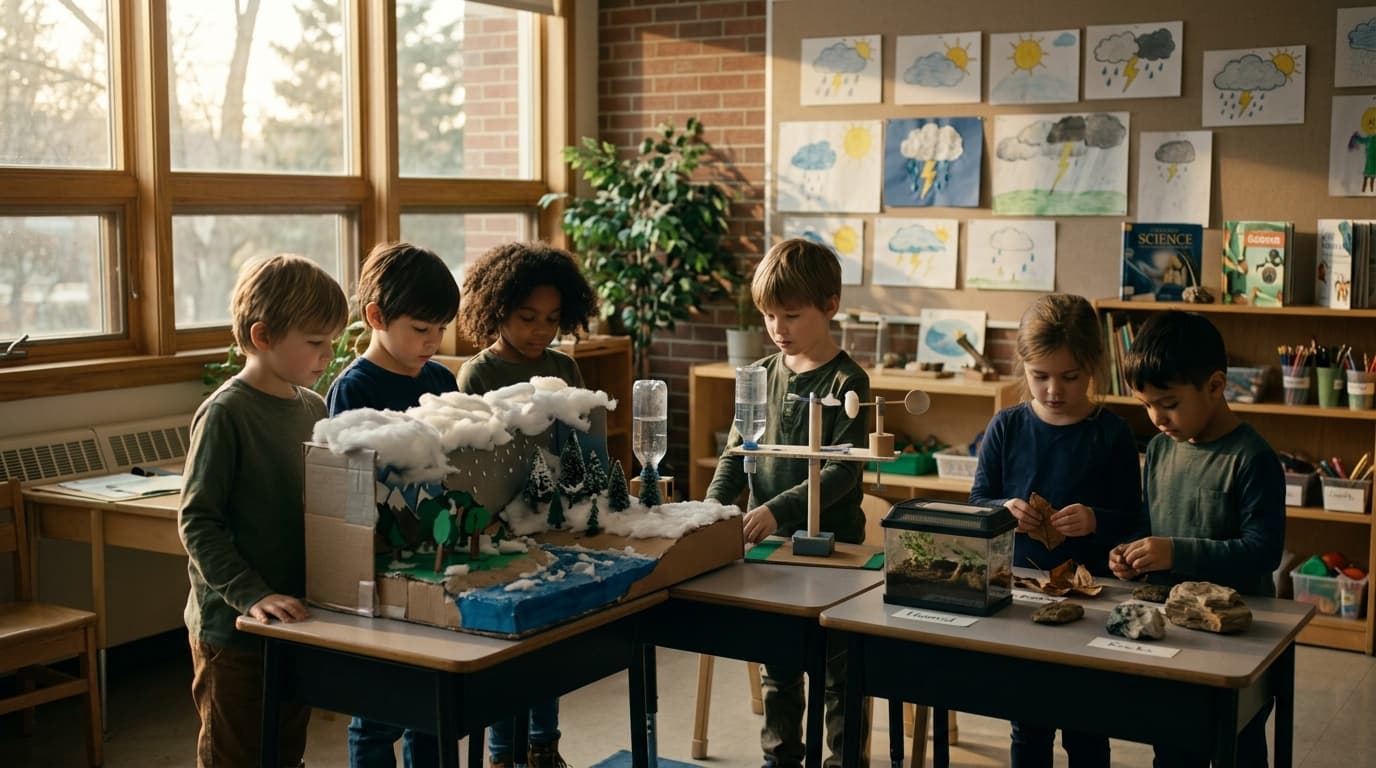
Weather Condition Picker — Science Class
Spin a random weather condition for meteorology units, journal prompts, and morning meetings. Sunny, stormy, humid, and more — ten conditions ready to spin.
In-page spinner
By Name Spinner
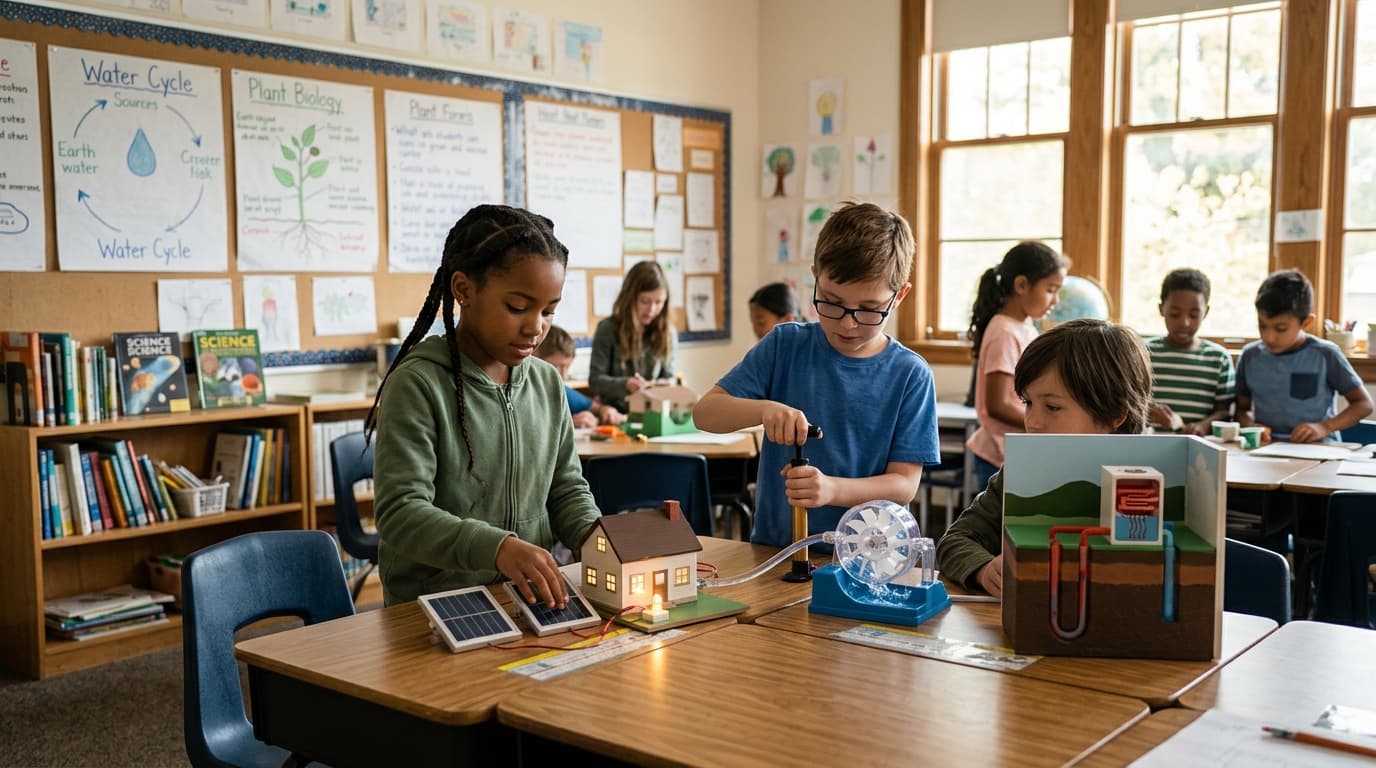
Renewable Energy Picker — STEM Lesson
Spin a random renewable energy source for science units and Earth Day projects. Solar, wind, hydro, and more — ten sources ready to spin in class.
In-page spinner
By Name Spinner