
Name Spinner
- Spin for an Animal
Random Animal Picker — Spin the Wheel
Pick a random animal instantly with a free spinner wheel. Great for writing prompts, kids' games, and classroom icebreakers — no account needed.
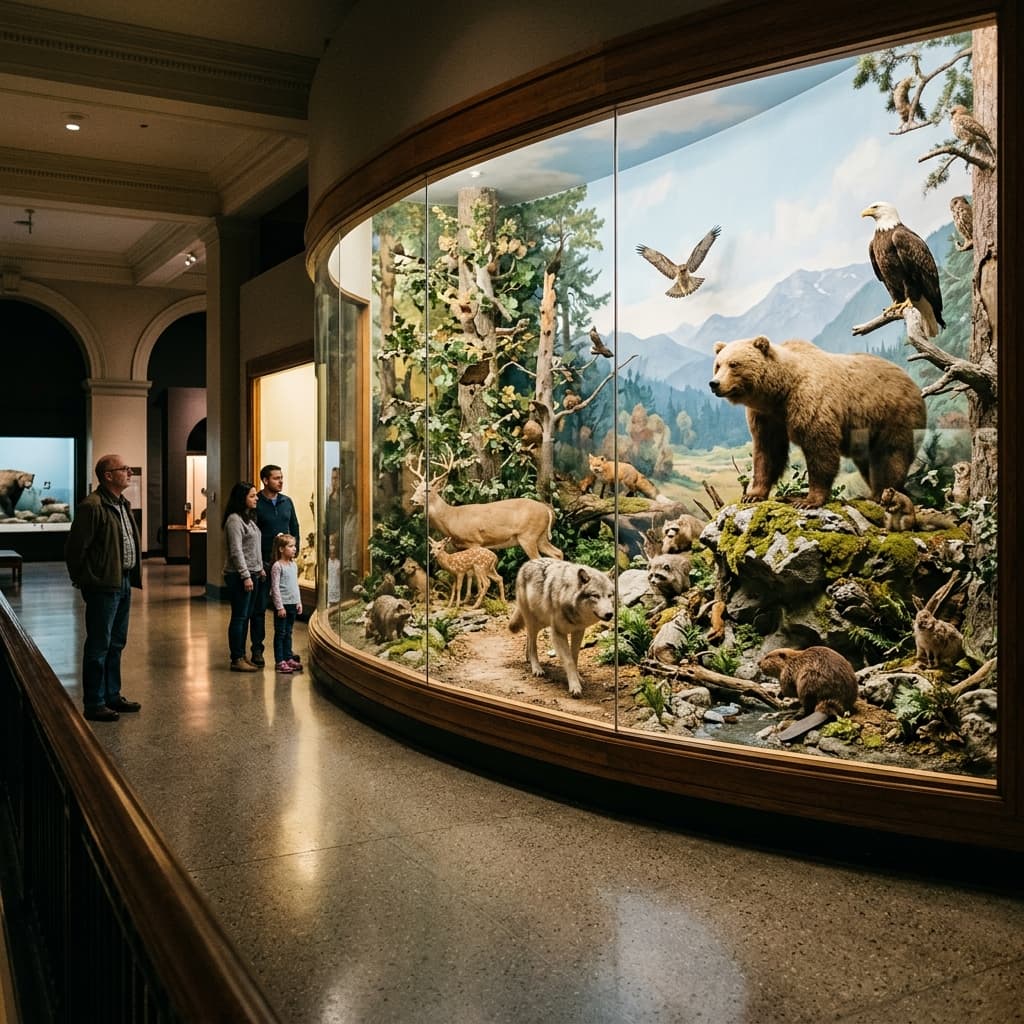
What is a random animal picker?
A random animal picker is the fastest way to choose a creature when you do not care which one wins — only that the choice feels fair. You might need a story protagonist, a drawing prompt, a science-class example, or a silly game for kids. Typing "pick one for me" in your head usually lands on the same favorites: dog, cat, lion. A spinner spreads attention across a wider set so polar bears and green sea turtles get their turn alongside the usual suspects.
Unlike static lists, a wheel gives the group a shared moment. Everyone watches the spin, hears the tick of deceleration, and accepts the result together. That social contract matters in classrooms and party games more than the specific animal chosen. When a second-grader trusts the process, they argue less about landing on wolf instead of dolphin — the spin was visible, so the outcome feels communal rather than teacher-picked.
Below is a spinner preloaded with twenty well-known species — mammals, birds, and marine life mixed together. Spin once for a quick prompt, or several times to build a "no repeats until the list clears" challenge on your own honor system. Cross-link with the random dinosaur picker or random ocean creature picker when your unit needs Mesozoic or marine depth instead of general mammals. Zoo field-trip teachers paste species from today's exhibit map on the Name Spinner homepage so spins match what students will actually see behind the glass.
Ways to use an animal wheel
- Creative writing: Spin for the main character's companion, the animal crossing the hero's path, or the creature featured in a six-sentence story. Require one sensory detail — smell of wet fur, slap of a tail — so the animal anchors the prose.
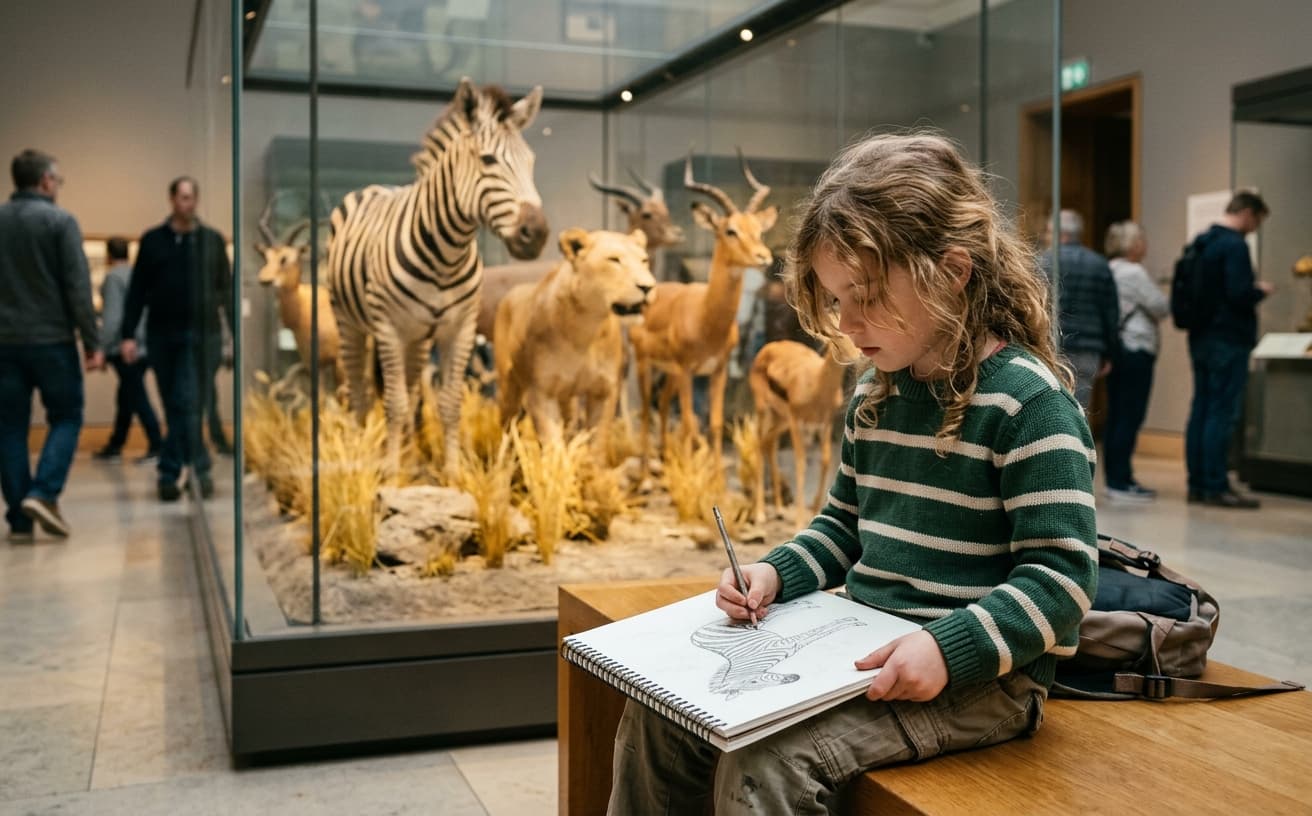
- Art class: Spin first, sketch second — the constraint speeds up blank-page anxiety.
- Elementary science: Spin, then name one habitat feature, one diet fact, and one adaptation. Keep facts verbal so the game moves quickly; look up details afterward if curiosity spikes.
- Icebreakers: Each person spins and shares a real or fictional anecdote involving that animal.
- PE warm-ups: Assign animal movements — bear crawl, crab walk, frog jump — based on the spin. Match intensity to grade level; emperor penguin might mean waddling relays, not sprints.
- Language practice: Spin and recite the word in another language if you are working on vocabulary themes — Spanish *león*, Mandarin 熊猫, and so on.
- Zoo and aquarium prep: Spin the night before a trip, assign one species to research for tomorrow's "expert of the day" badge. Students arrive knowing one animal deeply instead of wandering past every exhibit equally.
- Endangered species units: Spin, then assign habitat, threat, and one conservation project — the wheel picks the species; students supply the learning. Pair with WWF or local refuge websites for age-appropriate sources.
Theater and drama: Spin for spirit animals in improv scenes — "You are a nervous rabbit meeting a confident orca" — two spins, one minute, perform. Builds collaboration faster than open-ended "be an animal" instructions that stall shy performers.
When you outgrow a fixed list, the homepage lets you paste local wildlife — coyotes in suburban units, manatees in Florida curricula — or silly mythical creatures you invent on the spot for fantasy writing clubs.
Habitat categories on this wheel
- Savanna & grassland — lion, zebra, cheetah, elephant
- Forest & mountain — brown bear, gray wolf, snow leopard, panda
- Ocean & coast — blue whale, dolphin, orca, green sea turtle
- Polar & cold climate — polar bear, emperor penguin
- Flexible habitats — red fox, grizzly bear, humpback whale (migratory)
Illustrative example only — rounded percentages for teaching variety, not biological census data.
Ecosystem webs and adaptation labs
- Food web sketch: Spin three times, draw arrows — who eats whom, who shares habitat — without claiming scientific precision for every arrow. Discuss energy flow in plain language.
- Adaptation compare: Spin twice, Venn diagram — overlapping needs for water, shelter, reproduction; unique features like echolocation versus camouflage.
- Myth versus fact: Spin wolf, list one movie stereotype, then one field-guide fact. Media literacy meets life science in ten minutes.
Character design for writers: Middle-grade authors spin for a companion species, then answer three world-building questions — where does it sleep, what does the hero feed it, what problem does it cause? Constraints generate plot faster than unlimited choice.
Tips for groups and classrooms
Set a repeat rule before you start: either allow the same animal twice or remove winners after each spin by crossing them off a printed list. Younger groups benefit from pictorial cards matching wheel segments so non-readers stay included — photograph the wheel, print segment icons, lay them on the rug during circle time.
If someone feels disappointed by the spin, offer one "re-spin token" per session — that keeps drama low while preserving randomness for everyone else. For mixed-age siblings at home, pair the animal with a difficulty knob: older kids add a fact, younger kids act out the sound. Document the token rule on the fridge so re-spins do not become negotiations every afternoon.
Random does not mean uniform over short samples. Ten spins might cluster on mammals by chance; over dozens of spins, every segment gets its turn. That is a gentle statistics lesson hiding inside a game — track twenty spins, graph results, compare to expected one-in-twenty hits per species.
- Accessibility: Read each spin aloud for pre-readers; describe the animal's appearance when pictorial cards are unavailable.
- Sensory-sensitive students: Acting-out games can be optional — describe the movement instead of performing it in crowded spaces.
Questions parents and teachers ask
Are the animals weighted? No. Every animal on this list has the same chance each spin. The illustrative chart above shows how many slots each broad type occupies on this wheel — not real-world population counts.
Can I add my class pet or local zoo animals? Not on this fixed embed. Copy your custom list into the Name Spinner homepage and you get the same fair spin logic with your own names.
Is the list kid-safe? The embed uses familiar species without graphic content. Always preview prompts for your age group — predator-prey discussions can unsettle sensitive children if framed as violence rather than ecology.
What about endangered species lessons? Spin, then assign habitat, threat, and one conservation project — the wheel picks the species; students supply the learning. End on hopeful actions — refuge adoption, local cleanup — not doom alone.
How does this differ from the dinosaur or ocean creature pickers? This wheel mixes habitats for general prompts. Use the random dinosaur picker or random ocean creature picker when your unit needs Mesozoic taxonomy or marine invertebrate depth — cross-link wheels across a semester for variety without repeating the same twenty mammals every week. Civics weeks can pair animals with the random US president picker for cross-curricular icebreakers.
Assessment boundary: Spins work for practice and engagement; graded tests should use your rubric's fixed items unless you announce otherwise. Random prompts build fluency, not surprise exam content.
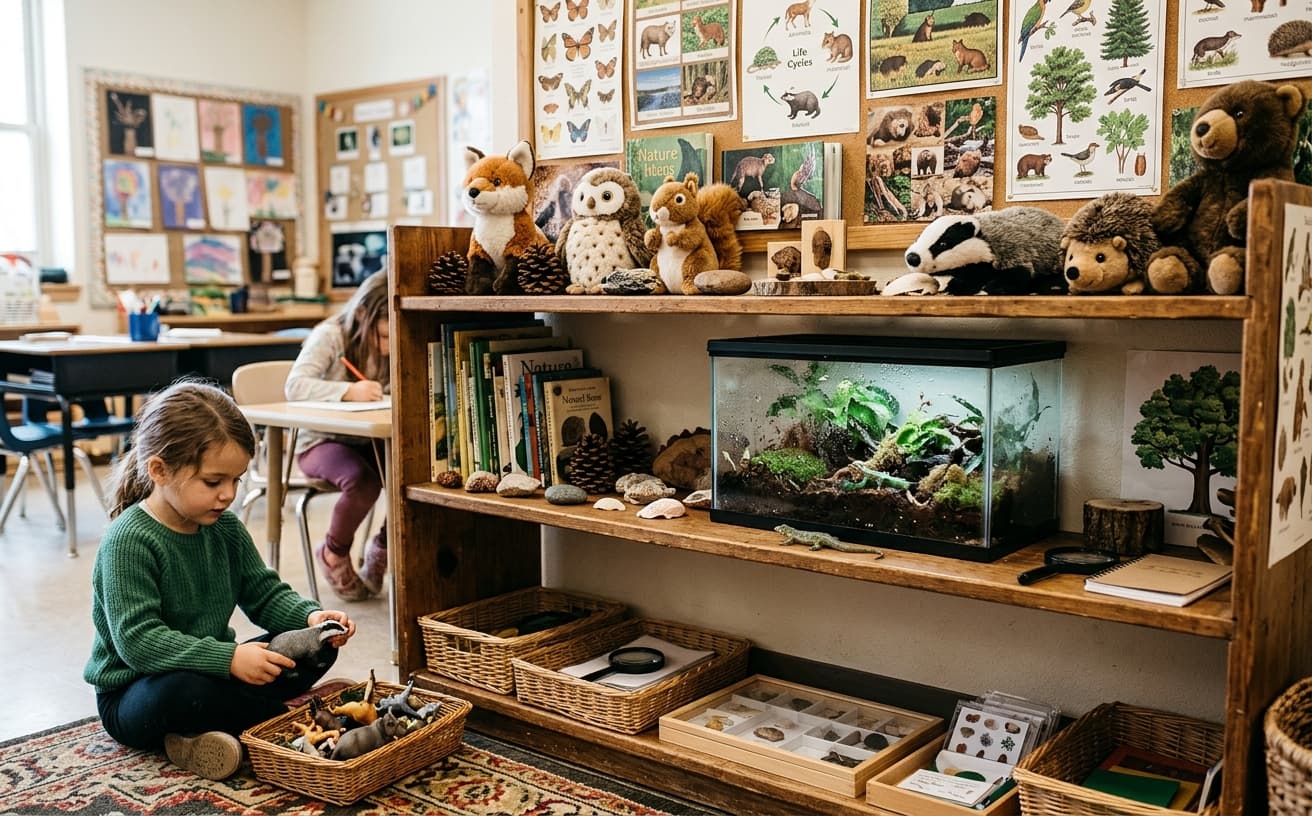
“Children accept spinner outcomes more readily when the process is visible — the spin matters as much as the result.”
Combine with the president wheel
Teaching both civics and life science this term? Link prompts across topic wheels — compare biomes during the Industrial Revolution, or invent a mascot for a historical campaign.
Open the US president picker →Build your own spinner wheel
Paste any list, import a class roster, save history, and share a link — free on the Name Spinner homepage. No account required.
Open full Name Spinner →Related guides
Gemstone Picker Wheel — Earth Science
Spin a random gemstone for geology units, jewelry design prompts, and museum field trips. Diamond, ruby, amethyst, and more — ten stones ready to spin.
In-page spinner

By Name Spinner
Metal Picker Wheel — Materials Science
Spin a random metal for chemistry labs, shop class, and materials units. Gold, steel, titanium, and more — ten metals ready to spin.
In-page spinner
By Name Spinner
Weather Condition Picker — Science Class
Spin a random weather condition for meteorology units, journal prompts, and morning meetings. Sunny, stormy, humid, and more — ten conditions ready to spin.
In-page spinner
By Name Spinner
Renewable Energy Picker — STEM Lesson
Spin a random renewable energy source for science units and Earth Day projects. Solar, wind, hydro, and more — ten sources ready to spin in class.
In-page spinner
By Name Spinner