
Name Spinner
- Spin for a Dinosaur
Random Dinosaur Picker — Spin the Wheel
Pick a random dinosaur with a free spinner wheel. Museum sketch prompts, Mesozoic era lessons, and paleontology games — ten species ready to spin today.
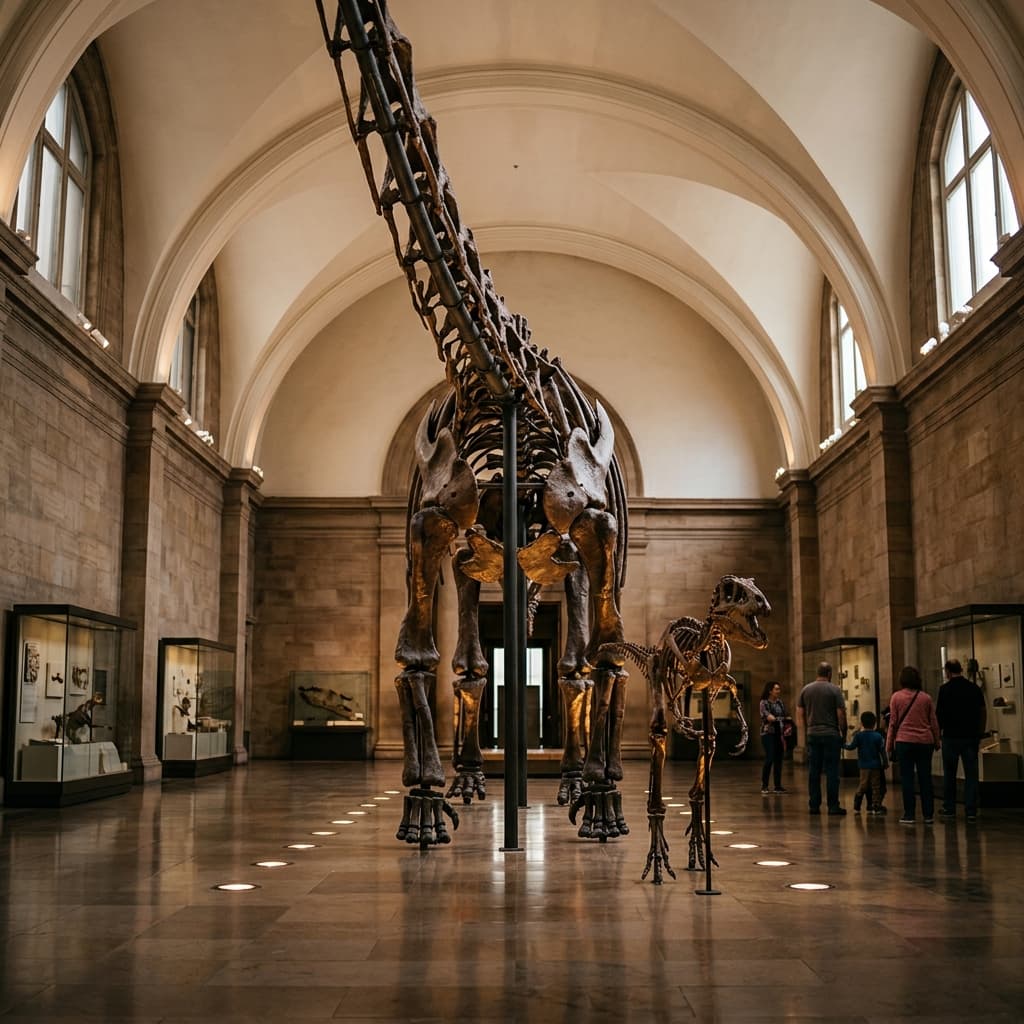
Museum energy without leaving the classroom
Field trips to natural-history museums leave kids buzzing about fossil halls and skeleton mounts, but back in the classroom it is easy to default to the same three favorites — T. rex, Triceratops, Stegosaurus — while ten other Mesozoic stars wait in the shadows. A random dinosaur picker spreads attention across the whole embed list: armored Ankylosaurus, sail-backed Spinosaurus, crested Parasaurolophus, and more. Pair with the random planet picker when comparing extinction timelines to astronomical scale. Spin once at the bell and you have a sketch subject, a research card, or a debate motion before anyone opens a textbook.
Paleontology units benefit from era awareness as much as from species trivia. After each spin, assign students to place the dinosaur in the Triassic, Jurassic, or Cretaceous using evidence cards you prepare ahead of time. Younger grades can sort into three labeled corners of the room; older grades cite fossil dates or continental positions. The wheel picks the species; your timeline supplies the context. Repeat spins across a unit until every name on the wheel has been claimed at least once — a visible progress tracker on the wall makes that goal tangible.
Fossil sketching sessions gain structure when the subject is random. Give five minutes: spin, observe a reference image, sketch the silhouette without labels, then swap papers and guess the dinosaur from shape alone. Emphasize posture, tail balance, and crest shapes rather than perfect shading. Museum educators use the same trick in galleries; you replicate it with printed plates or projector slides. Add a literacy layer by requiring one sentence of scientific vocabulary — herbivore, predator, fossil, sediment — tied to the spun result.
Family nights and summer camps love dinosaur wheels because the activity scales from toddlers acting out stomps to teens writing counterfactual essays: What if this species survived the K–Pg boundary? Keep facts straight — Pterodactyl is often called a dinosaur in pop culture but belongs to a different group of flying reptiles; use that spin as a teachable taxonomy moment rather than a gotcha. Honesty about science builds trust faster than simplifying everything into one bucket labeled "dinosaur."
Museum gift-shop energy without the bus fee: print silhouette cards matching each wheel species and hide them around the room before students arrive. After the spin, timed scavenger hunt for the matching card, then read the fact on the back aloud. Libraries duplicate the pattern with dinosaur nonfiction call numbers — spin, then race to locate the shelf marker for that species using the catalog. Engagement rises because movement replaces passive listening, and every child sees a different species over multiple visits rather than crowding the same T. rex display poster every time.
Mesozoic era sorting guide
- Triassic — early dinosaurs, smaller ecosystems, Pangaea still largely united
- Jurassic — iconic giants like Brachiosaurus and Stegosaurus flourish
- Cretaceous — Tyrannosaurus Rex, Triceratops, Spinosaurus; ends with mass extinction
- Teaching tip — keep era cards color-coded so sorts take seconds after each spin
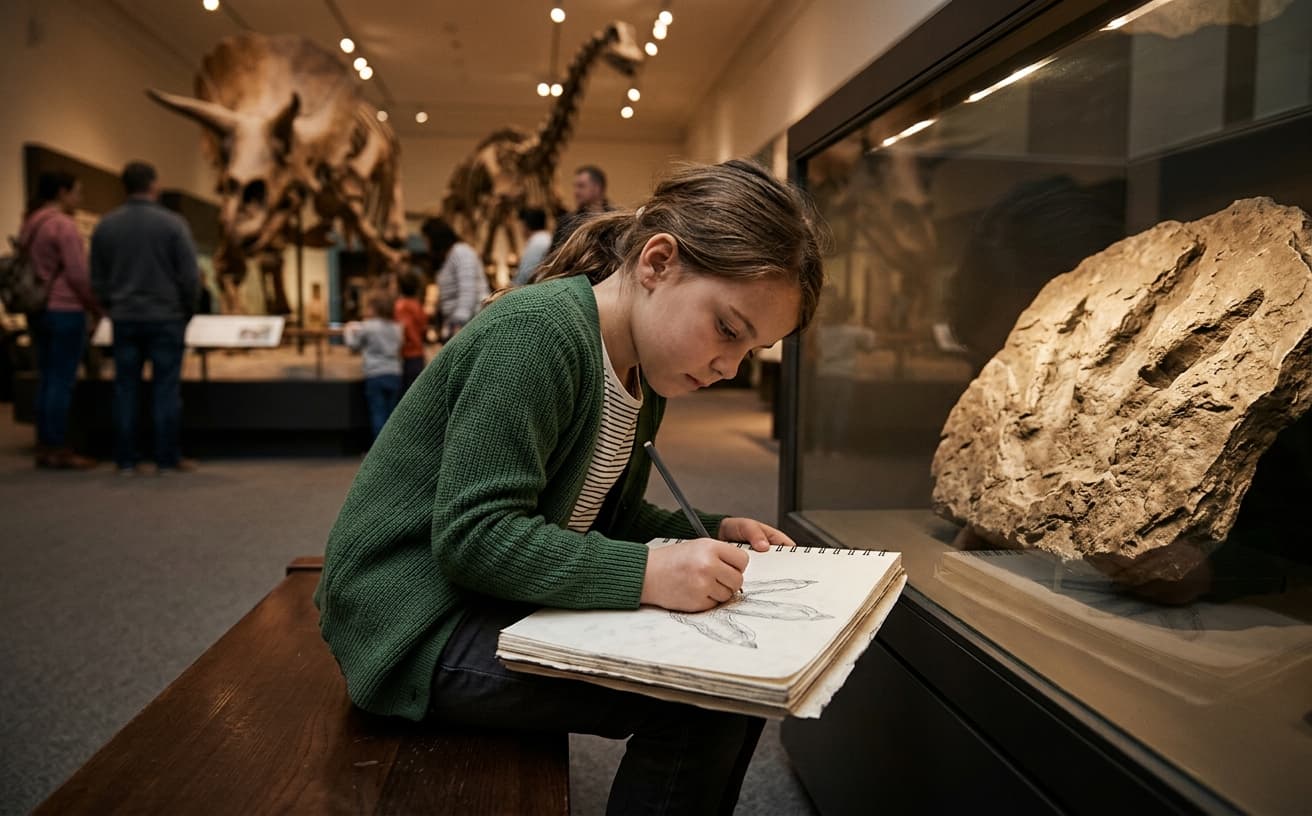
Sketch prompts and fossil literacy
- Blind contour sketch: Students look at a reference of the spun dinosaur and draw without lifting pencil — messy lines welcome.
- Scale sketch: Add a human silhouette for size comparison; discuss which dinosaurs were taller than a house versus dog-sized juveniles in popular media.
- Bone map: Provide a simplified skeleton diagram; label three bones students must locate on the sketch. These tasks take ten to fifteen minutes and substitute well for worksheet packets on low-energy afternoons.
- Museum vocabulary before you visit: Spin at school, assign one exhibit keyword — cast, holotype, excavation — and ask students to find an example on the trip.
- Reluctant artists: Allow collage from torn paper if freehand anxiety stalls the room; the constraint is still the spun species.
- Assessment: Oral defense — student explains one adaptation of the dinosaur they spun on review day without reading from notes.
Probability sidebar for STEM clubs: ten equal slots mean Velociraptor is not "due" after five Triceratops hits. Track twenty spins on a chart and compare results to the expected two hits per species — introductory statistics disguised as dino fever. Document a no-repeat-until-clear rule if you want every species covered before duplicates; cross names off a poster as they win.
When your district scope includes marine reptiles or early mammals, paste an expanded list on the Name Spinner homepage and share the spin link with co-teachers. Custom lists preserve the same fair mechanics while matching your exact standards packet.
| Species | Sketch or research prompt |
|---|---|
| Stegosaurus | Label plates and spikes; guess their function |
| Velociraptor | Compare movie size to fossil evidence |
| Ankylosaurus | Draw armor as protection against which predator? |
| Parasaurolophus | Hypothesize what the crest might do |
Handling pop culture and rigorous science
Jurassic-era films shaped how a generation imagines dinosaur skin, sounds, and speed. Use spins to fact-check one movie scene against a short article — feathers on raptors, Spinosaurus ecology, herd behavior in sauropods. Students enjoy correcting Hollywood when the random species appears on screen that week. Keep tone curious, not smug; filmmakers trade accuracy for story beats, and that is worth discussing in media-literacy terms too.
Accessibility and group management
Read each spin aloud for pre-readers; pair pictogram cards with wheel labels. If two students share a spin result, assign complementary roles — illustrator and narrator — so collaboration replaces competition. One re-spin token per unit can help when a child wanted a "scary" predator and landed on a long-neck herbivore; otherwise stand by the visible spin so fairness stays communal.
- Quiet finishers: Diorama box with clay for the spun species.
- PE crossover: Dinosaur locomotion relays — two-legged vs four-legged gaits based on the spin.
- Library tie-in: Checkout a nonfiction title matching the dinosaur before the next class; spin again if your shelf lacks that exact species and treat gaps as collection feedback. Cross-link with the random animal picker for living analogs or the random ocean creature picker when comparing marine reptiles to true dinosaurs.
- Cross-grade mentorship: Fifth graders spin for kindergarten buddies, then co-illustrate a fact card the younger student takes home.
- Digital option: Use tablet drawing apps with layered templates — body, crest, tail — so fine motor differences do not block participation.
- Data literacy: Graph class spin results over thirty days; compare to uniform expectation and discuss sample size the same way ecologists discuss incomplete fossil records.
- Parent communication: One sentence in weekly newsletters — "We spun Ankylosaurus today; ask your child about tail clubs" — extends learning without homework battles.
- Substitute plans: Leave spin instructions and photo folder on desktop; any adult can run fossil sketching with minimal prep.
- Standardized test season relief: Ten-minute spin-and-sketch brain breaks between long testing blocks keep morale up without abandoning science identity entirely.
- Gifted enrichment: Compare spun dinosaur to a living animal analog — Ankylosaurus armor versus armadillo — and write a Venn diagram with at least five factual bullets per side.
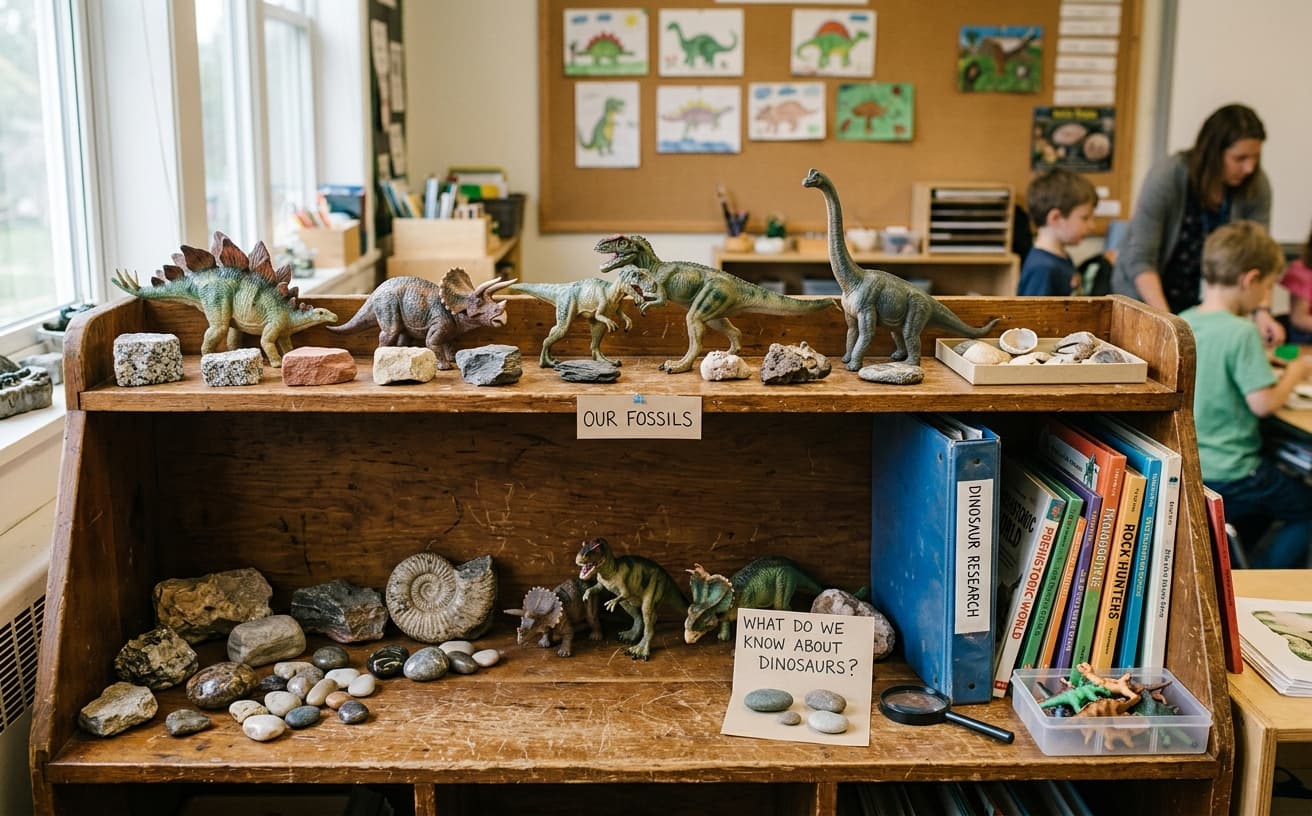
“Random species selection pushes students past the poster-wall trilogy — T. rex, Triceratops, Stegosaurus — and into the wider Mesozoic roster museums actually display.”
Build a fossil-site wheel
Paste famous dig sites or local geology stops — spin for where your imaginary expedition deploys after the species is chosen.
Create a custom dig-site list →Build your own spinner wheel
Paste any list, import a class roster, save history, and share a link — free on the Name Spinner homepage. No account required.
Open full Name Spinner →Related guides
Gemstone Picker Wheel — Earth Science
Spin a random gemstone for geology units, jewelry design prompts, and museum field trips. Diamond, ruby, amethyst, and more — ten stones ready to spin.
In-page spinner

By Name Spinner
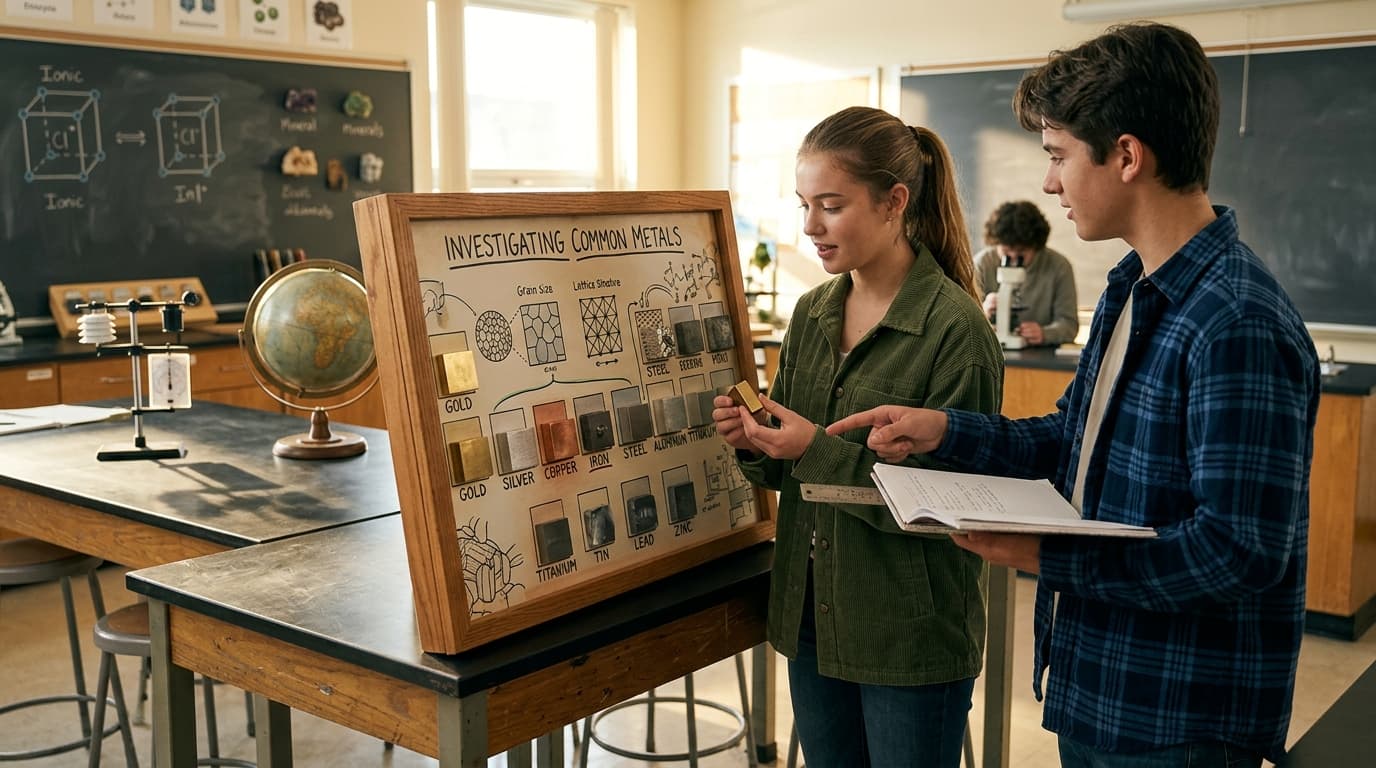
Metal Picker Wheel — Materials Science
Spin a random metal for chemistry labs, shop class, and materials units. Gold, steel, titanium, and more — ten metals ready to spin.
In-page spinner
By Name Spinner
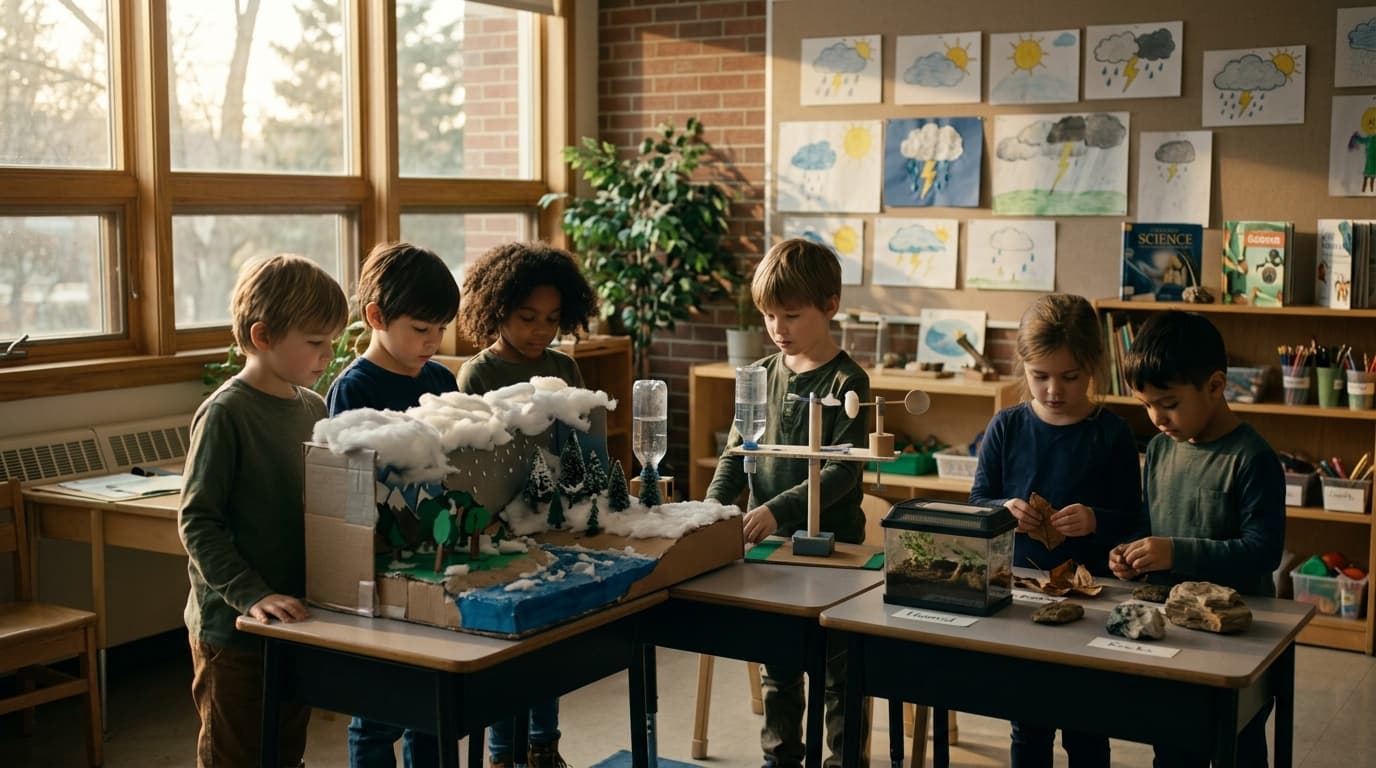
Weather Condition Picker — Science Class
Spin a random weather condition for meteorology units, journal prompts, and morning meetings. Sunny, stormy, humid, and more — ten conditions ready to spin.
In-page spinner
By Name Spinner
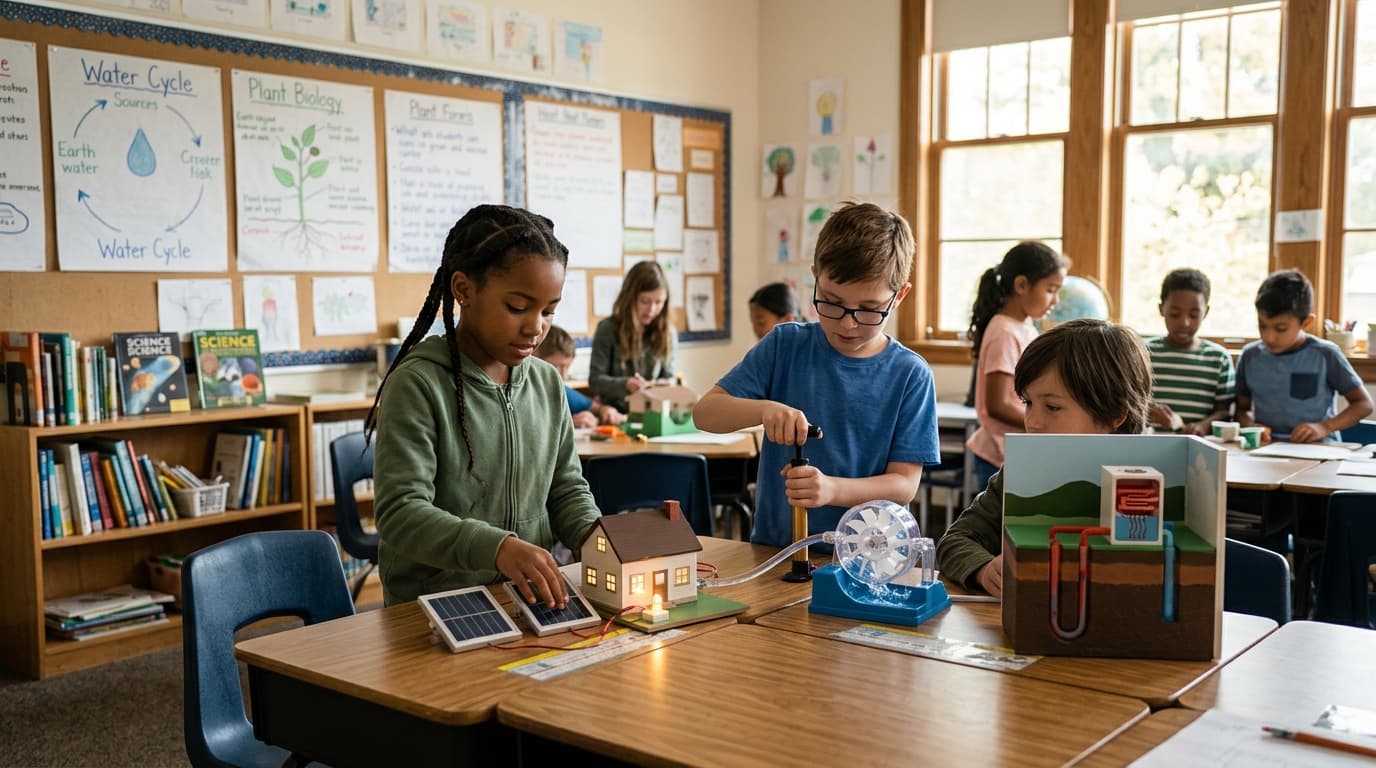
Renewable Energy Picker — STEM Lesson
Spin a random renewable energy source for science units and Earth Day projects. Solar, wind, hydro, and more — ten sources ready to spin in class.
In-page spinner
By Name Spinner