
Name Spinner
- Spin for a Vegetable
Random Vegetable Picker — Spin the Wheel
Pick a random vegetable with a free spinner wheel. Nutrition lessons, recipe invention labs, and farmers market literacy — ten veggies ready to spin now.
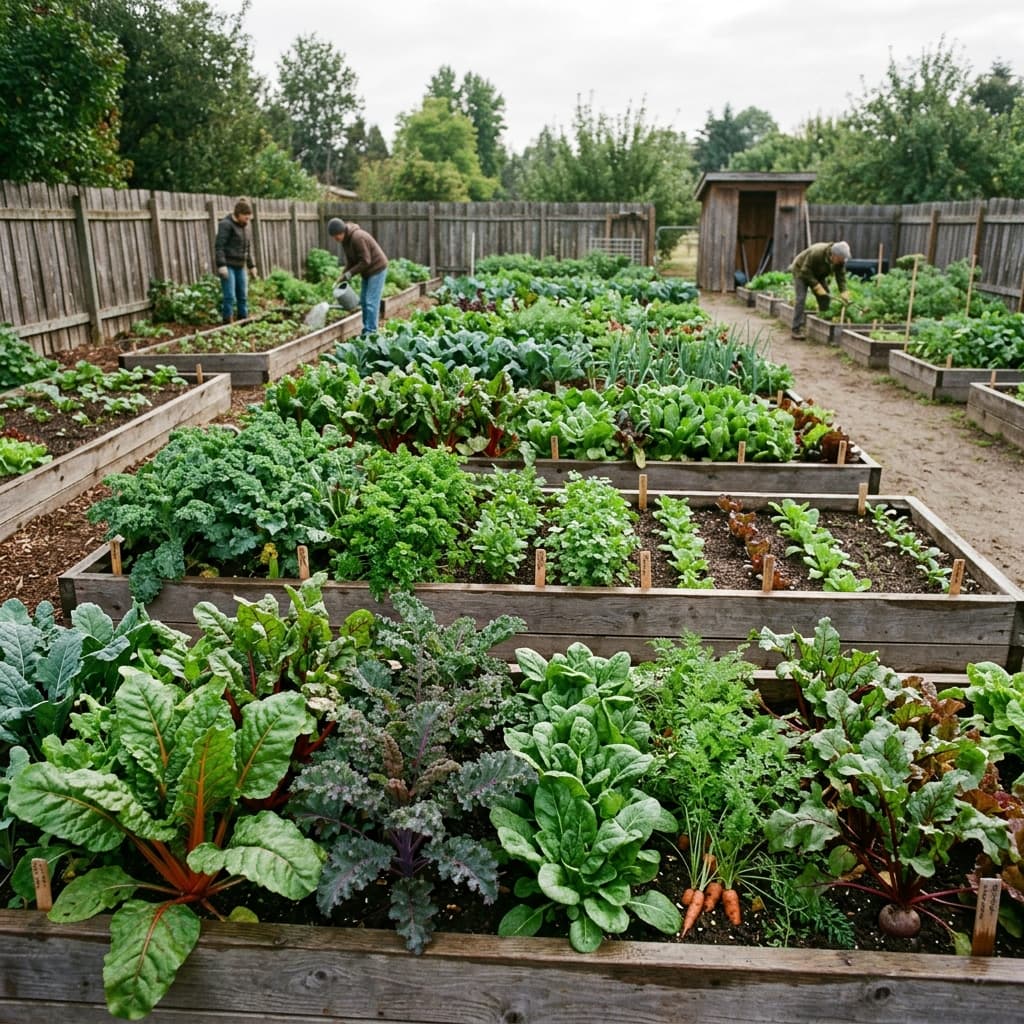
From nutrition posters to kitchen experiments
Nutrition units often parade the same advice — eat the rainbow, fill half your plate — without giving students a personal stake in which color shows up tonight. A random vegetable picker turns abstract guidelines into tonight's constraint: broccoli, bell pepper, sweet potato, or zucchini selected in one fair spin. Pair dinner decisions with the what to eat spinner when the whole meal — not just the side — needs a visible ritual. Families see the result together; picky eaters argue less when the wheel chose, not Mom. Classrooms use the same psychology for recipe invention labs where groups must incorporate the spun vegetable into a snack they can assemble in twenty minutes without a full stove.
This wheel lists ten widely available vegetables spanning cruciferous, root, and salad staples. Each name occupies one equal slot — asparagus is as likely as carrot on any spin. Teach farmers market literacy by sending students home with a spin result and a scavenger hunt: find the vegetable fresh, note price per pound, compare to frozen or canned aisle, photograph the farm sign if vendors label origin. Middle-schoolers practicing unit rates get real data; elementary students practice color and shape identification in the produce section.
Health teachers link spins to macro themes without shaming bodies: spinach spin → iron and leafy greens; sweet potato → complex carbs and vitamin A. Keep language neutral — "this vegetable offers" rather than "good food vs bad food." Adaptive labs account for allergies by maintaining a teacher-approved swap list posted before spinning; random choice never overrides medical plans. Document swaps on the board when spin conflicts with a class restriction so everyone sees equity in action.
Garden clubs and FCS rooms spin for planting charts — which seed starts this week, which bed gets the experimental trellis. Cross-curricular ties abound: geography of origin, Spanish vocabulary for vegetable names, art still-life drawing of the spun subject. When seasons change, paste local harvest lists onto the Name Spinner homepage so autumn spins feature squash varieties while spring spins favor peas and radishes from your region.
Cafeteria partnerships: When school lunch features a vegetable of the month, spin among related options — broccoli spin week might compare steamed versus roasted in taste tests with graphing results. Community supported agriculture boxes become homework prompts: spin at school Friday, predict whether the farm share will include that vegetable Sunday, photograph proof, discuss seasonal availability honestly when predictions fail. Failures teach crop calendars better than always being right.
Recipe invention lab sequence
- Minute zero: Spin and display the vegetable with a photo for visual learners.
- Minutes one to five: Teams brainstorm three preparation methods — raw, roasted, steamed — and pick one feasible in your facility.
- Minutes six to fifteen: Prep with teacher-supervised knife rules or pre-cut kits.
- Minutes sixteen to twenty: Plate a bite-size sample and describe texture in one adjective.
- Debrief: Which cooking method changed flavor most? No grades for gourmet quality — grade process notes and safe handling checklists.
- Farmers market field trip: Spin before boarding the bus; each student seeks recipe cards or farmer quotes about that vegetable.
- Budget math: Given five dollars, can you buy enough of the spun vegetable for the class sample?
- Compost tie-in: Scraps from lab feed classroom compost discussion — full cycle from spin to soil.
Home extension: Family spins for dinner side dish; student journals one sentence about whether they would spin again. Reluctant cooks engage when the constraint is silly-specific — "we must use cauliflower" — rather than "help with dinner" vagueness.
Probability note: ten equal segments mean repeats cluster in short home trials. Track family spins for a week and compare to expected distribution — gentle intro to statistics over dinner.
- Food desert awareness: When farmers market tasks are impossible for some families, spin still works with grocery photos from teacher-curated albums — equity means alternate paths, not canceling the activity.
- Recipe cards: Students design half-page recipe for spun vegetable; compile into class cookbook PDF shared with families at conferences.
- Measurement conversion: Double or halve a sample recipe for the spun vegetable — practical fractions without abstract worksheets alone.
- label: "Leafy & green" value: 30 - label: "Root & starchy" value: 30 - label: "Other produce" value: 40
| Vegetable | Farmers market prompt |
|---|---|
| Carrot | Compare bunch price vs bagged carrots at grocery |
| Bell Pepper | Note three color variants and whether price differs |
| Zucchini | Ask vendor peak season for your state |
| Asparagus | Measure spear thickness — tie to tenderness myth-busting |
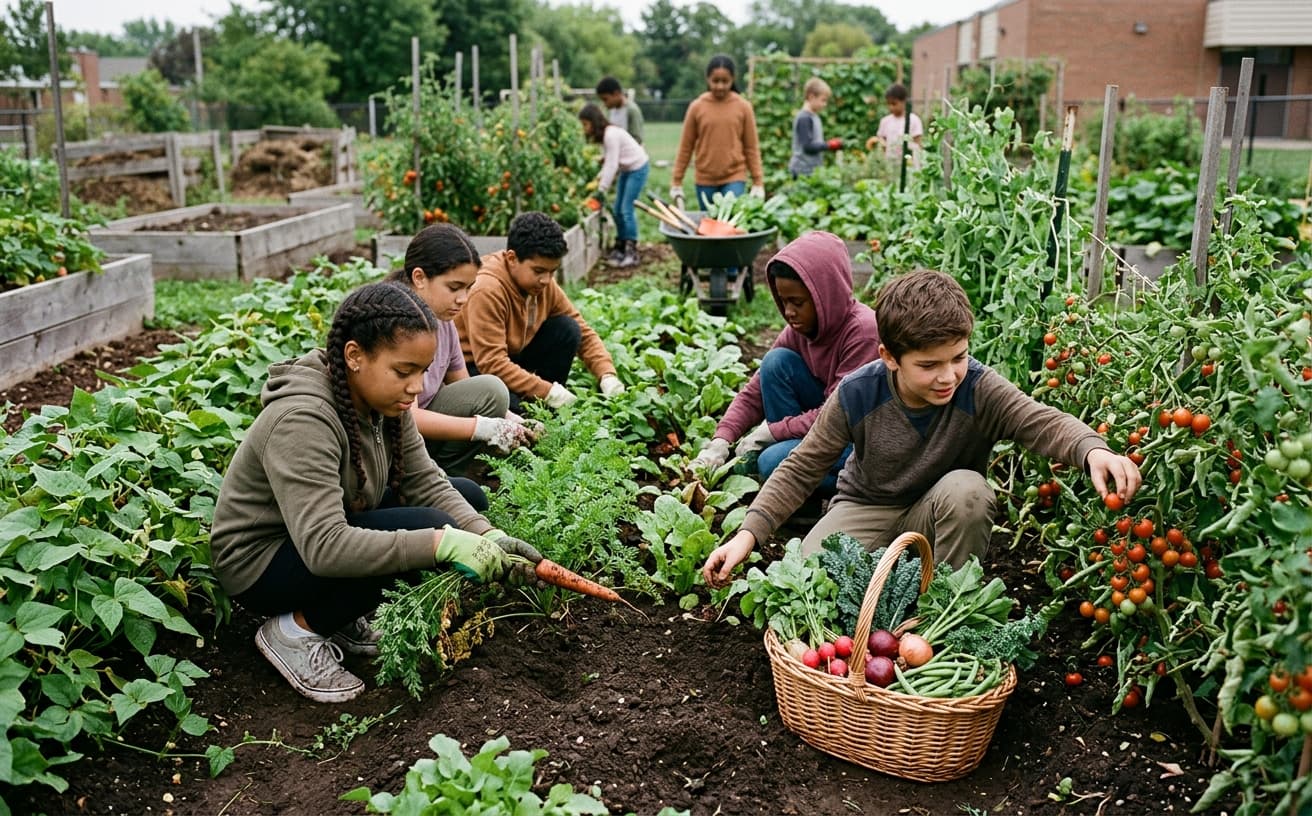
“Kids who refuse 'eat your vegetables' often accept 'the wheel picked broccoli tonight' — visibility of the spin matters as much as the vegetable.”
Pair with the food type wheel
Spin vegetable first, then spin a meal category — build a full plate concept before students write a one-day menu plan.
Open the random food picker →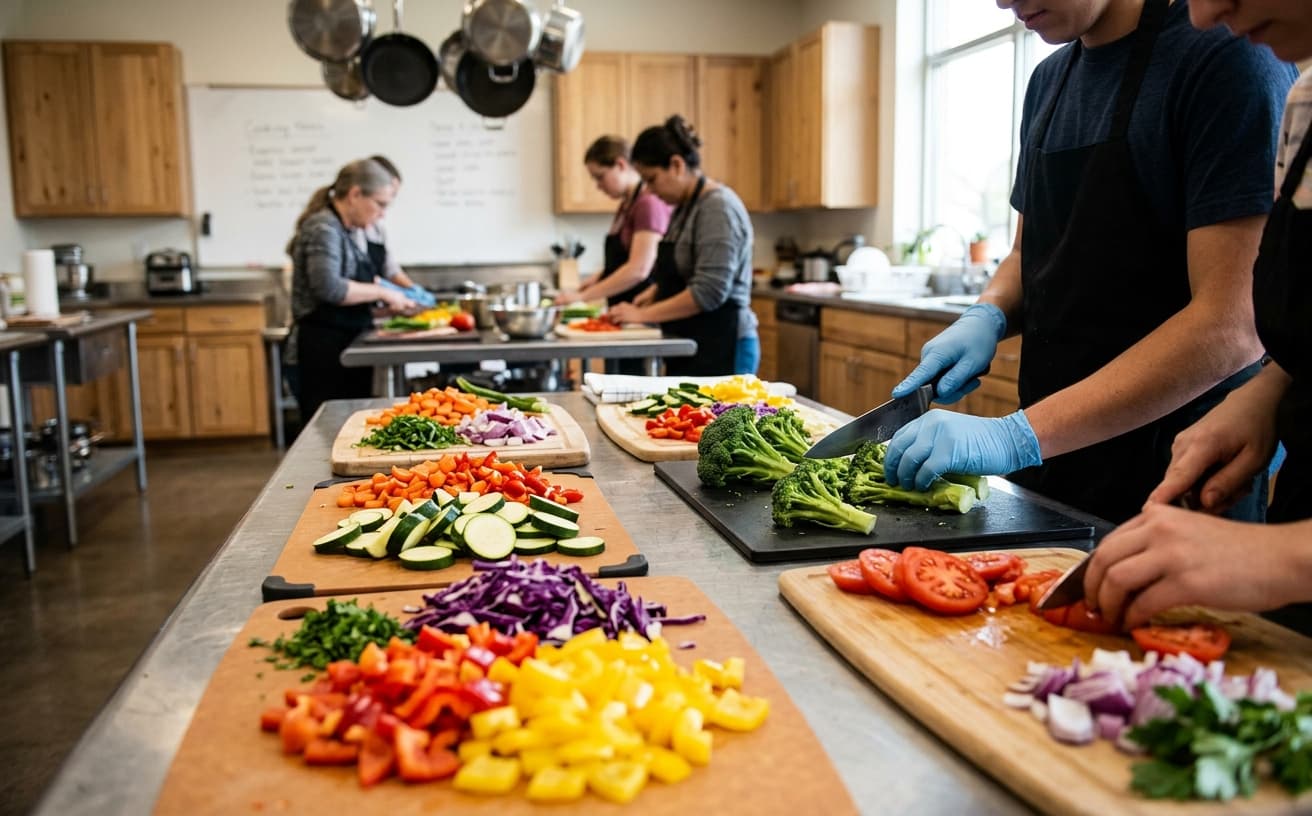
Allergies, culture, and respectful framing
Never spin-and-force tasting when IEPs or cultural dietary rules forbid it. Offer observation roles — student documents prep photos instead of eating. Discuss how vegetables anchor cuisines worldwide: okra in gumbo, peppers in sofrito, greens in Southern tables — spin is starting point for cultural research presentations, not a lecture on universal American side dishes. Sweet contrast days can spin the random ice cream flavor picker after vegetables when you teach balance, not restriction — or use the random food picker for broader meal categories.
Storage and shelf-life mini-lessons
After spin, teach one storage fact — carrots in sand bins historically, greens in damp towels in modern fridges.
- Science tie: starch conversion in potatoes stored cold versus warm.
- Waste reduction: plan lab portions so the whole class does not buy ten cucumbers when one demo suffices.
- Assessment rubric sample: safe knife grip, cleaned station, one complete sentence linking vegetable to a vitamin or mineral, respectful tasting or documented opt-out.
- Extension for gifted: redesign the wheel with regional heirloom varieties and cite seed catalogs.
Custom lists on the homepage support classroom gardens — paste what you actually grow, spin for weekly watering focus, share link with volunteers.
- Standards alignment: NGSS and health standards both welcome observation-based nutrition without calorie obsession — spin prompts descriptive language about texture and color instead of moralizing food.
- Peer teaching: Fifth graders spin for kindergarten taste-test buddies, practicing clear instructions and hand-washing demos before samples arrive.
- Reflection journals: One paragraph weekly — "Would I spin again for this vegetable at home?" — collects actionable feedback for family engagement coordinators.
- Seasonal spin calendars: Autumn emphasize root vegetables on custom homepage lists; spring emphasize greens — align spins with when produce actually appears in your region so market tasks succeed.
- Volunteer gardeners: Parent volunteers spin to choose which bed gets weeded first during Saturday work parties — low-stakes decision tool builds community humor.
Build your own spinner wheel
Paste any list, import a class roster, save history, and share a link — free on the Name Spinner homepage. No account required.
Open full Name Spinner →Related guides
Cooking Method Picker Wheel — Kitchen & Class
Spin a random cooking method for dinner labs, home-ec units, and recipe challenges. Baking, grilling, steaming, and more — ten techniques ready to spin.
In-page spinner

By Name Spinner
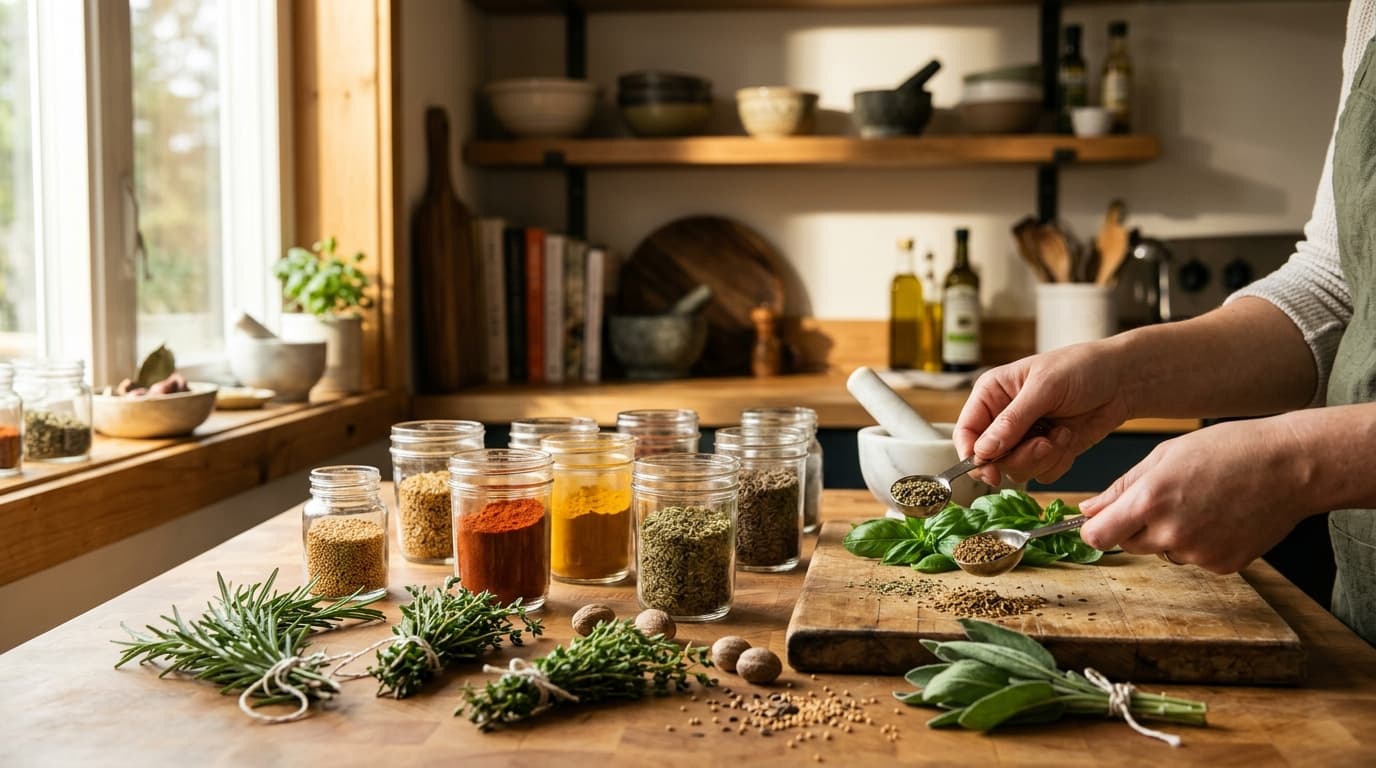
Herb & Spice Picker Wheel — Kitchen & FCS
Spin a random herb or spice for cooking labs, recipe challenges, and pantry games. Basil, cumin, turmeric, and more — ten flavors ready to spin.
In-page spinner
By Name Spinner
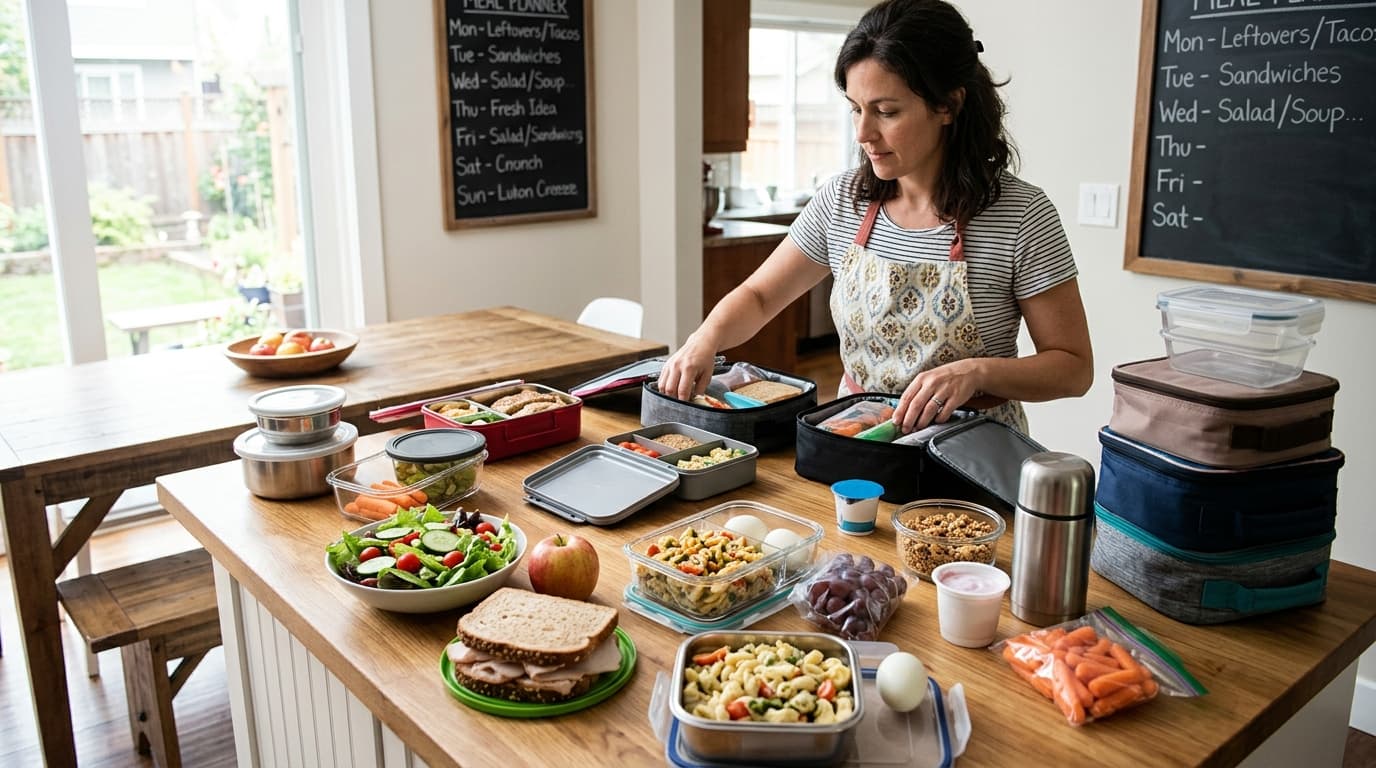
Lunch Options Spinner — School & Work Meal Picker
Pick lunch with a free spinner wheel — ten meal types for school cafeterias, office breaks, and packed-lunch planning. Spin once, eat without debate.
In-page spinner
By Name Spinner
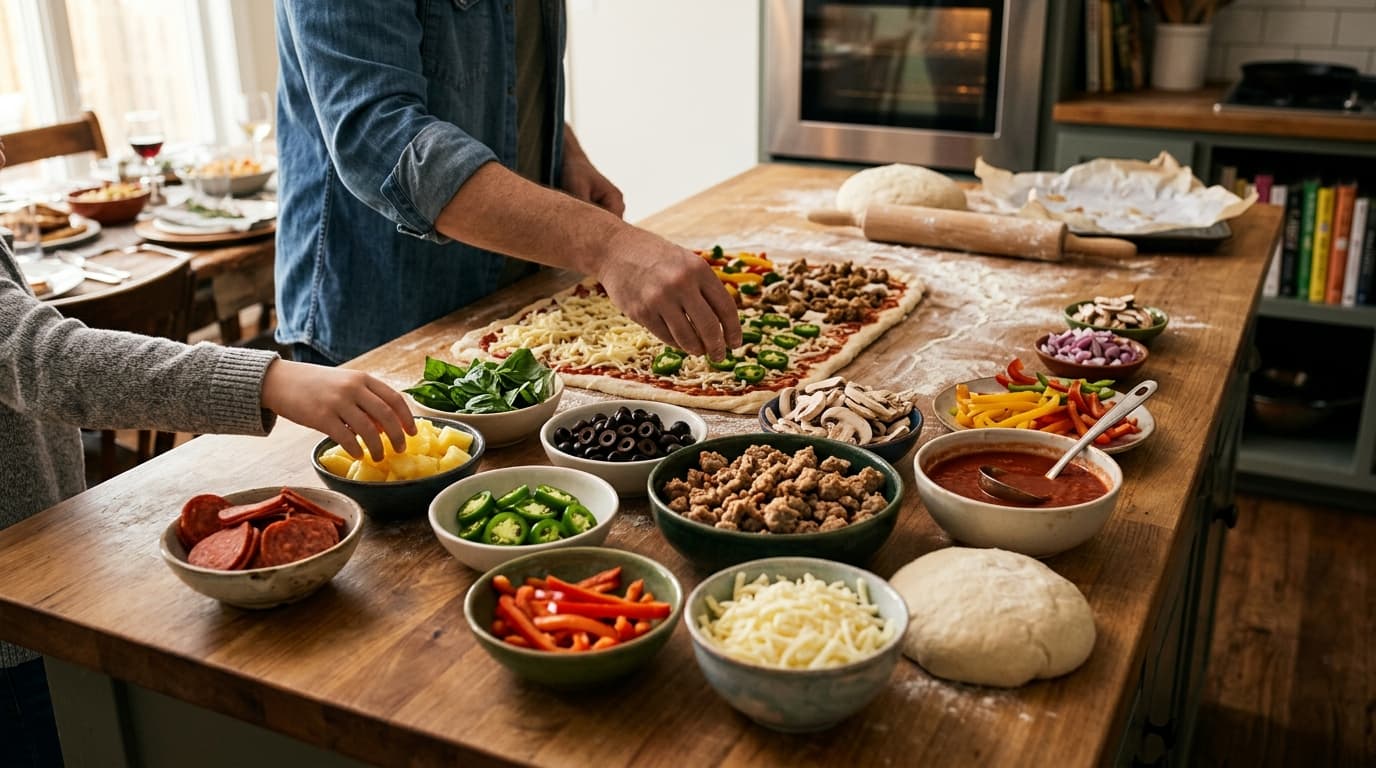
Pizza Topping Wheel — Build Your Pizza Spinner
Spin random pizza toppings with a free wheel — pepperoni, pineapple, jalapeños, and seven more for family pizza night. Customize halves and dietary lists on the homepage.
In-page spinner
By Name Spinner