
Name Spinner
- Spin for a food
Random Food Picker — Spin the Wheel for Meal Ideas
Pick a random food type instantly — pizza, sushi, tacos, and more on a free spinner wheel. Great for games, writing prompts, and meal inspiration.
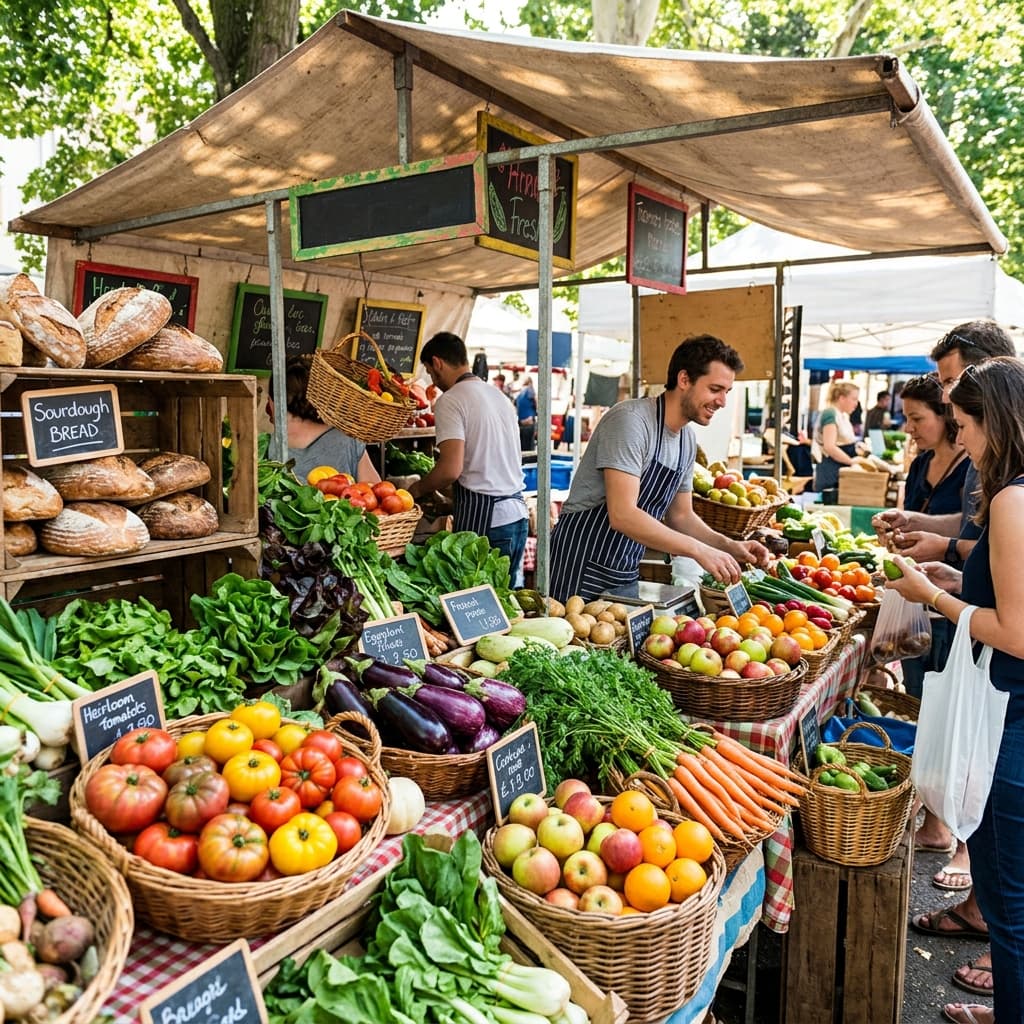
What is a random food picker?
A random food picker assigns a dish category when you need inspiration — party games, nutrition class prompts, creative writing, or "mystery ingredient" challenges. Instead of always defaulting to pizza, you spin once and commit to whatever lands. The constraint is the point: when everyone in the room watches the same animation, the result feels shared rather than someone pushing their favorite takeout spot.
This wheel lists ten broad food types — handheld meals, bowl dishes, and protein-forward plates that map to real weeknight cooking and school cafeteria vocabulary. Spin for a quick prompt, or paste your own menu — restaurants, cuisines, or pantry items — on the Name Spinner homepage. For decision-style "what's for dinner tonight?" with meal-flow rules and roommate negotiation tips, see the what to eat spinner in our Decision pillar.
Nutrition and home economics teachers use food wheels to break recipe ruts. Spin "Soup" and challenge students to identify three vegetables that would thicken a broth without cream. Spin "Salad" and discuss how protein turns a side dish into a meal. The wheel does not teach macronutrients by itself — it supplies the category so your lesson plan has a starting anchor instead of twenty minutes of "pick anything" paralysis.
Creative writing groups spin for sensory detail. A character's first date might hinge on whether the spinner lands on sushi or tacos — different textures, different etiquette, different dialogue opportunities. Younger writers benefit because the random category pushes them past their default "pizza party" scene. Require one smell, one sound, and one texture tied to the spun food before they draft the opening paragraph.
Party and camp games love mystery categories. Spin, then draw or act out the food without naming it. Charades with food types stay age-appropriate across mixed groups because the wheel picks categories, not specific branded products. Remove allergens from the list before spinning in mixed-diet groups — peanut-heavy categories, shellfish themes, or gluten-focused prompts should never surprise a participant mid-game.
Ways to use a food wheel
- Home economics: Spin and plan a balanced plate around the category — grain, vegetable, and protein slots filled to match the landed food.
- Language class: Spin and describe the dish in another language, or research how that food type appears in two countries that share a border.
- Party games: Spin for charades — act out cooking or eating that food without naming it.
- Fitness challenges: Spin for a healthy prep style tied to the category — grilled instead of fried, whole grain wrap instead of white bread.
After-school clubs run "mystery ingredient" weeks: spin Monday for the category, spin Wednesday for a specific ingredient within it, cook Friday. The pacing teaches planning without a rigid menu calendar. Library programs pair the food wheel with cookbooks — spin, then find one recipe in the 641 section that matches. Students learn catalog navigation while the random pick keeps browsing from becoming endless scrolling.
Remove allergens from the list before spinning in mixed-diet groups. Younger kids benefit from picture cards matching wheel labels — a photo of sushi next to the word helps pre-readers commit to the spin result. Remote family calls share screen on the spin so grandparents and grandchildren pick a category together, then each household cooks something in that lane and compares photos at the next call.
- Budget teaching: Spin, then price a meal for four using a grocery flyer screenshot. "Tacos" might mean $12 of ingredients; "Sushi" might mean discussing why fish costs more — math and nutrition in one prompt.
- Seasonal spins: Swap summer categories (salad-heavy) for winter categories (soup-heavy) on a custom homepage list without changing how the wheel works.
Cross-curricular angles
- Geography: Spin, then locate a country where that food type is a national staple. Map pins beat memorizing capitals when lunch is the hook.
- History: Spin "Soup" and discuss wartime ration recipes; spin "Pizza" and trace Italian immigration stories.
- Science: Spin and identify one chemical change during cooking — browning, emulsification, fermentation — tied to the category.
Fairness note: equal slots mean pizza and salad share the same odds every spin. Over one class period you might land on tacos three times — use repeated hits as a probability mini-lesson, not as proof the wheel is broken. Offer one re-spin token per unit only if disappointment blocks participation; otherwise keep the social contract that the visible spin stands.
| Food | Quick prompt |
|---|---|
| Pizza | Name three toppings you'd combine |
| Sushi | Describe nigiri vs roll to a friend |
| Salad | List five ingredients for a hearty bowl |
| Soup | When is soup better than a sandwich? |
| Tacos | Soft vs hard shell — defend your pick |
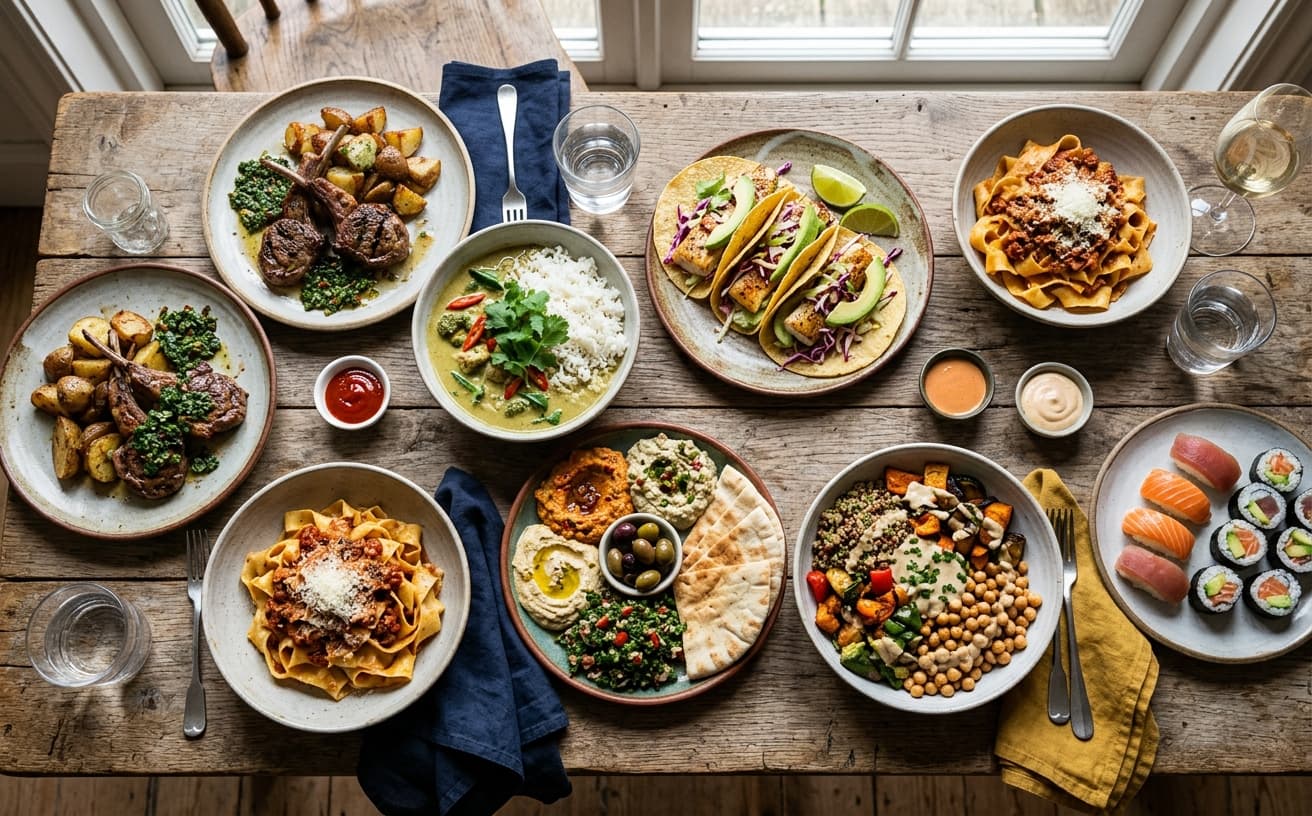
Illustrative example only — slot counts, not nutrition data.
Spin rules for groups
- One spin per round — no infinite re-spins
- Remove foods someone cannot eat before starting
- Pair with country picker for 'cuisine origin' research
- Use homepage list for restaurant names instead of categories
Common questions
Food picker vs what-to-eat spinner? This topic wheel is for lists and prompts — games, lessons, writing, and category exploration. The decision spinner guide focuses on tonight's meal commitment with roommates, budget rules, and delivery-versus-cook tags.
Can I add desserts only? Yes — custom list on the homepage. Duplicate "Ice cream" three times if you want weighted odds toward frozen treats during a birthday party.
Weighted favorites? Duplicate segments on the homepage if you want uneven odds. Keep one slot each when you want true randomness for fairness demos.
Can I combine with other topic wheels? Spin food, then spin random country and research how that category appears in national cuisine. Spin food, then spin random color and plate the dish using only that color family for a design challenge.
Homeschool co-ops report that weekly food spins build vocabulary faster than worksheets — children remember "sushi" because they acted it out, not because they circled it on a multiple-choice test. Keep a wall chart of spin results; when soup wins twice in one month, discuss whether that feels unfair and compare to real grocery habits where repeat meals are normal.
Facilitator tip: Project the spin on a large screen in cafeterias or cooking demos so bystanders see the fairness. Whispered spins invite accusations that someone rigged the result. Transparency is cheap and saves arguments.
Illustrative wheel facts
10
Food types on wheel
Broad categories — customize on homepage
Yes
Equal odds per spin
One segment each unless you edit the list
Dinner decision mode
Trying to pick tonight's meal with friends? Use the decision pillar guide with meal-flow tips.
What to eat spinner →Build your own spinner wheel
Paste any list, import a class roster, save history, and share a link — free on the Name Spinner homepage. No account required.
Open full Name Spinner →Related guides
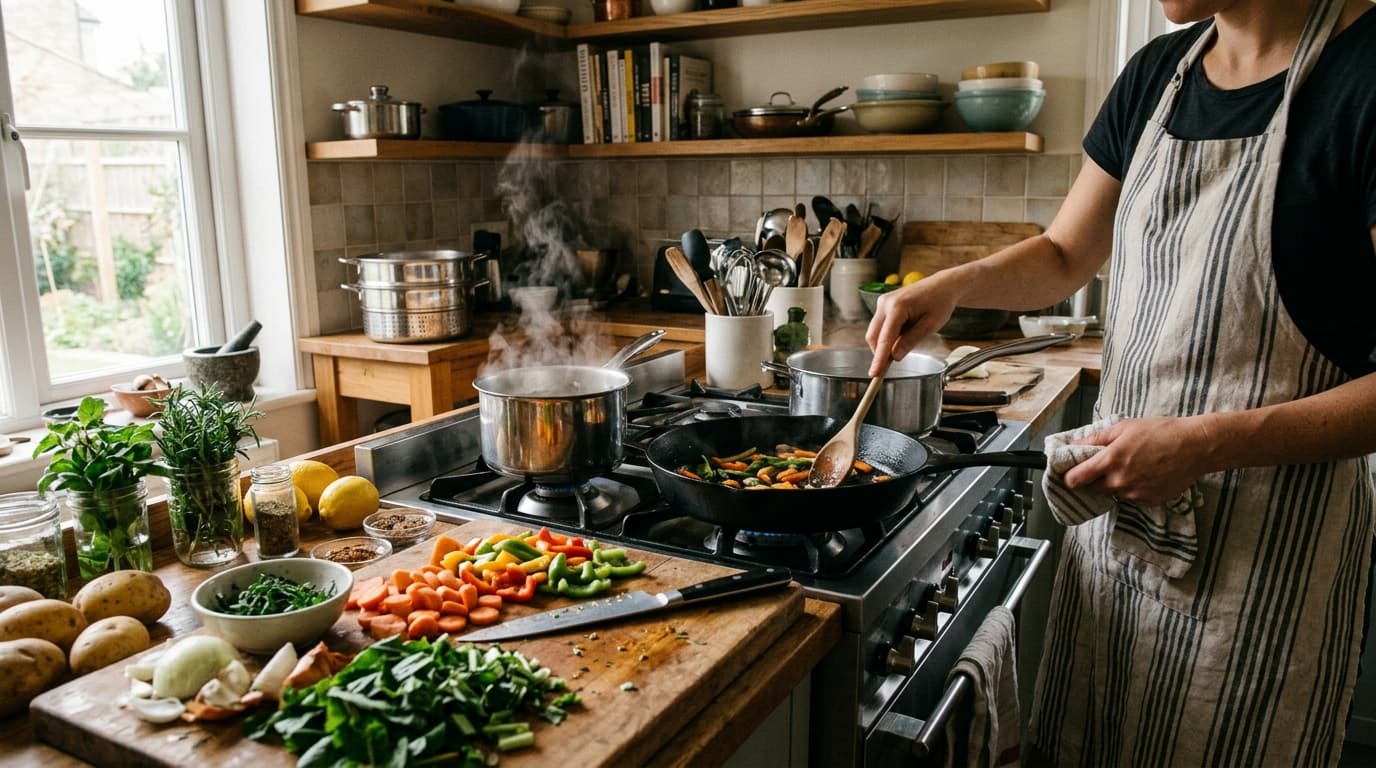
Cooking Method Picker Wheel — Kitchen & Class
Spin a random cooking method for dinner labs, home-ec units, and recipe challenges. Baking, grilling, steaming, and more — ten techniques ready to spin.
In-page spinner

By Name Spinner
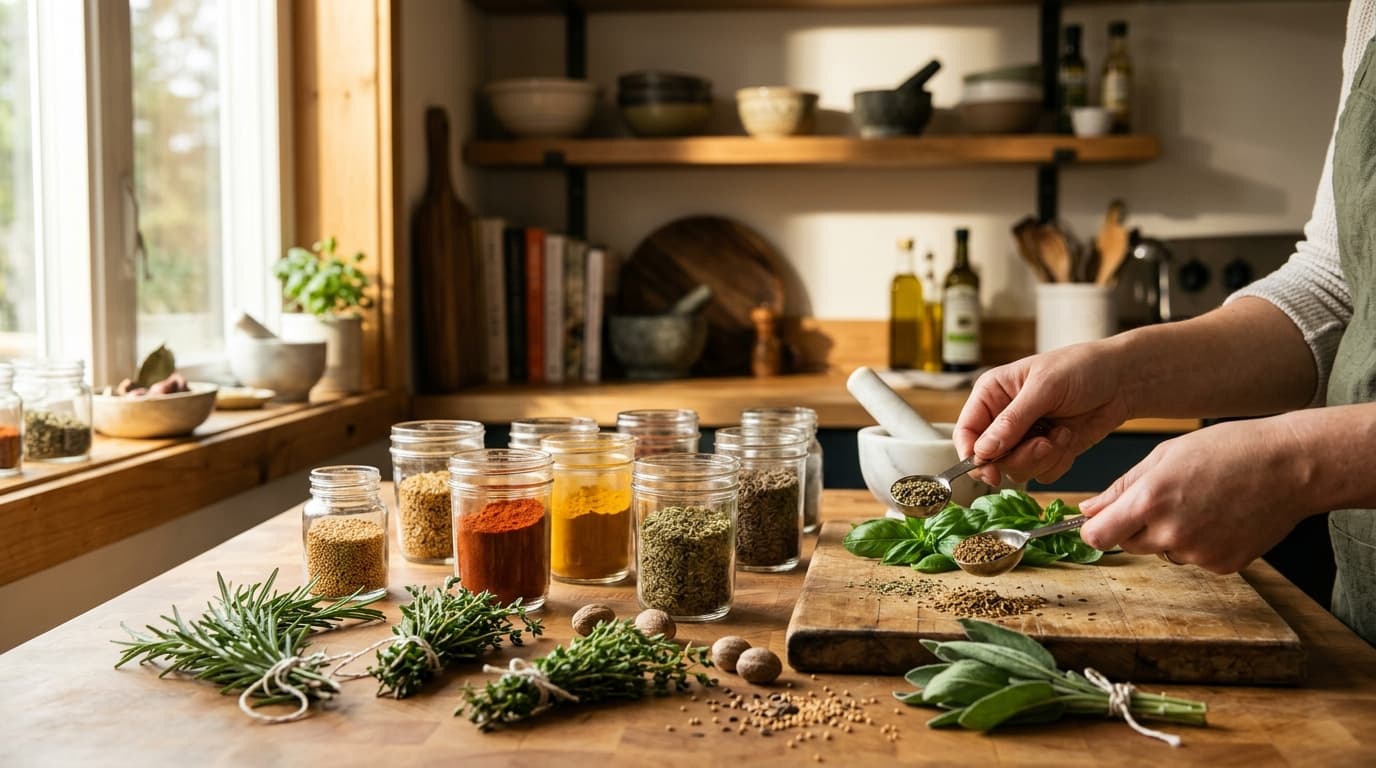
Herb & Spice Picker Wheel — Kitchen & FCS
Spin a random herb or spice for cooking labs, recipe challenges, and pantry games. Basil, cumin, turmeric, and more — ten flavors ready to spin.
In-page spinner
By Name Spinner
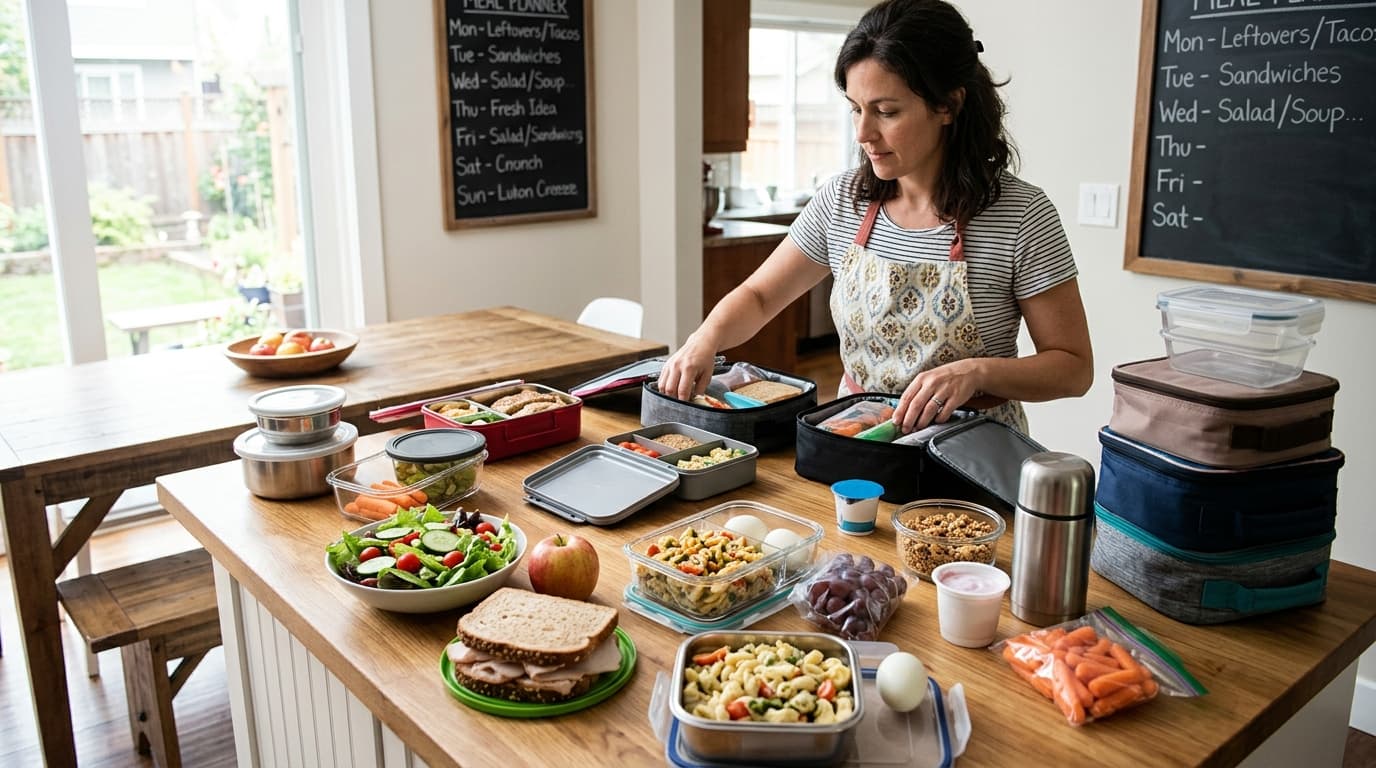
Lunch Options Spinner — School & Work Meal Picker
Pick lunch with a free spinner wheel — ten meal types for school cafeterias, office breaks, and packed-lunch planning. Spin once, eat without debate.
In-page spinner
By Name Spinner
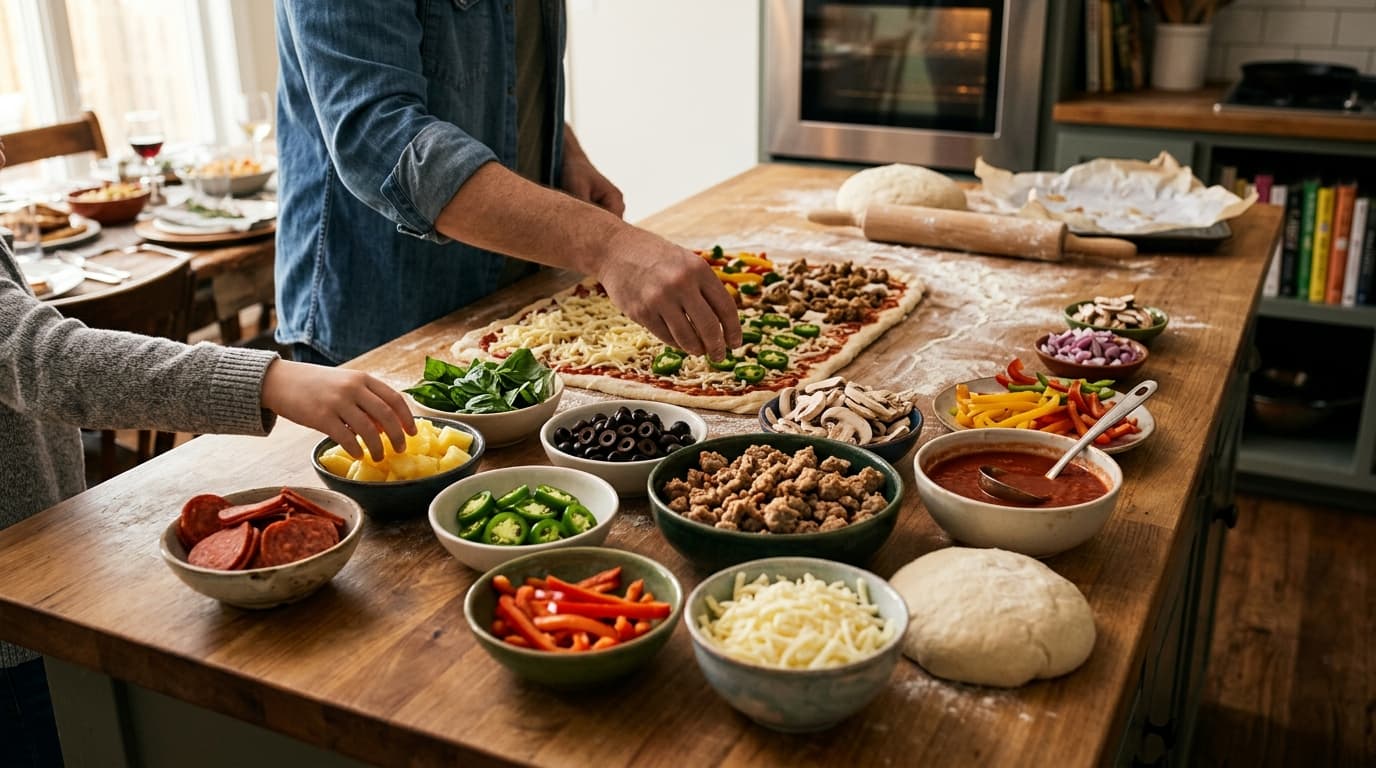
Pizza Topping Wheel — Build Your Pizza Spinner
Spin random pizza toppings with a free wheel — pepperoni, pineapple, jalapeños, and seven more for family pizza night. Customize halves and dietary lists on the homepage.
In-page spinner
By Name Spinner