
Name Spinner
- Spin for a Subject
Random School Subject Picker — Spin Wheel
Pick a random school subject with a free spinner wheel. Study rotations, quiz warm-ups, and homeroom games — ten subjects ready to spin.

What is a random school subject picker?
A random school subject picker chooses an academic area when you need a fair, visible draw — not the same math-and-English rotation students predict before the bell. Use it for homeroom warm-ups, study-hall focus blocks, interdisciplinary project kickoffs, or substitute plans that need a neutral first activity. A wheel spreads attention across ten subjects so Chemistry and Geography share turns with Art and Physical Education.
Study routines often favor whichever subject feels urgent, letting long-term courses slip. This embed loads ten common secondary-school subjects spanning STEM, humanities, arts, and movement. Spin once for a five-minute review prompt, or run several rounds with a no-repeat chart until every subject gets a student mini-presentation. Pair with the random programming language picker when STEM club connects coding to coursework, or the quiz team picker when subject spins precede team formation.
A wheel beats "pick a subject out of a hat" because everyone watches the spin. That shared ritual reduces suspicion that the teacher steers toward favorites. Paste AP course lists, elementary specialty rotations, or homeschool co-op schedules on the Name Spinner homepage when ten segments are too few for your timetable.
Spins assign practice focus, not grades — announce that boundary before homeroom uses the wheel for the first time.
Ways to use a school subject wheel
- Homeroom warm-ups: Spin, then share one fact learned yesterday in that subject — retrieval practice across the schedule.
- Study hall: Spin when students claim they forgot what to work on; the wheel picks the folder to open first, not the only task allowed all period.
- Interdisciplinary projects: Spin twice — two subjects — and design a mini-project bridging both. History plus Art might produce propaganda poster analysis; Biology plus English might produce nature essay drafts.
- Substitute plans: Leave spin instructions with vocabulary cards per subject; subs run self-contained openings without guessing your pacing calendar.
- Team formation: Spin subject, then spin presentation order within subject groups for fair speaking slots during expo week.
- Reward days: Connect to classroom reward picker logic — earn a spin that picks which review game runs last period.
- Intervention blocks: Tutors spin subject to open thirty-minute focus — math folder first when Math lands, even if student arrived claiming they only have English homework.
- Grade-level teams: Post one shared spin link in the staff lounge so parallel periods run identical warm-ups during department review week.
- Parent nights: Demonstrate the wheel as a homework-routine tool families can mirror at home with homepage custom lists matching each child's actual courses.
- Counseling check-ins: Spin as a neutral conversation starter — "what's going well in the subject that landed?" — not as tracking surveillance.
Agree on repeat rules before you start. Cross off subjects on chart paper during review week until every area gets a five-minute whole-class recap. Remote learners see the same spin on shared screen before breakout rooms open.
- PE crossover: When Physical Education lands, assign two-minute movement breaks rather than desk work — honor the subject's nature.
- Music and Art: Keep supplies ready when those segments appear frequently in your customized homepage copy.
Subject groups on this wheel
- STEM core — Math, Science, Chemistry, Biology
- Humanities — English, History, Geography
- Arts & movement — Art, Music, Physical Education
- Lab sciences — Chemistry, Biology as distinct spins
- Literacy anchor — English as cross-curricular writing hub
Illustrative review-week rotation
Monday
Math + English spins — open review week with highest-frequency subjects.
Tuesday
Science cluster — Science, Chemistry, Biology with three related prompts.
Wednesday
Humanities — History and Geography map and source skills.
Thursday
Arts & PE — movement and creative retrieval stations.
Friday
Wildcard re-spin — any subject still missing from the chart gets priority.
Cross-curricular prompts that stick
- Writing across subjects: Spin Geography, write three sentences using map vocabulary; spin Music, describe rhythm without naming a song title.
- Data literacy: Spin Math, interpret one graph from any other subject's textbook page — cross-page exercise builds transfer.
Career connection: Spin subject, then name one job that uses that discipline daily — nurse for Biology, urban planner for Geography. Link to programming language spins when CS careers appear in the discussion organically.
Fairness and scope
Every subject has equal odds each spin. Your school's period count does not change segment sizes — if Math meets twice daily, that is a scheduling fact separate from spin mechanics. Customize homepage lists to match actual courses including electives like Drama or Computer Science.
IEP accommodations: Spins suggest focus areas; students still follow documented modification plans when tasks require adjustment.
- Bell-ringer consistency: Same spin link bookmarked on student devices means absent learners catch up from identical prompts posted in the LMS.
- Cross-grade buddies: Fifth graders spin subject, eighth-grade mentors model one study skill for that discipline — vertical community building in twenty minutes.
Questions teachers ask
Elementary use? Paste specialty rotations — Library, Counselor, STEM lab — on the homepage.
Grading? Do not grade random warm-ups unless policy explicitly includes them as formative participation with clear rubrics.
Combine with team pickers? Yes — subject spin then quiz team spin for trivia structure.
Assessment tip: Summative exams stay aligned to standards; spins build retrieval, not surprise test content.
- Homeschool co-ops: Parents paste each family's course list into one homepage wheel — spin decides which subject gets group tutorial first that morning.
- Study-buddy matching: Spin subject, then spin partner names for peer tutoring slots — transparency beats whispered pairing in the hallway.
- End-of-term review: Photo the crossed-off subject chart for portfolio night; families see breadth of retrieval practice across disciplines.
“When the whole class watches the subject spin, nobody assumes you picked Math because you are in a bad mood — the process feels fair even on heavy Mondays.”
| Subject | Five-minute prompt |
|---|---|
| Math | Solve one review problem from last week's homework |
| English | Identify one theme from current reading |
| History | Place one event on the classroom timeline |
| Geography | Point to one feature on the wall map |
| Chemistry | Name one element from yesterday's lab table |
| Physical Education | Lead ten jumping jacks — whole class |
Build your course list
Paste every subject from your schedule or homeschool plan — share the spin link with students and families.
Create a custom subject wheel →Build your own spinner wheel
Paste any list, import a class roster, save history, and share a link — free on the Name Spinner homepage. No account required.
Open full Name Spinner →Related guides

Computer Brand Picker — Tech Literacy
Spin a random computer brand for tech literacy, A+ intro units, and consumer research. Apple, Dell, Lenovo, and more — ten brands ready to spin.
In-page spinner

By Name Spinner
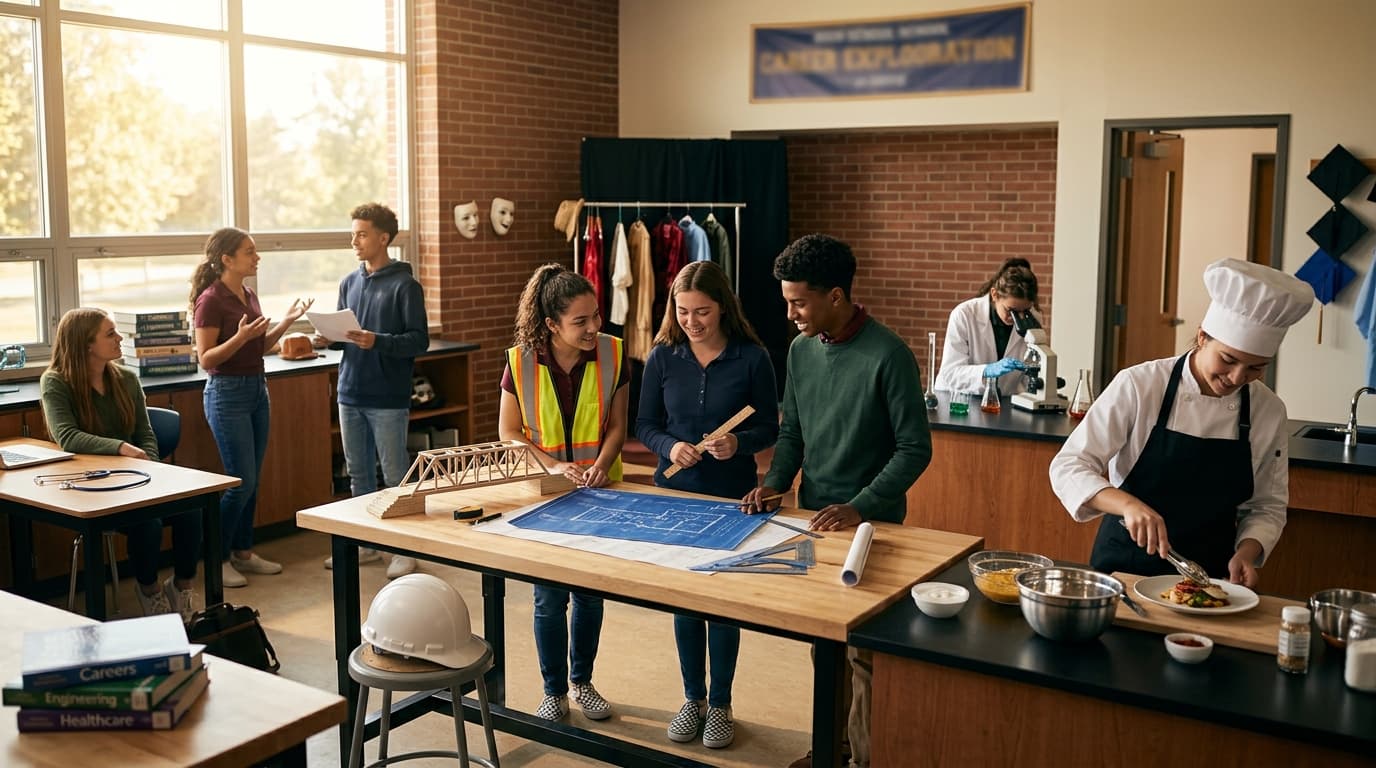
Job Title Picker Wheel — Career Day
Spin a random job title for career units, drama improv, and vocational exploration. Teacher, engineer, chef, and more — ten careers ready to spin.
In-page spinner
By Name Spinner

University Picker Wheel — College Fair
Spin a random university for research projects, college fairs, and geography tie-ins. Harvard, Oxford, MIT, and more — ten schools ready to spin.
In-page spinner
By Name Spinner

Team Role Picker Wheel — Projects & Agile
Spin a random team role for group projects, hackathons, and agile demos. PM, designer, QA, and more — nine roles ready to spin for fair assignment.
In-page spinner
By Name Spinner