
Name Spinner
- Spin for a Language
Random Programming Language Picker — Spin
Pick a random programming language with a free spinner wheel. CS clubs, coding warm-ups, and career days — ten languages ready to spin.
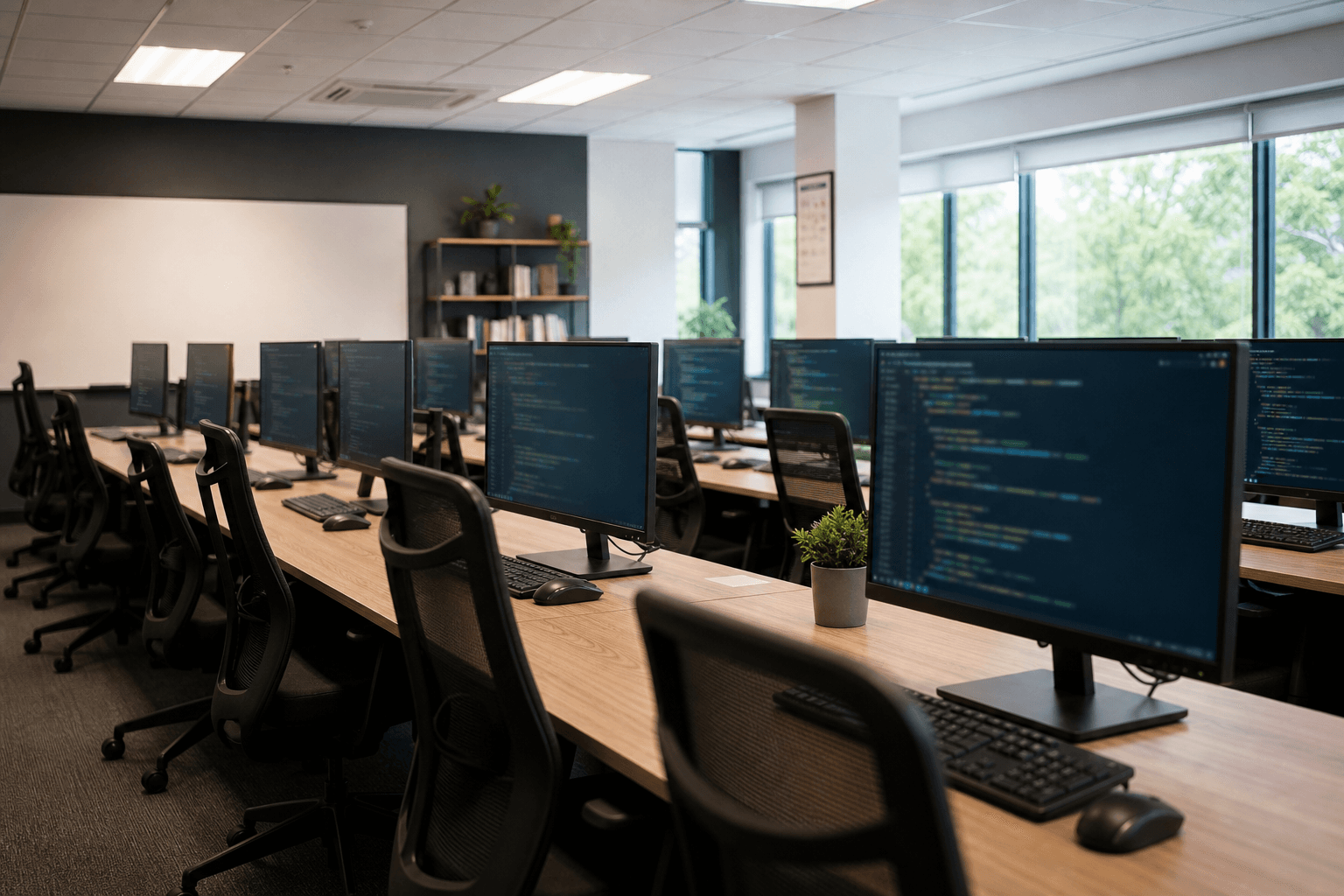
What is a random programming language picker?
A random programming language picker chooses a coding ecosystem when you need a fair, visible draw — not the same Python versus JavaScript debate every club meeting reopens. Use it for computer-science warm-ups, hackathon theme constraints, career-day exploration, or study groups comparing syntax across paradigms. A wheel spreads attention across ten languages so Rust and Ruby share spotlight with Java and PHP.
CS classrooms often default to whichever language the district adopted years ago. This embed loads ten widely taught languages spanning web, systems, mobile, and enterprise contexts. Spin once for a "hello world" research prompt, or run several rounds with a no-repeat chart until every language gets a student presentation slot. Pair with the random school subject picker when STEM fairs connect code to broader coursework, or spin colors when UI-themed projects need design constraints after language selection.
A wheel beats round-robin volunteering because everyone sees the spin. That shared ritual reduces accusations that the teacher favors their favorite stack. Paste hackathon allowed languages, interview-prep lists, or legacy mainframe names on the Name Spinner homepage when the blog embed is too narrow for your event rules.
Clarify that spins assign exploration topics, not job guarantees — languages are tools, not identity labels. Encourage curiosity without ranking people by random outcomes.
Ways to use a programming language wheel
- CS class warm-ups: Spin, then write one-line pseudocode for a familiar task — greet user, sum two numbers — and compare syntax in official docs afterward.
- Club meetings: Spin for which member demos a language feature first; rotate presenters so confidence builds across the roster.
- Hackathon constraints: Spin twice — language plus problem domain — to prevent every team from cloning the same todo app in React.
- Career days: Spin Java or Swift, connect to enterprise versus mobile job postings at survey depth with vetted slides, not live job-board panic.
- Self-study groups: Spin when tutorial paralysis hits — commit to forty-five minutes in whatever lands before switching stacks.
- Interview prep: Paste languages from job descriptions on the homepage, spin among required skills, drill one whiteboard pattern each night.
- Cross-curricular writing: Spin, then explain the language to a fictional non-programmer relative in one paragraph — jargon-free clarity practice.
- Art crossover: Spin JavaScript after a color picker spin for canvas drawing prompts in p5-style thinking exercises without requiring full IDE setup on day one.
Agree on repeat rules and depth expectations before you start. Introductory classes may cross off languages after one presentation; advanced clubs may allow repeats when comparing frameworks within the same language family.
Equity note: Not every student has home hardware for every stack — provide lab time or cloud sandboxes when spins assign resource-heavy languages. Offer pseudocode-only paths when installs fail.
- Portfolio nights: Students paste languages they explored via spins into slide footers — shows breadth without claiming expert status.
- Industry guests: Invite one local developer per semester to react to spin results — thirty-minute Q&A after demo, not recruitment pressure.
- Debugging culture: Any language spin ends with "read the error message aloud" ritual — normalizes struggle before celebrating working output.
Language categories on this wheel
- Web & scripting — JavaScript, TypeScript, PHP, Ruby
- General & teaching — Python, Java
- Systems & performance — C++, Go, Rust
- Mobile — Swift
- Paradigm mix — OOP, scripting, and systems styles represented
Illustrative language facts
10
Languages on this wheel
Curated for CS clubs and career exploration
4
Web-oriented entries
JavaScript, TypeScript, PHP, Ruby — illustrative grouping
Rust
Memory-safe systems example
Contrast with C++ in advanced discussion prompts
Cross-curricular prompts that stick
- Math connection: Spin Python, discuss indentation as structure — tie to logical sequencing without calculus.
- History connection: Spin COBOL on a homepage custom list for legacy-system stories in computing history units.
- Business connection: Spin Go or Java, map to backend service examples in entrepreneurship electives at introductory level.
- Statistics sidebar: Log twenty spins, graph counts versus expected ten percent — teach independence with a topic students care about.
- Ethics connection: Any language spin can open data-privacy discussion — language choice does not excuse harmful products.
Fairness and scope
Every language has equal odds each spin. Industry hiring trends do not change segment sizes — assign labor-market research after the spin if that is the lesson. Expand to Kotlin, C#, SQL dialect labels, or domain-specific languages on the homepage.
Avoid gatekeeping: Random spins should not mock beginners landed on PHP or Ruby — every entry has real production use cases worth respectful study.
- Version control mini-lessons: After any language spin, create one README sentence in a shared repo — collaboration habit before syntax mastery.
- Summer camp: One spin per day assigns demo language for unplugged logic puzzles when laptops stay in cabins.
Questions CS teachers ask
Why these ten? Wheel readability plus breadth for intro courses — customize on the homepage.
Install burden? Use online sandboxes when local installs are impractical.
Combine with school subjects? Spin school subject first for cross-curricular project themes, then spin language for implementation constraint.
Assessment tip: Grade documentation clarity and problem-solving, not language popularity alignment.
- Hack club showcase: Teams spin language, demo one standard-library feature live — thirty-second time cap keeps assembly moving.
- Parent night: Adults spin, kids explain what that language builds in Minecraft mods, apps, or robots — role reversal builds pride without grading parents.
- Open-source ethics: Any spin can introduce license vocabulary — MIT versus GPL at bumper-sticker depth before students clone tutorial repos.
- Pair programming spins: Two students share one keyboard after language lands — driver and navigator swap every five minutes.
- Documentation first: Before writing code, spin language and draft three bullet README goals — professional habit disguised as game rule.
“A visible language spin ends stack wars before they start — the wheel picked Rust, so the room researches Rust together.”
| Language | Starter research task |
|---|---|
| Python | Name one library used in data science — survey level |
| JavaScript | Name one place it runs besides the browser |
| Java | Name one enterprise domain where it is common |
| C++ | Name one performance-critical use case |
| Swift | Name one Apple platform it targets |
| Go | Name one reason teams choose it for services |
Build a hackathon language list
Paste allowed stacks from your rubric or job-posting skills — share the spin link with teams.
Create a custom language wheel →Build your own spinner wheel
Paste any list, import a class roster, save history, and share a link — free on the Name Spinner homepage. No account required.
Open full Name Spinner →Related guides
Computer Brand Picker — Tech Literacy
Spin a random computer brand for tech literacy, A+ intro units, and consumer research. Apple, Dell, Lenovo, and more — ten brands ready to spin.
In-page spinner

By Name Spinner
Job Title Picker Wheel — Career Day
Spin a random job title for career units, drama improv, and vocational exploration. Teacher, engineer, chef, and more — ten careers ready to spin.
In-page spinner
By Name Spinner

University Picker Wheel — College Fair
Spin a random university for research projects, college fairs, and geography tie-ins. Harvard, Oxford, MIT, and more — ten schools ready to spin.
In-page spinner
By Name Spinner

Team Role Picker Wheel — Projects & Agile
Spin a random team role for group projects, hackathons, and agile demos. PM, designer, QA, and more — nine roles ready to spin for fair assignment.
In-page spinner
By Name Spinner