
Name Spinner
- Spin for a Dog Breed
Random Dog Breed Picker — Spin the Wheel
Pick a random dog breed with a free spinner wheel. Vet-school warm-ups, pet-party games, and writing prompts — ten popular breeds ready to spin.
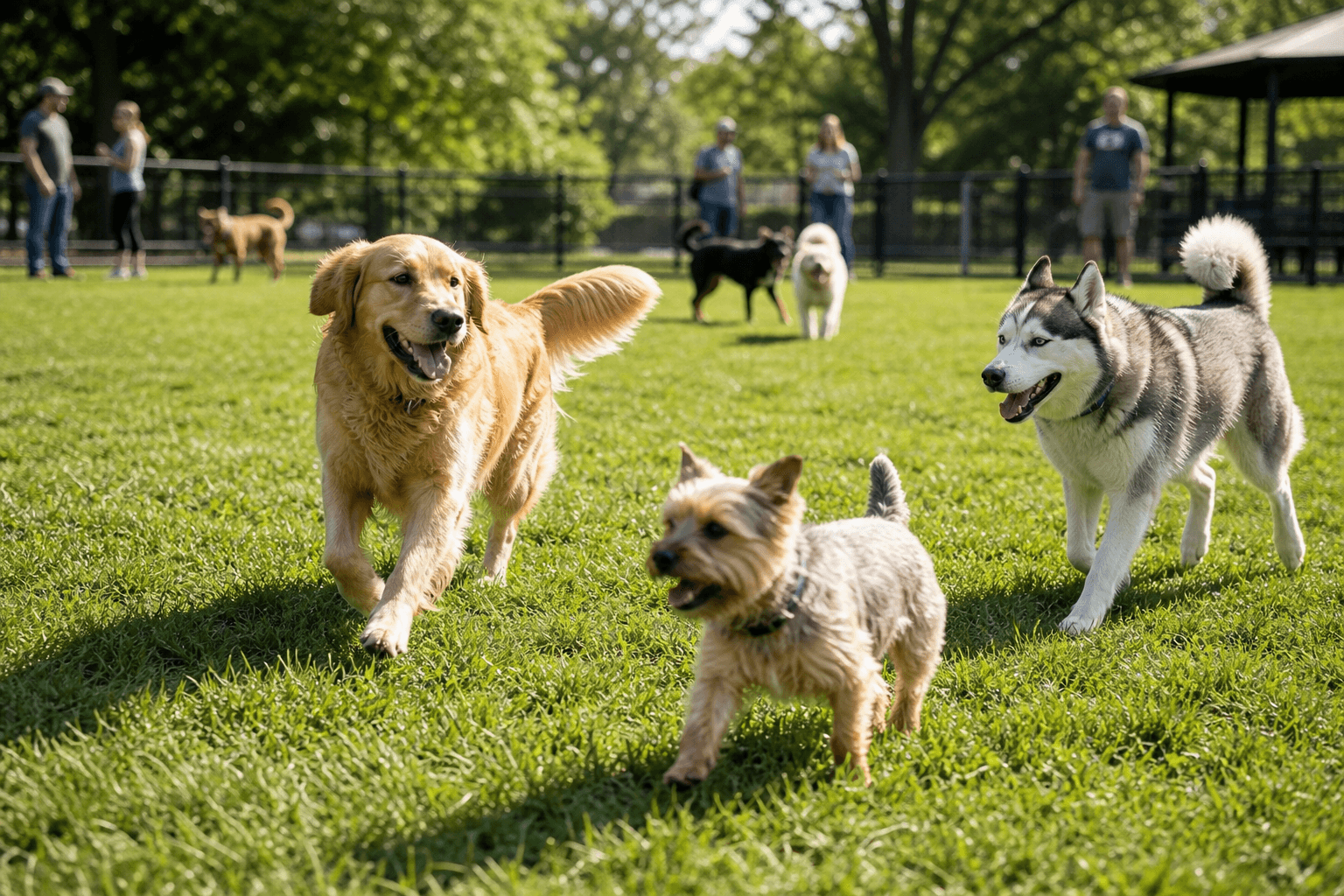
What is a random dog breed picker?
A random dog breed picker chooses a canine type when you need a fair, visible draw — not the same three breeds everyone already knows from memes and neighborhood walks. Use it for veterinary-school icebreakers, creative writing companions, pet-adoption awareness units, or family game nights where kids argue over which dog is "the best." A wheel spreads attention across ten well-known breeds so Dachshund and Yorkshire Terrier get the same spotlight as Labrador Retriever.
Pet-themed lessons often drift toward golden retrievers and huskies because they dominate social media. This embed loads ten AKC-familiar breeds spanning size groups and temperament profiles. Spin once for a quick research prompt, or run several rounds with a no-repeat honor system — cross winners off a printed chart until every breed has been claimed. Compare with the random animal picker when your unit needs wild species instead of domestic dogs, or the random bird picker when you want avian contrast in the same biology week.
A wheel beats a numbered list because everyone sees the spin. That shared ritual reduces arguments about favoritism and keeps attention on the result. Shelter volunteers paste adoptable dogs from today's roster on the Name Spinner homepage and spin with the same fair logic. Dog trainers paste client breeds for randomized trick-of-the-day assignments; 4-H clubs paste county fair entries when judges need a neutral order.
Need every breed from your textbook chapter or a custom "dogs we saw at the park" list? Paste names into the homepage and share the link with your class. One mechanism, many lists — the blog embed is a curated starting set, not a complete breed encyclopedia.
Ways to use a dog breed wheel
- Creative writing: Spin for the protagonist's pet, the breed guarding a fantasy castle gate, or the dog featured in a six-sentence story. Require one sensory detail — wet nose, thump of a tail — so the breed anchors the prose.
- Art class: Spin first, sketch second — the constraint speeds up blank-page anxiety. Young artists love drawing exaggerated Dachshund proportions or fluffy Poodle curls.
- Elementary research: Spin, then name one size category, one historical job the breed performed, and one care requirement. Keep facts verbal so the game moves; look up details afterward if curiosity spikes.
- Vet-school warm-ups: Spin for which student presents a breed case study first, or which breed appears in today's anatomy comparison slide. Random order prevents the same confident presenter from always opening.
- Pet party games: Spin for charades — act like the breed without naming it. Pair with charades topic spinner when you need broader acting prompts after the breed round.
- Adoption awareness: Spin, then assign one responsible-ownership fact — exercise needs, grooming, lifespan — appropriate to the breed drawn. Never use spins to pressure families into specific purchases; the lesson is research and empathy.
- Library programs: Spin at the children's desk, then send patrons to the pet-care nonfiction shelf for that breed's call-number range.
- Distance learning: Share screen during the spin so remote students see the same result simultaneously. Assign breakout rooms by spin — all students who would have landed on the same breed collaborate on a shared slide about care tips.
Agree on repeat rules before you start. Either allow the same breed twice or cross off winners on chart paper until everyone has had a unique turn. Post progress on the wall — "seven of ten breeds researched" motivates better than an abstract checklist.
- Compare sizes: After spinning Rottweiler and Yorkshire Terrier, discuss weight ranges using rounded figures — which is larger, by roughly how many times?
- Compare with wild canids: Spin a dog breed, then spin gray wolf context from the animal wheel and discuss domestication themes at age-appropriate depth.
Size groups on this wheel
- Large — Labrador Retriever, Golden Retriever, German Shepherd, Rottweiler, Siberian Husky
- Medium — Bulldog, Beagle
- Small — Poodle (toy/miniature context), Yorkshire Terrier, Dachshund
- Working heritage — German Shepherd, Rottweiler, Siberian Husky
- Companion focus — Poodle, Yorkshire Terrier, Beagle
Illustrative breed facts
10
Breeds on this wheel
Curated for classroom and trivia use — illustrative count
Small to large
Size range represented
From toy-adjacent terriers to large working breeds
Labrador Retriever
Most popular AKC breed on wheel
Illustrative example for popularity versus spin odds
Cross-curricular prompts that stick
- Math connection: Compare average lifespans using rounded years — which breeds on the wheel tend toward longer or shorter spans in general reference sources?
- History connection: Spin German Shepherd and discuss working roles in twentieth-century contexts at age-appropriate depth.
- Geography connection: Spin Siberian Husky, then spin a country where sled-dog heritage appears in cultural stories — Russia, Canada, or Alaska-themed units.
- Science connection: Spin Bulldog, discuss brachycephalic anatomy and responsible breeding ethics without graphic imagery — focus on care and veterinary partnership.
- Reading connection: Spin Beagle, connect to classic detective-dog literature students may know from read-alouds.
- PE warm-up: Assign breed-inspired movements — Husky "mush" jog in place, Dachshund low crawl — match intensity to grade level.
Fairness and scope
Every breed on this list has the same odds each spin. The wheel does not weight by AKC registration popularity — if you want that lesson, assign research after the spin and compare real registration statistics. Students often assume Labrador "should" land more often; explaining equal slots versus real-world popularity is a legitimate statistics sidebar.
This embed is a starting set, not a complete breed registry. Expand to rare breeds, regional favorites, or your shelter's current adoptables on the homepage. Share the URL with co-teachers so everyone spins the same roster during parallel periods.
Mixed breeds matter: Celebrate that many real pets are not single breeds — use spins for learning prompts, not identity tests. Invite students with rescue dogs to share optional stories after the spin without requiring disclosure.
Questions pet educators ask
Why only ten breeds? The blog embed balances wheel readability with variety. Segments stay legible on projectors; add more on the homepage without character limits.
Can I combine with the animal picker? Yes — spin a dog breed, then spin a wild animal and compare domestication, diet, or habitat needs at a high level.
Shelter field trips: Paste today's adoptable names on the homepage the morning of the visit so spins match who students might meet.
Assessment tip: Use spins for formative practice only; graded projects should use fixed rubric items unless you announce random prompts as part of the policy.
- After-school clubs: 4-H and junior handler groups spin for demo order at fairs — visible fairness when parents watch from bleachers.
- Therapy dog visits: Paste visiting team breeds on the homepage when the embed list does not match today's guests; spin among who is actually in the building.
- Media literacy: Spin Bulldog or Poodle, compare one stock photo stereotype to a breed-club description — discuss how images shape expectations before families adopt.
- Math extensions: Chart coat-color genetics at survey level after spinning two breeds; keep Punnett squares optional for advanced tracks only.
“Random breed prompts work best when students know the spin is visible — the process builds trust faster than a teacher reading from a breed poster.”
| Prompt type | Student task |
|---|---|
| Size | Name small, medium, or large category within 10 seconds |
| Job | Name one historical working role for the breed |
| Care | Share one grooming or exercise need — age-appropriate |
| Temperament | Describe one common trait from a reputable source |
| Geography | Name one region where the breed developed or became popular |
| Compare | Name one way the breed differs from the previous spin |
Build a custom breed list
Paste every breed from your unit, shelter roster, or dog-show category — then share the link with your class or club.
Create a custom dog breed wheel →Build your own spinner wheel
Paste any list, import a class roster, save history, and share a link — free on the Name Spinner homepage. No account required.
Open full Name Spinner →Related guides
Random Aquarium Pet Picker
Spin a random aquarium pet for science units and hobby clubs — goldfish, betta, tetra, and more on a fair visibility wheel.
In-page spinner

By Name Spinner
Random Cat Breed Picker Wheel
Spin a random cat breed for writing prompts, pet club icebreakers, and biology units. Ten popular breeds on a fair equal-odds wheel.
In-page spinner
By Name Spinner
Pet Name Picker Wheel — Random Name Ideas
Pick a random pet name with a free spinner wheel. Dogs, cats, and new companions — twenty-five friendly names ready to spin, no signup.
In-page spinner
By Name Spinner
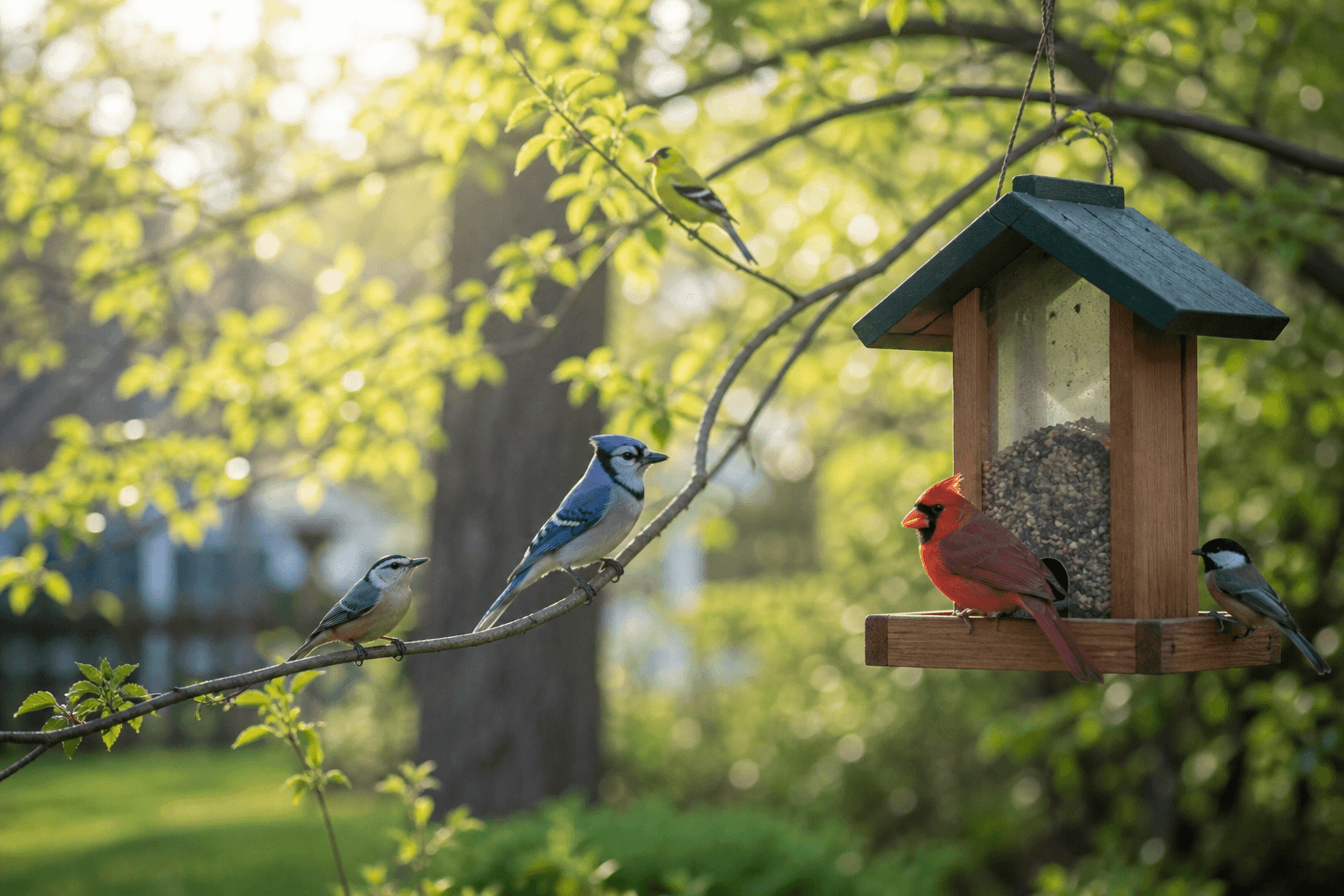
Random Bird Picker — Spin the Wheel
Pick a random bird with a free spinner wheel. Ornithology warm-ups, writing prompts, and classroom games — ten species ready to spin, no signup.
In-page spinner
By Name Spinner