
Name Spinner
- Spin for a Bird
Random Bird Picker — Spin the Wheel
Pick a random bird with a free spinner wheel. Ornithology warm-ups, writing prompts, and classroom games — ten species ready to spin, no signup.
What is a random bird picker?
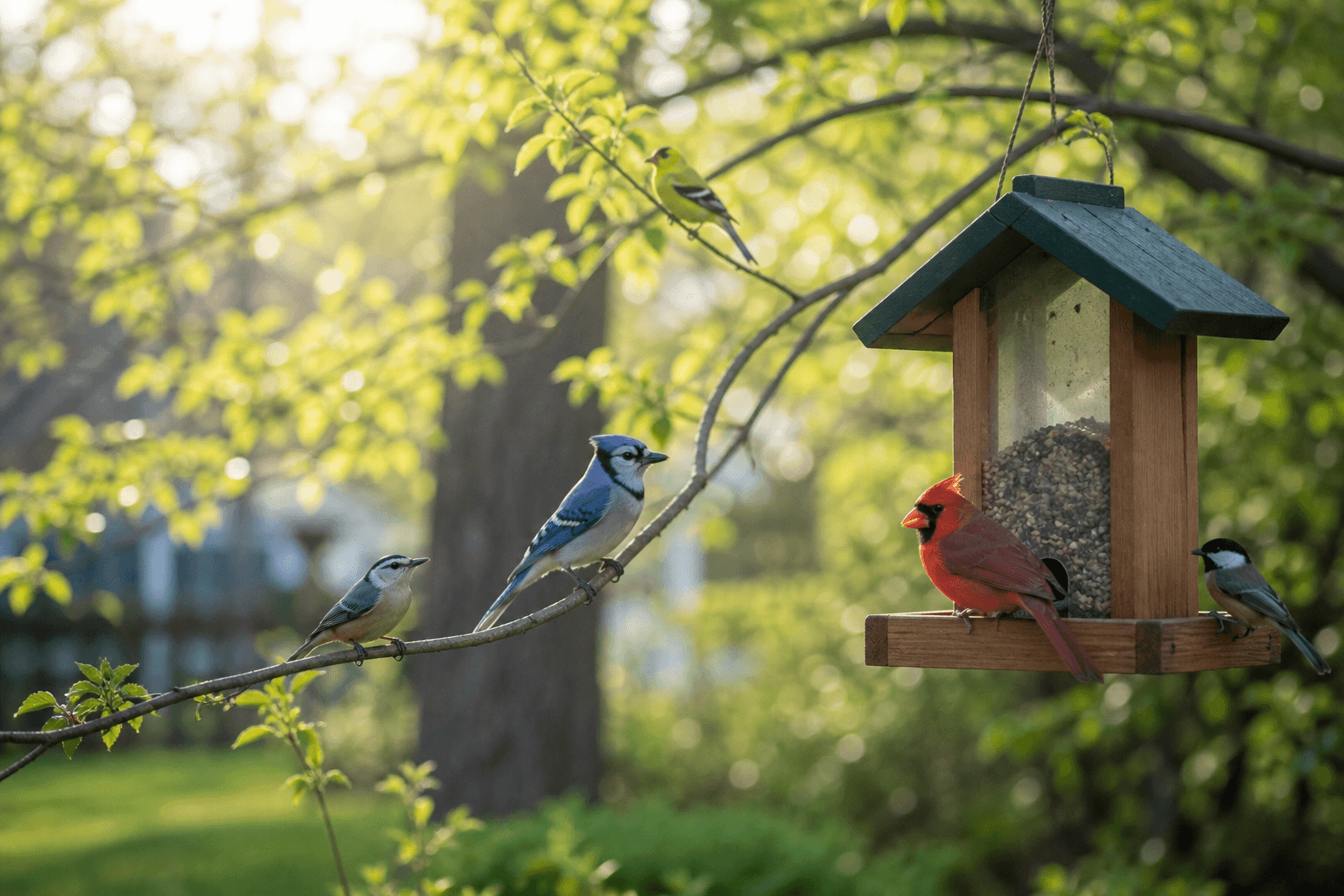
A random bird picker chooses a species when you need a fair, visible draw — not the same eagle and parrot everyone remembers from last year's poster project. Use it for ornithology warm-ups, creative writing settings, bird-watching club icebreakers, or biology units where students map adaptations to real examples. A wheel spreads attention across ten familiar birds so Sparrow and Crow share the spotlight with Flamingo and Penguin.
Bird lessons often drift toward raptors and tropical color because they photograph well. This embed loads ten species spanning habitats — forest, coast, polar, urban, and wetland contexts. Spin once for a quick prompt, or run several rounds with a no-repeat honor system. Compare with the random animal picker for mixed mammal-and-bird units, or the random dog breed picker when your week contrasts pets with wildlife.
A wheel beats a static list because everyone watches the spin. That shared ritual reduces arguments and keeps attention on the result. Bird-watching groups paste local checklist species on the Name Spinner homepage before a field trip so spins match what members might spot. Nature centers paste exhibit species for scavenger hunts; ESL teachers paste birds matching migration vocabulary themes.
Need every species from your regional field guide or a custom backyard list? Paste names into the homepage and share the link. One mechanism, many lists — the blog embed is a curated sampler, not a complete avian index.
Ways to use a bird wheel
- Creative writing: Spin for the bird crossing the hero's path, the messenger in a fantasy tale, or the species featured in a six-sentence poem. Require one sensory detail — wing beat, call note, feather color — so the bird anchors the prose.
- Art class: Spin first, sketch second — flamingo curves and owl eyes make strong composition exercises.
- Elementary science: Spin, then name one habitat feature, one diet fact, and one adaptation. Keep facts verbal so the game moves; verify afterward with field guides or trusted websites.
- Ornithology clubs: Spin for which member shares a sighting story first, or which species anchors today's ID quiz. Random order prevents the same expert from always leading.
- PE warm-ups: Assign bird-inspired movements — eagle soar with arm wings, penguin waddle relays, sparrow quick hops. Match intensity to grade level.
- Language practice: Spin and recite the word in another language if you are working on vocabulary — Spanish *águila*, French *hibou*, and so on.
- Library programs: Spin at the desk, then send patrons to birding nonfiction for that species' call-number range.
- Distance learning: Share screen during the spin so remote students see the same result. Assign breakout rooms by spin — collaborators build a shared slide on one adaptation per bird.
Agree on repeat rules before you start. Cross off winners on chart paper until every species has been claimed, or allow repeats when you want quick rounds. Post progress visibly — "eight of ten birds researched" motivates ongoing units.
- Habitat mapping: After spinning Penguin and Flamingo, discuss cold versus warm wetland contexts without pretending every bird fits one biome label.
- Compare with ocean life: Pair a bird spin with the random ocean creature picker when studying coastal food webs — albatross and sea turtle prompts open predator-prey discussions.
Habitat themes on this wheel
- Forest & woodland — Robin, Owl, Sparrow, Crow
- Open sky & raptors — Eagle, Hawk
- Wetland & wading — Flamingo, Swan
- Polar & cold climate — Penguin
- Tropical & colorful — Parrot
Illustrative example only — rounded percentages for teaching variety, not census data.
Cross-curricular prompts that stick
- Math connection: Compare wingspan estimates using rounded figures — which birds on the wheel have larger spans relative to body size?
- Music connection: Spin Robin, listen to a dawn-chorus recording, then spin Parrot for a contrast in vocal complexity.
- Geography connection: Spin Eagle, then spin a country where that species appears on a flag or emblem — classroom discussion, not trivia gatekeeping.
- Migration units: Spin Sparrow and Hawk, assign one migration behavior students research — distance, season, navigation cues.
- Poetry units: Spin Swan, write haiku with one nature image constraint.
- Citizen science: Spin a local species from a homepage custom list, then log a backyard observation in a class journal even if the bird was not seen that day — hypothesis practice counts.
Fairness and scope
Every bird on this list has the same odds each spin. The wheel does not weight by rarity or geographic abundance — if you want that lesson, assign research after the spin and compare eBird or regional checklist data. Explaining equal slots versus real population counts is a legitimate statistics sidebar.
This embed is a starting set, not a complete field guide. Expand to regional migrants, backyard regulars, or extinct species for evolution units on the homepage. Share the URL with co-teachers for consistent review games across parallel periods.
Cultural respect: Birds appear in many indigenous stories — use spins to open research, not to assign students cultural performance roles based on a random species.
Questions teachers and birders ask
Why only ten birds? Wheel readability on projectors; add dozens on the homepage.
Field trip prep: Paste expected species from today's trail map the night before.
Can I combine with the animal picker? Yes — spin bird, spin mammal, compare warm-blooded adaptations at introductory level.
Assessment tip: Random spins suit formative retrieval; summative tests should use aligned item banks unless policy says otherwise.
- Citizen science tie-in: After spinning Robin or Crow, log a fifteen-minute window bird count from the classroom window — data entry optional, observation habit is the goal.
- Poetry slams: Spin Owl, write eight lines with night imagery; spin Flamingo, switch to color vocabulary constraints.
- Substitute plans: Leave breed-or-bird spin instructions with printed research cards so openings run without guessing your pacing calendar.
“A visible bird spin turns 'pick a species' into a shared moment — students accept the owl as easily as the eagle when everyone watched the wheel stop.”
| Prompt type | Student task |
|---|---|
| Habitat | Name one place this bird might live or feed |
| Diet | Name herbivore, carnivore, or omnivore tendency — introductory level |
| Adaptation | Share one physical feature that helps survival |
| Sound | Describe or imitate one call type — keep it brief |
| Flight | Compare flier versus flightless if applicable |
| Compare | Name one difference from the previous spin |
Build a backyard bird list
Paste species from your local checklist, feeder cam, or unit vocabulary — then share the spin link with your class or club.
Create a custom bird wheel →Build your own spinner wheel
Paste any list, import a class roster, save history, and share a link — free on the Name Spinner homepage. No account required.
Open full Name Spinner →Related guides
Random Aquarium Pet Picker
Spin a random aquarium pet for science units and hobby clubs — goldfish, betta, tetra, and more on a fair visibility wheel.
In-page spinner

By Name Spinner
Random Cat Breed Picker Wheel
Spin a random cat breed for writing prompts, pet club icebreakers, and biology units. Ten popular breeds on a fair equal-odds wheel.
In-page spinner
By Name Spinner

Pet Name Picker Wheel — Random Name Ideas
Pick a random pet name with a free spinner wheel. Dogs, cats, and new companions — twenty-five friendly names ready to spin, no signup.
In-page spinner
By Name Spinner
Random Dog Breed Picker — Spin the Wheel
Pick a random dog breed with a free spinner wheel. Vet-school warm-ups, pet-party games, and writing prompts — ten popular breeds ready to spin.
In-page spinner
By Name Spinner