
Name Spinner
- Hall Pass Picker
Hall Pass Picker — Fair Hallway Transitions for Class
Pick who gets the hall pass with a free classroom spinner. Demo roster included — equitable hallway transitions, sub-friendly routines, and fewer door arguments.
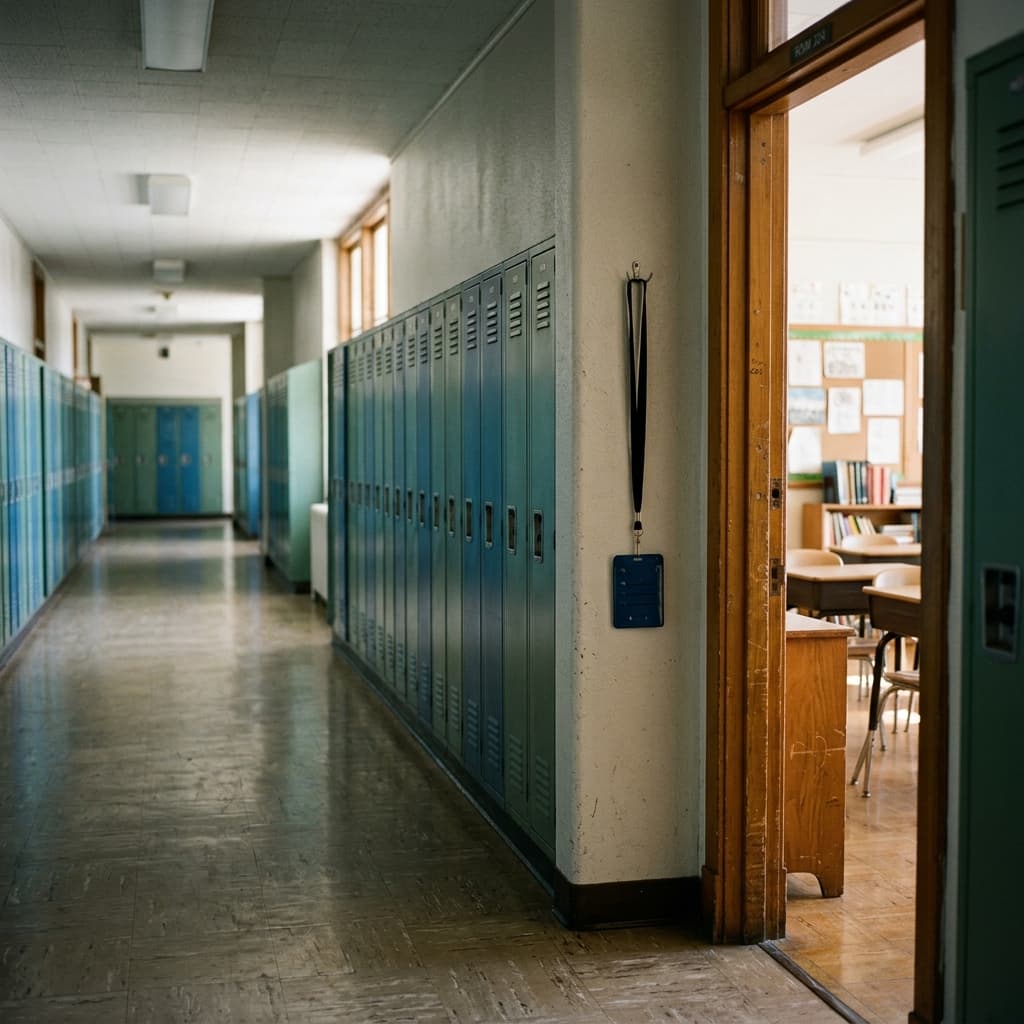
Why hallway transitions need a fair picker
The hall pass is a small object that carries enormous social weight. In many classrooms, the same three students seem to leave the room every period — bathroom, nurse, locker, water fountain — while others never ask because they do not want to look like they are chasing privilege. Teachers notice the pattern too, yet calling names from memory still favors students who sit near the door or who raise a hand the fastest. A hall pass picker removes that invisible queue with one visible spin.
Hallway transitions also eat instructional time when the class negotiates at the threshold. "Can I go?" turns into a chain of whispers, a line at the desk, and a substitute wondering who is actually allowed to leave. When the Hall Pass Picker decides before anyone stands up, the routine becomes predictable: one spin, one name, one pass — or your posted rule for how many students may be out at once.
Equity matters here more than speed. Some students need frequent breaks for medical or sensory reasons; your policy should sit outside the random spin for documented accommodations. For everyone else, equal odds on the wheel signal that hallway access is a turn, not a popularity contest. Subs especially benefit: a printed roster link or a photo of today's spin result travels better than "ask the kid who usually knows."
This guide uses the demo class roster on the embed below. Paste your real names on the Name Spinner homepage, spin when a pass is available, and pair the workflow with auto-exclude if you want each student to receive one hall pass before repeats in a week-long unit.
Building a hall pass routine that subs can run
- Morning setup: Decide how many students may be out simultaneously — often one for elementary, sometimes two in middle school with a sign-out sheet.
- When a request comes in: Spin once if a pass is free; if not, the student waits until the pass returns and you spin again or use a numbered waiting list tied to the last spin order.
- End of period: Reset the pass at the bell so the next class inherits a clean rule.
Substitute teachers inherit chaos when hall pass policy lives only in the regular teacher's head. Leave a one-page note: "Spin for hall pass. One out at a time. Accommodations on the clipboard." Encode your roster on the homepage URL so the sub opens the same Hall Pass Picker on a classroom iPad without retyping names. Pair the plan with the substitute teacher name picker when guest teachers need fair cold calls and helpers too. Students who know the ritual will coach the sub — that is a feature, not a flaw.
After recess and assemblies, energy spikes at the door. Spin before lining up so nobody argues during the transition. Nurse and office visits that are non-optional should bypass the wheel; randomness applies to discretionary movement, not emergencies. Behavior coaching: If a student misuses a pass, address the behavior without permanently removing them from the pool — responsibility can be taught; exclusion should be rare and explained.
Pair hall pass spins with transition jobs from your jobs chart — line leader leaves first, pass holder stays until the spin says otherwise — so hallway fairness connects to the broader classroom responsibility system students already understand. The classroom job assignment picker posts weekly duty photos subs can read at a glance.
Elementary teachers often mount the pass on a lanyard with a sign-out clipboard clipped below. The spin result gets initials and time — subs read the last entry when a new request arrives. Secondary teachers sometimes use a digital hall pass system mandated by the district; a spinner still helps when two students qualify simultaneously and the app allows only one active pass — spin breaks the tie visibly.
Water fountain requests cluster after PE. Spin before releasing the class from the gym hallway if your building allows a batch break — or spin individuals if policy requires. Announcing "we spin for fountain after PE on Tuesdays" prevents daily renegotiation.
Language for students: "The pass is available — let's spin" beats "I don't know, maybe later." Predictable language reduces anxiety for students who need breaks but fear rejection. The wheel says yes or no through process, not mood.
Sample hall pass flow (one period)
Pass available
Teacher or student helper spins once on the demo roster.
Name lands
That student signs out on the clipboard with time and destination.
Pass out
No second student leaves until the pass returns or your max-out rule allows another spin.
Return
Student signs in; pass goes to the holder for the next spin when requested.
End of block
All passes in; reset for the next class or subject switch.
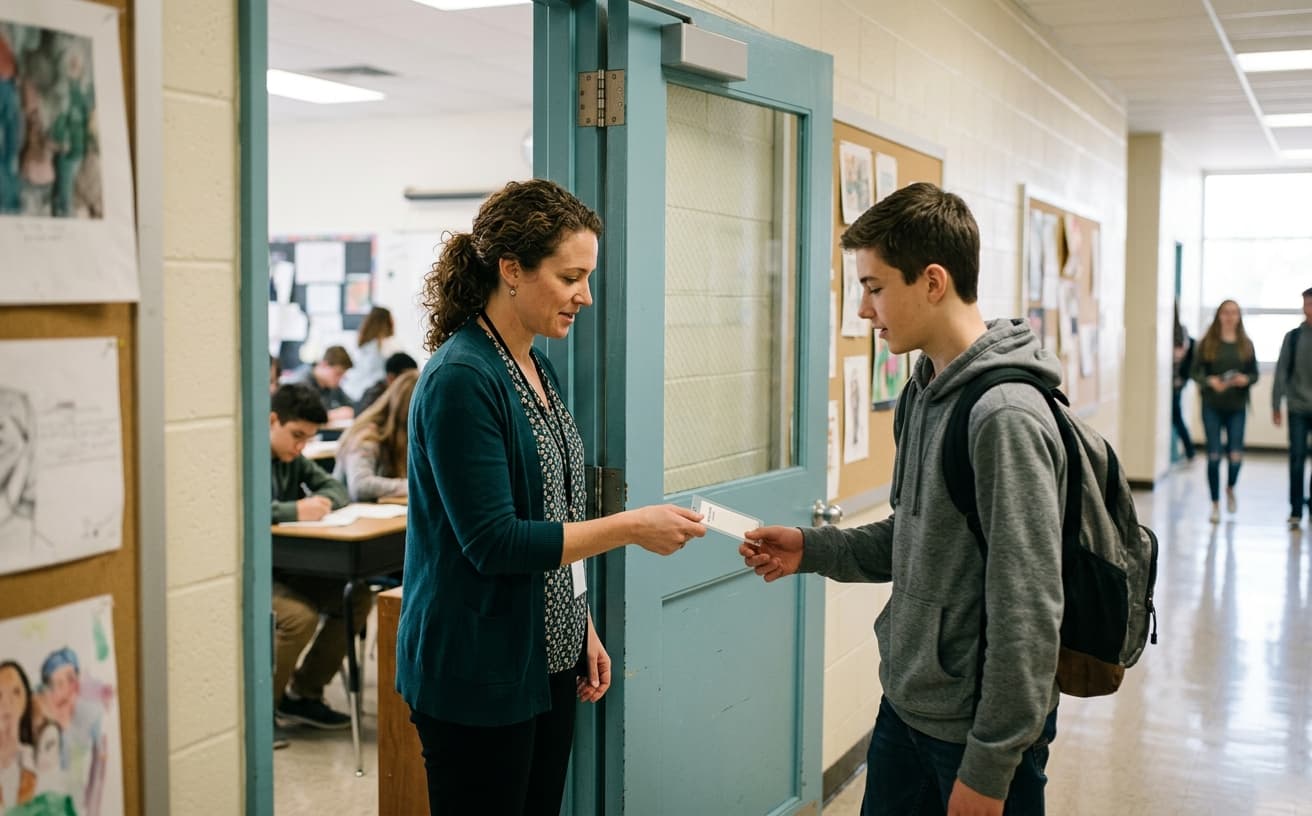
Illustrative hall pass notes
22
Demo roster size
Replace with your class on the homepage
1–2
Typical max out
Adjust by grade level and school policy
Varies
Spins per day
Track if repeat names suggest accommodation needs
| Situation | Use the wheel? |
|---|---|
| Discretionary bathroom break | Yes — when pass is available |
| Medical or IEP-mandated break | No — follow documented plan |
| Nurse emergency | No — send immediately |
| Two students ask at once | Yes — one spin, second waits for return |
| End-of-day dismissal | No — use dismissal routine instead |
Fairness, PBIS, and classroom culture
Random hall pass assignment supports positive behavior systems when you frame the pass as responsibility, not reward. The student who wins the spin learns to sign out cleanly, return on time, and hand the pass back without drama. Public spins reduce accusations that the teacher "always lets the same friend go" — the wheel already decided in front of everyone.
Auto-exclude across a week guarantees variety for discretionary passes. If you track winners on the homepage history or a paper tally, patterns become visible: a student who never gets selected might need encouragement to self-advocate; a student who spins often might need a private check-in about whether breaks are masking avoidance. Data from spins is informal, not surveillance — use it to support kids, not to shame them.
Common questions from teachers: Can two students share one trip? Only if your school allows pairs — otherwise spin separately. What if the spinner lands on someone who just went? Honor the spin or enable auto-exclude; pick one policy and teach it on day one. Can students spin? A trusted helper can spin under your supervision; the pass still clears through you.
Common questions from subs: Where is the pass? Tape it to the board with the spinner link QR code. What if the wheel breaks? Fall back to alphabetical order from the printed roster — announce it as backup, not punishment. The goal is equitable movement through the building, not perfect technology every hour.
Hall passes are tiny, but they teach procedural fairness — the same lesson as line leader and volunteer picks. When your class trusts the spin at the door, you reclaim minutes that used to vanish into hallway lobbying.
Co-teaching and inclusion rooms benefit from one shared hall pass wheel encoded on the homepage. Both teachers spin from the same roster so students cannot shop for the more lenient adult at the door. Document accommodations on a separate clipboard — the spin handles discretionary passes, not legally mandated movement.
Middle school hall culture intensifies — friend groups want to leave together. Your policy might allow one pass at a time precisely to prevent hallway social tours. When students ask to "just go with" a friend who already has the pass, the answer is the same: wait for your spin. Consistency beats negotiating each request.
End-of-year fatigue tempts teachers to hand passes casually. Keep the spin through June so fairness norms survive until dismissal — seniors included if your building expects uniform procedure. Students remember whether May felt different from September.
Data you might track informally: passes per week per student, time out of room, return punctuality. Patterns suggest coaching conversations, not punishment. A student always late from passes may need a timer reminder; a student never spinning may need private encouragement that the pass is available to them too.
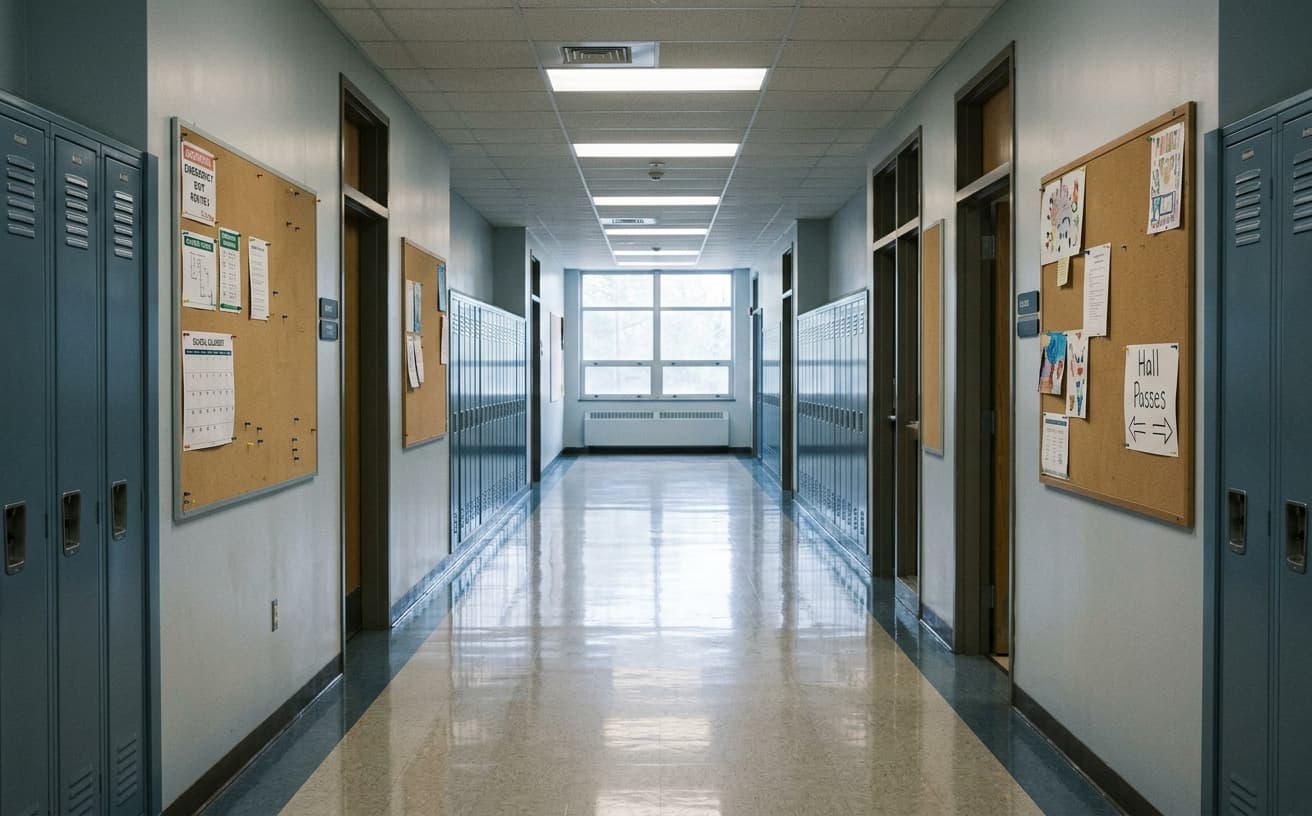
“Post the hall pass spin where the sub can see it — fairness survives the day you are out sick.”
Track passes without repeats
Use homepage auto-exclude for a week so every student gets one discretionary pass before anyone spins twice.
Random student picker — no repeats →Build your own spinner wheel
Paste any list, import a class roster, save history, and share a link — free on the Name Spinner homepage. No account required.
Open full Name Spinner →Related guides
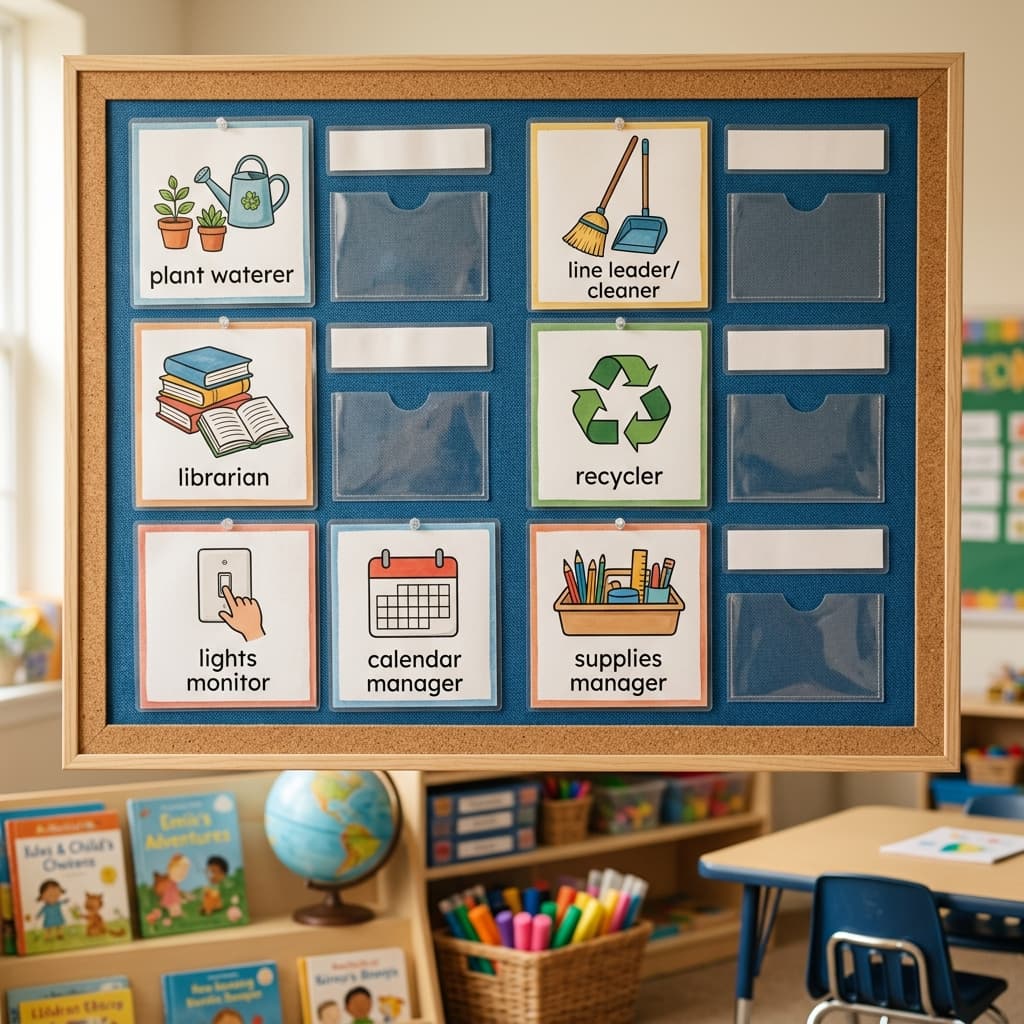
Classroom Job Picker — Jobs Chart Alternative
Assign classroom jobs with a free spinner wheel — jobs chart alternative, responsibility rotations, and sub-friendly duty lists. Demo roster.
In-page spinner

By Name Spinner
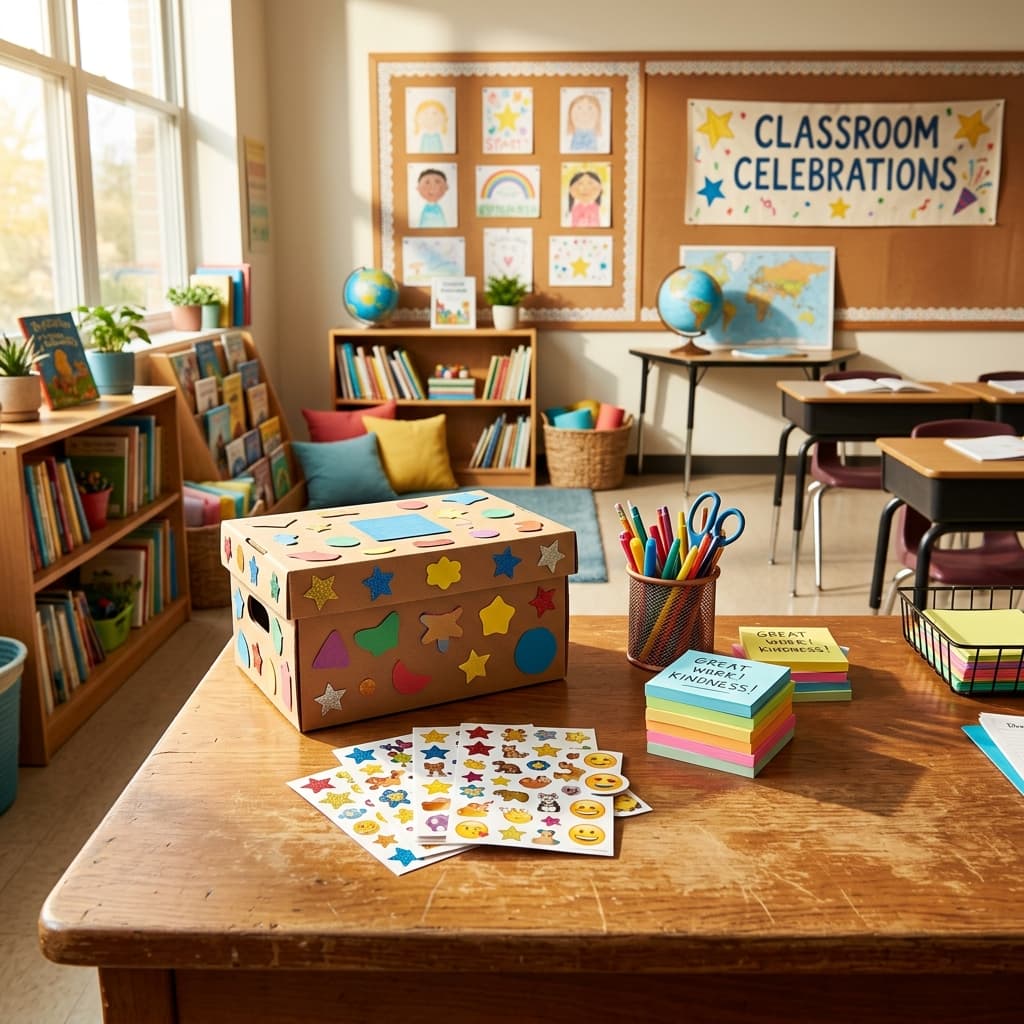
Classroom Reward Picker — Positive Behavior Prize Wheel
Pick classroom rewards with a free spinner — prize menu, PBIS celebrations, and fair positive behavior recognition. Demo roster ready to spin.
In-page spinner
By Name Spinner
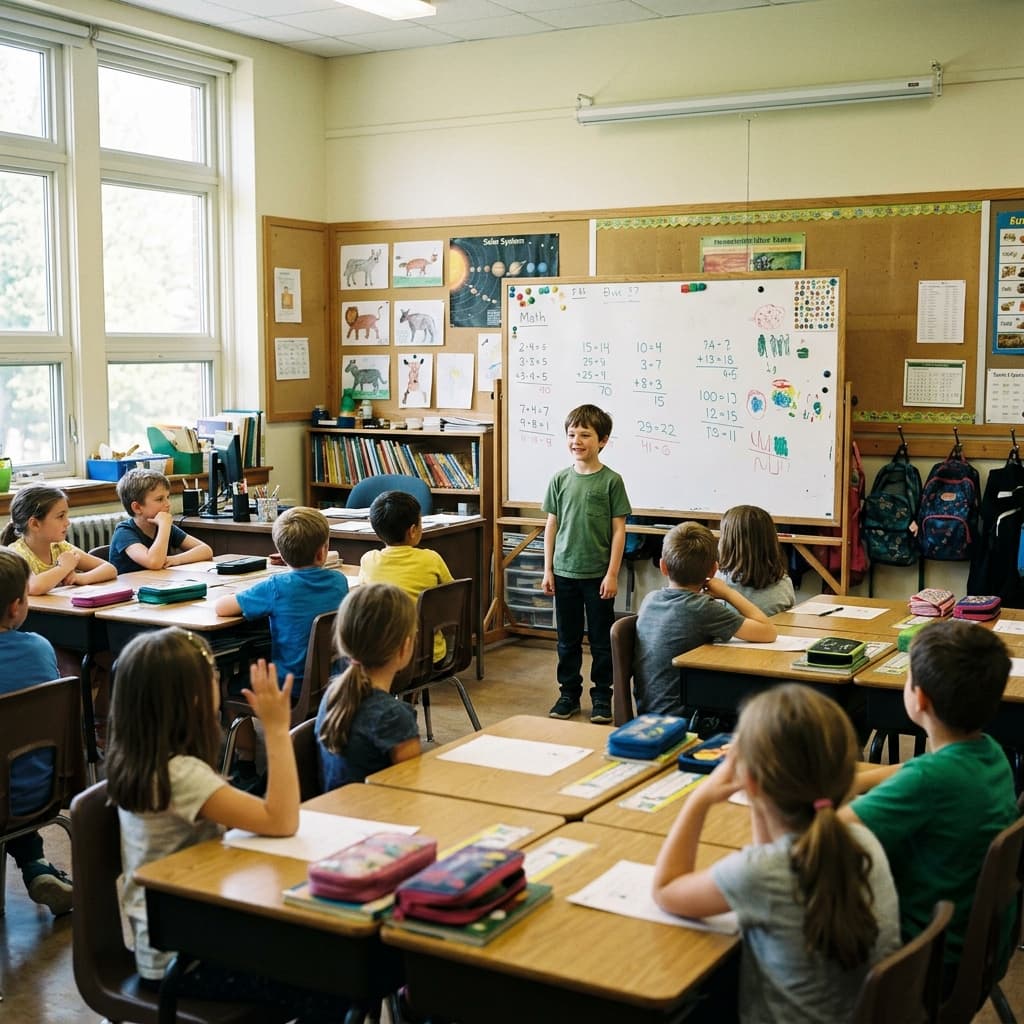
Classroom Volunteer Picker — Fair Helper Selection
Pick classroom volunteers with a free spinner wheel — show-and-tell, board eraser, line helper, and more. Demo roster, fair turns, sub-friendly.
In-page spinner
By Name Spinner
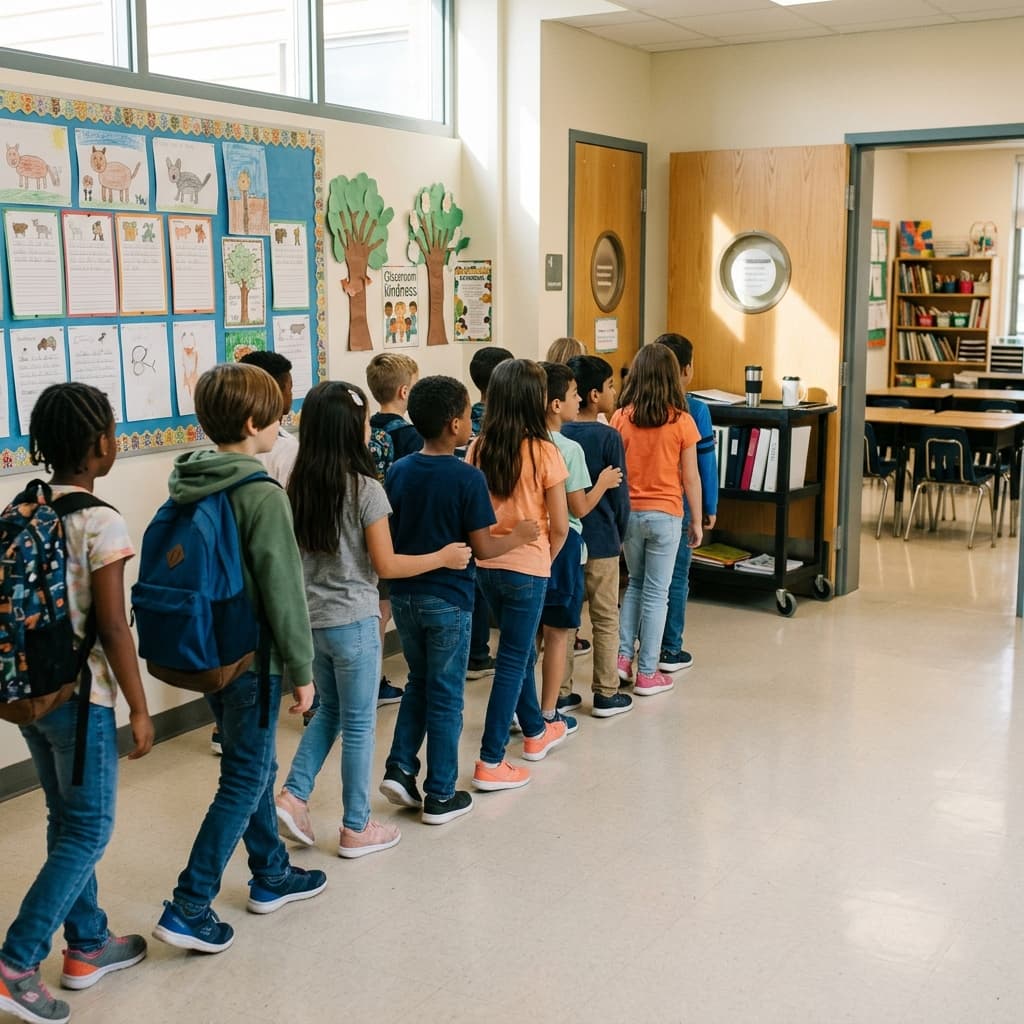
Line Leader Picker — Random Leader for Class
Pick a random line leader or hallway leader with a free classroom spinner. Demo roster included — fair daily leadership without favorites.
In-page spinner
By Name Spinner