
Name Spinner
- Roll the dice
Dice Roller Wheel — Online 1–6 Spinner
Roll dice online with a free spinner wheel — fair 1–6 rolls for classroom games, board nights, and math practice. Spin instantly, no signup.
What is an online dice roller wheel?
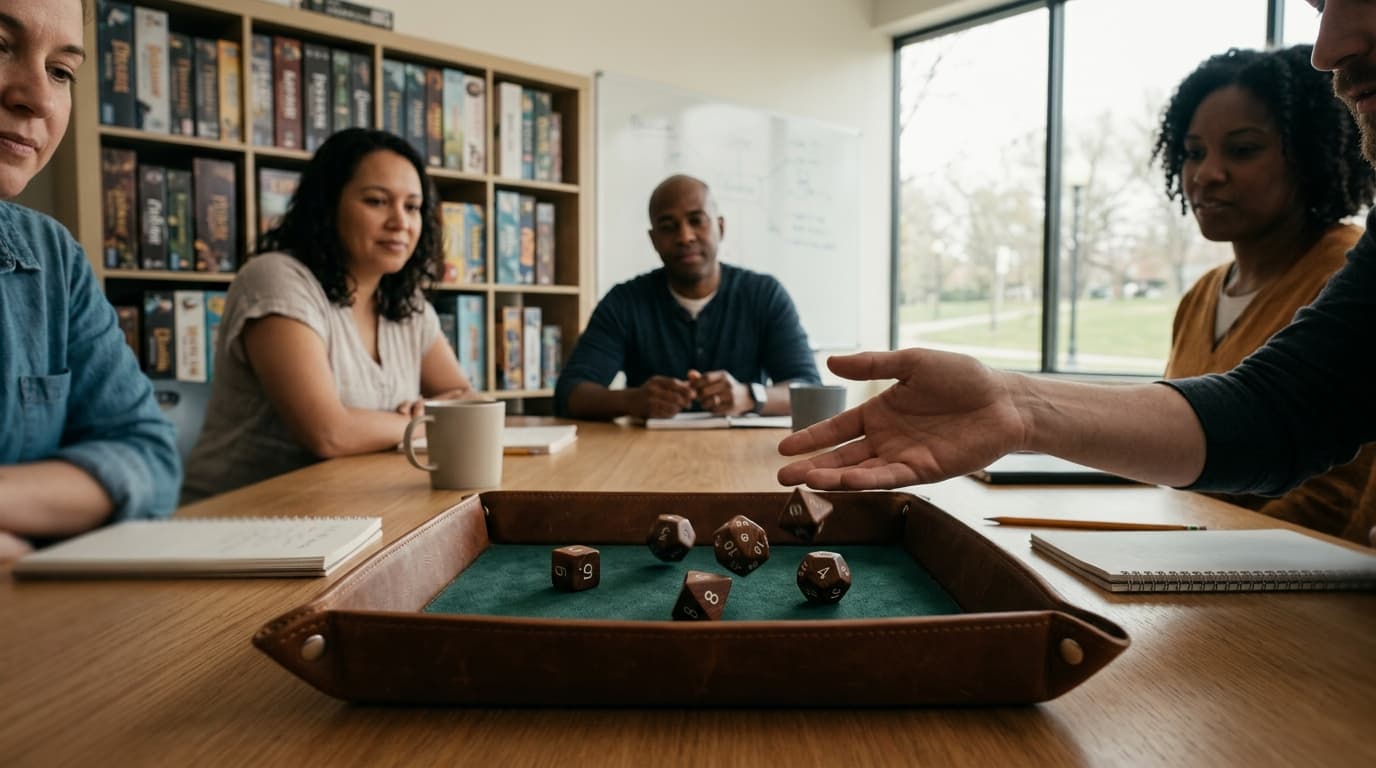
A dice roller wheel replaces physical dice when you need a fair, visible roll on a projector, video call, or phone passed around the table. Six equal segments — faces 1 through 6 — spin once and land on one result. Everyone watches the same animation, which beats someone claiming their app "always rolls six."
Teachers use dice wheels for math warm-ups, probability units, and game-show review formats. Families use them for board games when the cube vanished under the couch. Teams use them for icebreaker points and low-stakes tie-breakers. This embed loads a standard six-sided die; build custom dice (d4, d10, duplicate faces) on the Name Spinner homepage.
Fair rolls on Name Spinner
Each spin picks one face with equal one-in-six odds using cryptographically secure randomness from your browser (`crypto.getRandomValues`). The winning face is chosen before the wheel finishes spinning — the animation shows the outcome; it does not re-roll at the edge.
Physical dice can bias slightly if worn or imbalanced; for classroom demos a visible wheel keeps focus on probability concepts instead of debating whether the die is loaded. Multiple rolls are independent — three sixes in a row is unlikely but valid randomness.
House rules still matter. Agree whether doubles reroll, whether snake eyes mean lose a turn, and whether one mulligan exists per game before spin one.
Classroom uses for a dice wheel
- Mental math — spin twice and add, subtract, or multiply the results
- Probability tally — record twenty class spins and compare to expected 1/6 each
- Game moves — spin for spaces, rep counts, or quiz question difficulty
- Group roles — spin to pick which table answers first
- Story prompts — spin for how many sentences, characters, or plot twists
Illustrative dice wheel notes
6
Faces on wheel
Standard d6 — equal segments
1/6
Odds per face
~16.7% each spin
None
Signup required
Browser-based — customize on homepage
| Situation | Wheel advantage |
|---|---|
| Projector / hybrid class | Entire room sees the same roll |
| Lost board-game dice | Instant replacement on any phone |
| Probability lesson | Easy to discuss fair segments vs streaks |
| Outdoor picnic | Physical dice may still be easier |
Game night and party tips
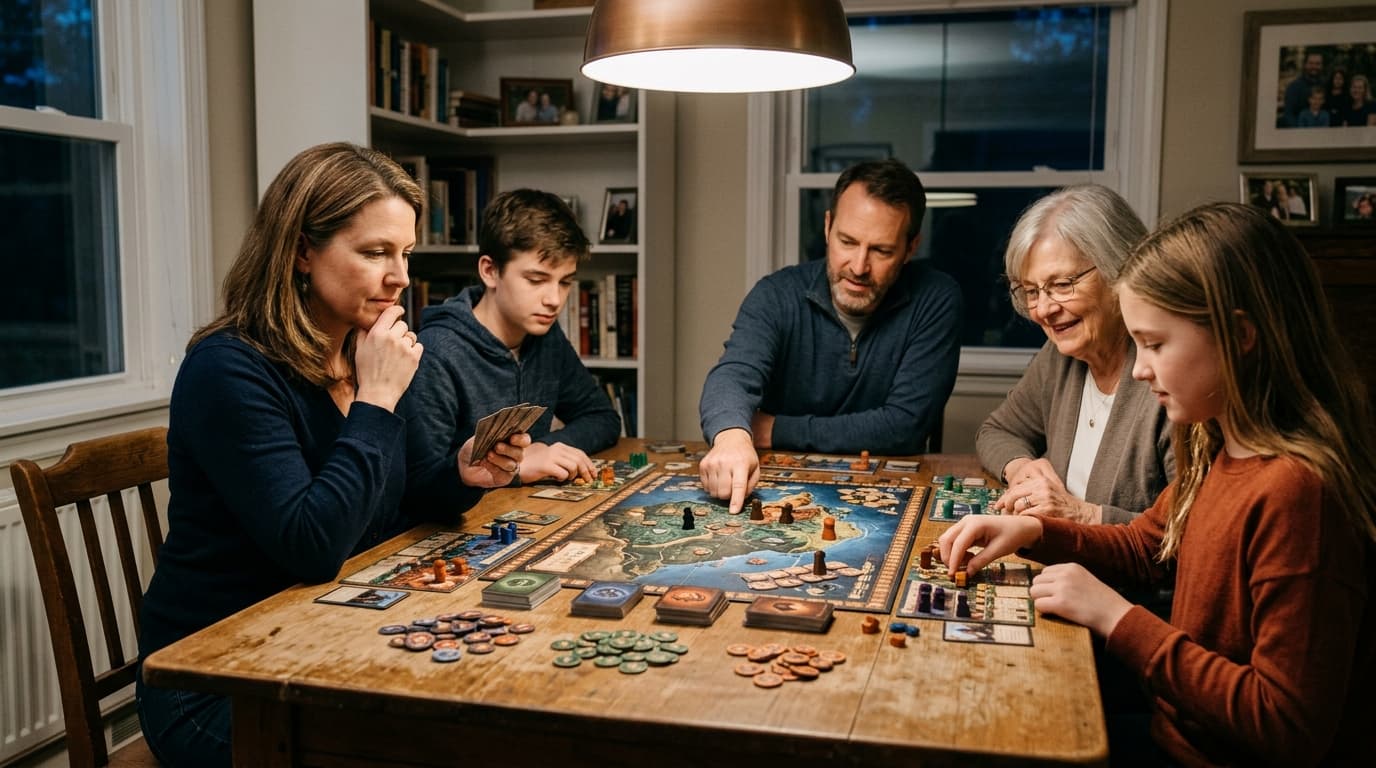
Board games: Display the wheel on a tablet in the center of the table. Spin for movement when the original dice are missing — announce that wheel rolls stand equal to physical rolls for the night.
RPG groups: This embed is a d6 only. Paste d20 faces or custom ranges on the homepage when your campaign needs other dice. Label segments clearly so players know which die they are spinning.
Party games: Pair with charades or truth or dare when a roll decides category difficulty or point values.
Custom dice on the homepage
Paste `1` through `20` for a d20, or repeat faces to mimic weighted house rules. Share the link so every player opens the same wheel before session zero.
Common questions
Is this a true random roll? Yes for everyday games — crypto-backed picks in the browser, not certified for gambling.
Can I roll two dice? Spin twice, or paste twelve segments labeled `Die 1: 4` style on a custom list.
Does order on the wheel matter? No — odds depend on segment count, not position.
Where is fairness explained? Read how fair is a random name picker — same engine for numbers and names.
Probability in the classroom
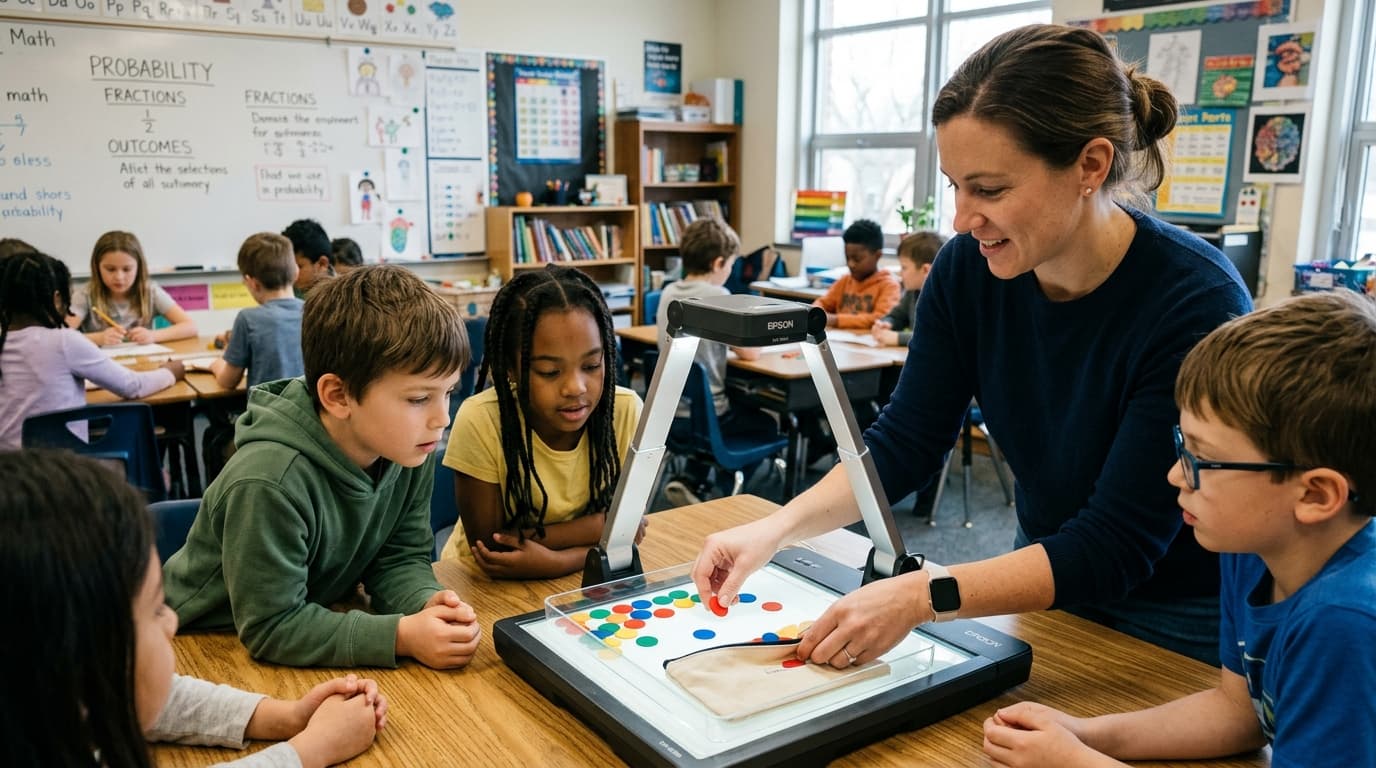
- Expected value demos: Ask students to predict the average of ten spins, then compare to 3.5 for a fair d6.
- Graph paper tally: Each student records one spin; compile class results on the board. Long runs approach uniform distribution; short runs look lumpy — that contrast teaches sampling error better than a lecture slide.
- Compound events: Spin twice and ask whether the sum is more likely to be seven than two — introduce outcome tables without formal jargon in upper elementary.
- Conditional language: "Given that the first spin was six, does the second spin change?" — independent events become intuitive when the wheel resets visibly.
Hybrid lessons: Remote students call spins aloud while in-room students tally on chart paper. Share the homepage link with custom dice when advanced classes need 2–12 sum distributions from two d6 pasted as sequential spins.
Accessibility: Large segment labels help low-vision viewers; read results aloud for students who look away during motion. Reduced-motion OS settings still land on the same pre-chosen face — fairness does not depend on animation speed.
Troubleshooting game-night disputes
When players argue about a roll, replay the rule set, not the animation. If the list included joke faces or house variants someone never agreed to, edit the homepage wheel and spin again with a clean d6. Recording rolls for tournament play — photo the screen at rest — mirrors how teachers screenshot classroom spins for participation logs.
- Timer pressure: Spin at the start of a turn, not mid-argument, so slow rollers cannot negotiate after seeing movement begin.
- Young children: Let them press the spin button while an adult reads the numeral aloud — ownership reduces "you picked wrong" complaints.
Quick dice prompts
- Roll for initiative — highest segment goes first
- Roll for weather in a story — odd sums rain, even sums sun
- Roll for exercise reps — face value equals push-ups or jumping jacks
- Roll for quiz team — tables match closest sum to target number
- Roll for cleanup zones — face maps to chore chart rows
Linking dice to other spinners
Combine wheels when lessons need layered randomness: spin a dice face for quantity, then spin a random color for category — "collect 4 facts about blue ecosystems." Link to random board game picker when game night needs both title and first-player roll, or the random card game picker when the dealer order matters.
Assessment boundary: Use dice spins for practice and engagement; high-stakes grades should not depend on unseeded random rolls unless policy explicitly allows game-based assessment.
Volume tip: Six large segments read well on phones; if you run weekly dice warm-ups, bookmark the homepage list so Monday setup is one tap — same fairness, zero re-paste.
“A shared spin beats a hidden phone roll — the table saw the same six faces before the click.”
Build your own spinner wheel
Paste any list, import a class roster, save history, and share a link — free on the Name Spinner homepage. No account required.
Open full Name Spinner →Related guides

Outdoor Game Picker Wheel — Recess & PE
Pick a random outdoor game with a free spinner wheel. Tag, capture the flag, soccer, and recess classics — ten games ready to spin for PE and camps.
In-page spinner

By Name Spinner
PE Activity Spinner for Teachers
Pick PE activities fairly with a gym-class spinner — field day stations, sub plans, and district-approved game lists. Ten movement games ready to spin.
In-page spinner
By Name Spinner
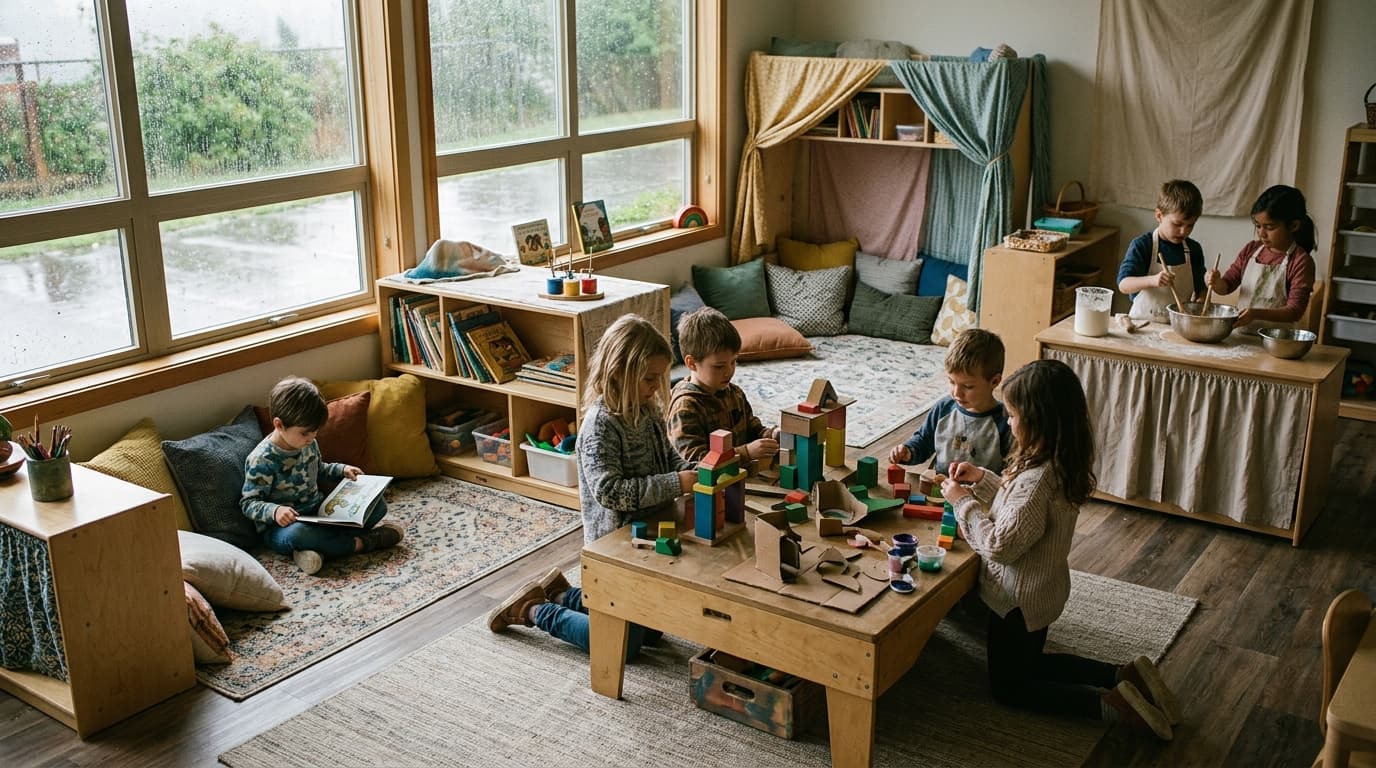
Rainy Day Activity Wheel — Indoor Fun
Spin a random rainy day activity for indoor recess, sub plans, and family weekends. Board games, crafts, baking, and more — ten cozy picks ready to spin.
In-page spinner
By Name Spinner

Random Superpower Picker — Spin the Wheel
Pick a random superpower with a free spinner wheel. Creative writing prompts, PE challenges, and classroom storytelling — ten powers ready to spin.
In-page spinner
By Name Spinner