
Name Spinner
- Spin a random number
Random Number Picker Wheel — Spin 1–100
Pick a random number from 1 to 100 with a free spinner wheel. Classroom math games, raffle lines, and quick decisions — spin instantly, no signup.
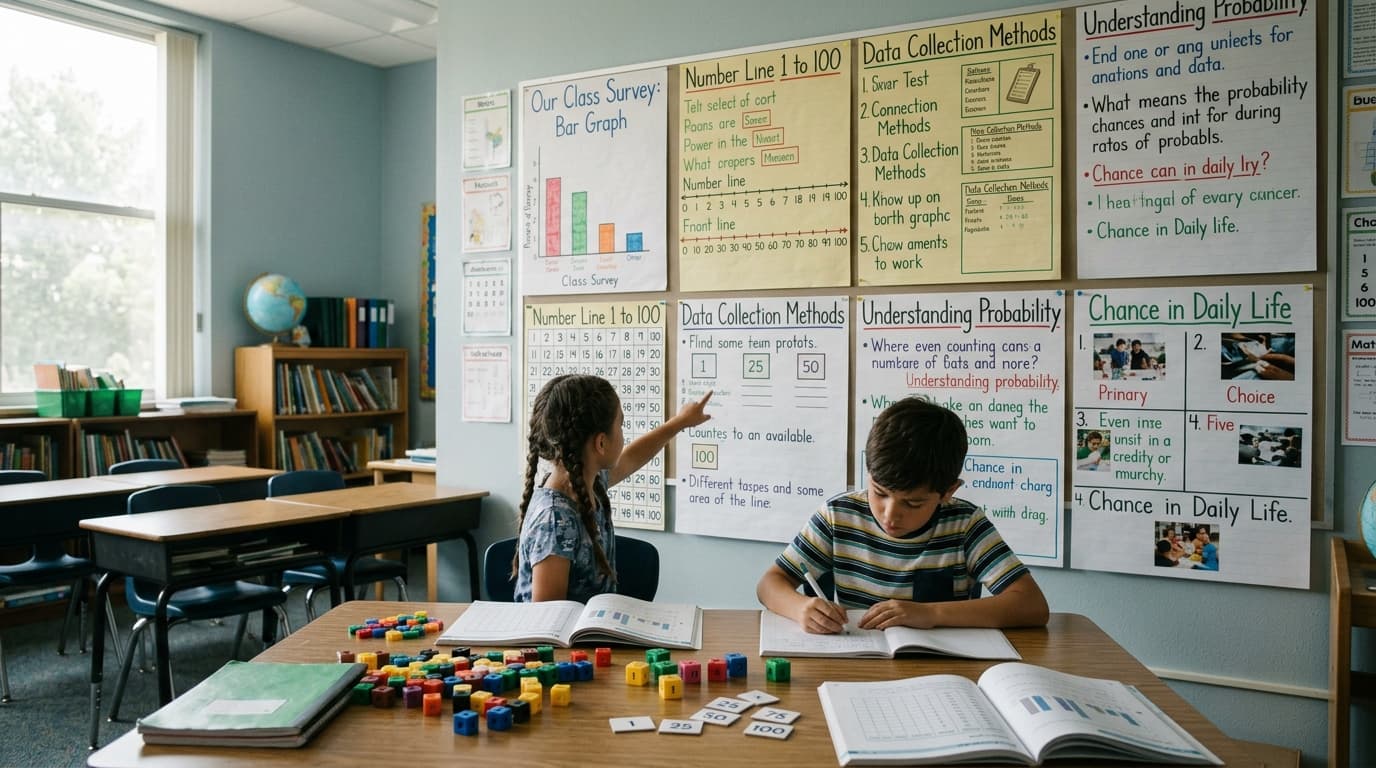
What is a random number picker wheel?
A random number picker wheel turns a range of numbers into equal segments on a circle. Spin once and land on exactly one value — useful when you need a fair draw from 1 through 100 without someone muttering that you picked your favorite digit on purpose.
Teachers reach for number wheels during math warm-ups, line order games, and probability demos. Teams use them for draft order, turn sequence, and icebreakers ("share a fun fact on line number…"). Families spin for board-game moves, chore order, or "how many minutes until we leave?" negotiations that need a neutral referee.
This guide includes a 1–100 number wheel below — one segment per integer, equal odds on every spin. Name Spinner picks the winning segment before the animation finishes, using cryptographically secure randomness in your browser.
Homepage vs this embed: The homepage wheel holds up to 50 names per list. Use the Numbers 1–50 template there for classroom share links, or paste a custom shorter range. This guide's embed loads all 100 integers — use it when you need the full 1–100 wheel without trimming.
When a number wheel beats a calculator
Spreadsheet `RAND()` and phone apps work in isolation, but groups trust outcomes more when the spin is visible on a projector or shared screen. A number spinner wheel shows every candidate at once — no hidden rerolls, no "trust me, I ran it in my head."
- Classroom math: Spin twice and add, multiply, or compare. Spin once for a target sum in mental-math sprints.
- PE and games: Spin for rep counts, lap numbers, or station order.
- Meetings: Spin for agenda item order when every topic feels equally urgent.
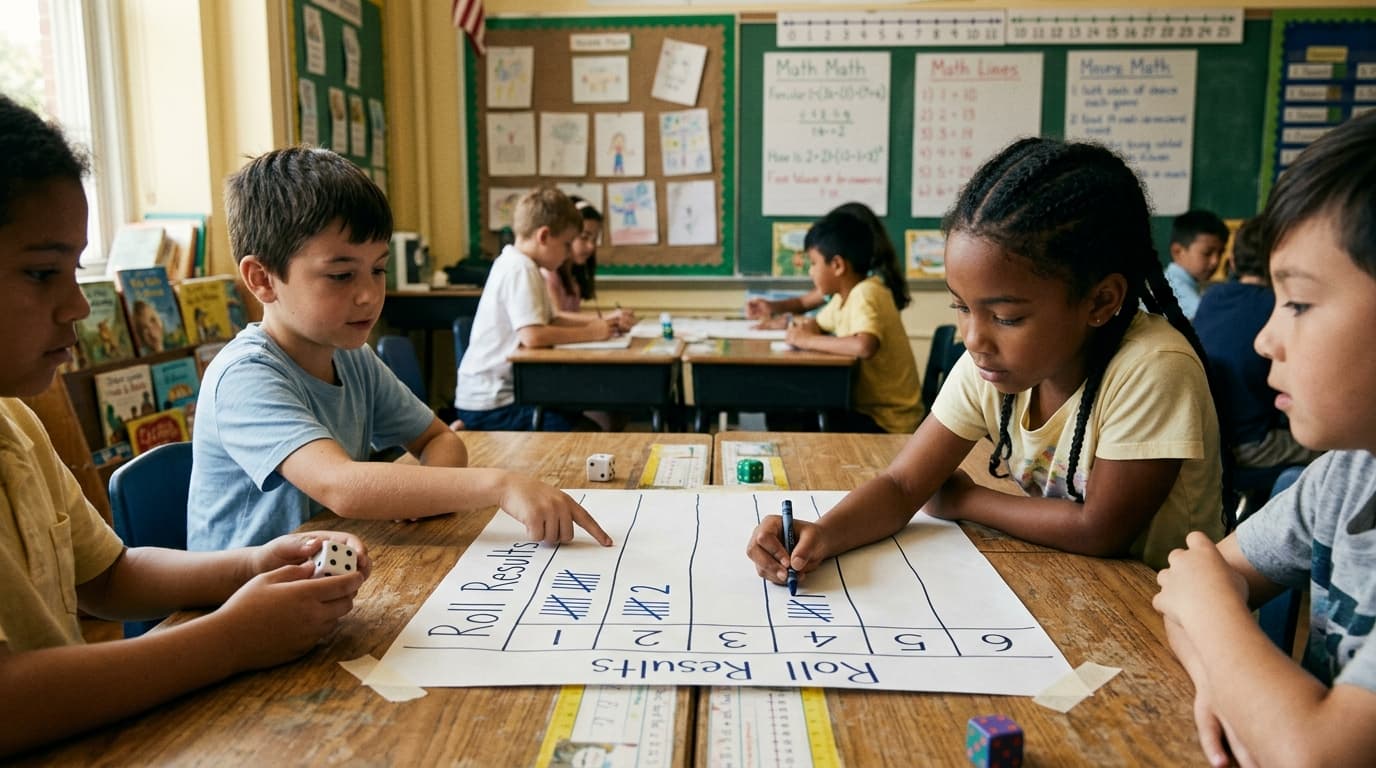
Probability lessons: Run twenty spins, tally results, and compare to the expected uniform distribution. Clusters happen in small samples — that is the lesson, not a bug. Older students can graph outcomes; younger groups practice counting and place value when labels show 1 through 100.
Fairness norm: Say aloud that the computer chose before the wheel slowed down — same message as name pickers. Edge lands still count; the pointer does not get a second vote.
Common uses for a 1–100 number wheel
- Random integer for math drills — spin, then compute with the result
- Line order — assign queue positions without arguing
- Raffle ticket sync — match a spun number to a printed ticket (your list, your rules)
- Board games — replace dice when you need 1–100 or a custom subset on the homepage
- Data sampling — spin row numbers for a class survey demo
- Timer games — spin for seconds or minutes when a stopwatch needs a starting value
Illustrative number wheel notes
100
Numbers on this wheel
Integers 1 through 100 — one equal segment each
1%
Odds per number
Uniform random — unless you add duplicates on a custom homepage list
None
Signup required
Runs in the browser — customize ranges on the homepage
| Range | Example use | Setup tip |
|---|---|---|
| 1–10 | Early elementary counting | Paste one number per line on homepage |
| 1–20 | Addition facts warm-up | Use this guide's 1–20 embed or paste on homepage |
| 1–50 | Homepage template max | Apply Numbers 1–50 in Manage Names on homepage |
| 1–100 | Full integer sampling | Use this guide embed — not the homepage template |
| Multiples of 5 | Skip-counting practice | Paste 5, 10, 15… only on homepage (≤50 lines) |
| Even numbers only | Parity lesson | Half the segments, double the clarity |
Classroom and team tips
Shrink the range for young learners. One hundred segments fit on screen, but labels get tiny. For kindergarten and first grade, build a 1–10 wheel on the homepage so every digit stays readable from the back row.
Pair with topic wheels. Spin a number, then spin a month or weekday for calendar word problems. Cross-linking wheels turns isolated randomness into story problems.
No-repeat rounds. Track used numbers on the board during a game, or enable winner history on the homepage when the same device runs multiple rounds. Independent spins mean repeats are allowed — set that expectation before spin one.
Remote classes. Share a homepage link with your trimmed list so co-teachers and students see the same segments. Screen-share the spin so chat cannot claim you typed the answer.
Common questions
Can I spin 1–1000? This embed stops at 100. The homepage accepts custom lists up to 50 names — paste a subset (for example, 1–50) or use the Numbers 1–50 template. For 1–100 without pasting, stay on this guide embed.
Are decimals included? No — whole numbers only on this wheel. Build custom segments ("0.5", "1.5") on the homepage if you teach fractions as labels.
Is every spin independent? Yes. Landing on 42 twice in a row is unlikely but valid randomness — discuss streaks when teaching probability.
How is this different from a name picker? Same engine, different labels. The random name picker wheel guide covers roster fairness; this guide covers numeric ranges.
Can two numbers win? One segment wins per spin. Spin again for a second value, or remove the winner from a custom list before the next round.
Probability and streaks in the classroom
Uniform randomness does not mean evenly spaced outcomes in a short lesson. Landing on 7 three times in fifteen spins is unlikely but possible — graph class results over a week and compare to the flat 1% expectation per slot on a 1–100 wheel. High school classes can run chi-square discussions; elementary classes practice tally marks and vocabulary like "unlikely" versus "impossible."
Sampling without replacement is a separate lesson from independent spins. If you remove each winning number from the board until the barrel is empty, odds change every round — say that aloud so students do not confuse the two modes. Homepage auto-exclude and manual list edits support no-repeat games; this embed defaults to independent spins with replacement.
Place value and formatting. Spin 8 versus 08 versus eighty — decide whether labels stay numeric strings or whether students must say the word form aloud. ESL classrooms benefit from spinning first and defining the numeral second so vocabulary follows a fair constraint.
Sports and clubs. Draft order, jersey numbers for scrimmage teams, and warmup rep counts all map to number wheels. Coaches who display the spin on a tablet build the same trust norms teachers use for cold calls — visible process, agreed rules, no take-backs after the pointer stops.
“A visible number spin ends 'pick a number between one and hundred' arguments before they start.”

Need calendar prompts too?
Pair numeric spins with month and weekday wheels for scheduling games and writing prompts.
Random month picker →Build your own spinner wheel
Paste any list, import a class roster, save history, and share a link — free on the Name Spinner homepage. No account required.
Open full Name Spinner →Related guides

Car Brand Picker Wheel — Auto & Economics
Spin a random car brand for economics units, design prompts, and trivia nights. Toyota, Tesla, BMW, and more — ten brands ready to spin.
In-page spinner

By Name Spinner

Random Number Picker 1–20
Spin a random number from 1 to 20 with equal odds — free number wheel for classroom games, math drills, warm-ups, and party prompts. No signup.
In-page spinner
By Name Spinner
Spin Wheel for Coins and Dice
Simulate dice rolls with a spin wheel — faces 1–6 with fair odds, plus links to coin-flip tools for probability lessons.
In-page spinner
By Name Spinner
Spin Wheel Math Practice Guide
Practice math facts with a numbers 1–20 spin wheel — random prompts for drills, games, and quick mental math warm-ups in elementary classrooms.
In-page spinner
By Name Spinner