
Name Spinner
- Spin for a Board Game
Random Board Game Picker — Spin the Wheel
Pick a random board game with a free spinner wheel. Family game night, classroom rewards, and dorm shelves — ten classics ready to spin, no signup.
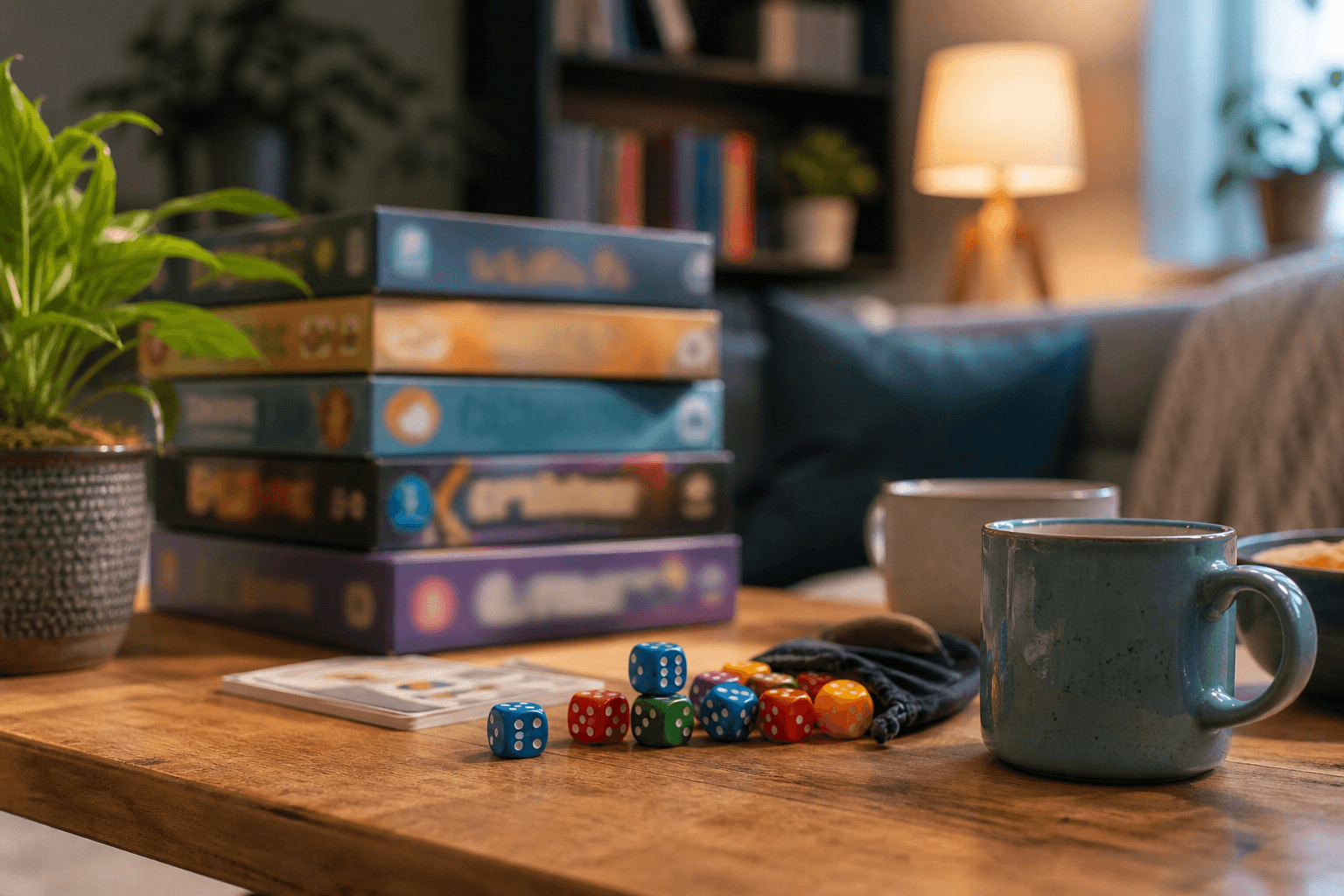
What is a random board game picker?
A random board game picker chooses a tabletop title when you need a fair, visible draw — not the same Monopoly argument every Friday. Use it for family game nights, dorm common rooms, classroom reward periods, or friend groups whose shelves overflow but decisions stall in the group chat. A wheel spreads attention across ten well-known games so Azul and Pandemic get turns alongside Chess and Scrabble.
Game nights often recycle whatever sits eye-level on the shelf. This embed loads ten titles spanning strategy, word, cooperative, and classic family genres. Spin once and set up, or run several rounds with a no-repeat honor system until every box has hit the table this month. Compare with the random card game picker when a deck beats a box, the party game night spinner when charades and acting games share the evening, or the random dance style picker when movement breaks punctuate long strategy sessions.
A wheel beats "someone pick" because everyone watches the spin. That shared ritual ends debates about who always pushes Catan. Edit the homepage list to match your actual shelf — remove games you lent out, add legacy titles you own — then share the link so roommates spin the same pool before pizza arrives.
Honest lists matter: If Risk lives in the attic, remove it until someone retrieves the box. Fifteen-minute setup caps keep momentum; announce them before the first spin.
Ways to use a board game wheel
- Family nights: Spin after chores when energy is uneven — quick Checkers first, long Ticket to Ride later if time allows.
- Friend groups: Rotate who hosts the phone each week; screenshot spins to absent players so they feel included.
- Classroom rewards: Spin among teacher-approved titles only; connect fairness logic to the classroom reward picker when students earn the spin.
- Dorm rooms: Keep lists short — only games that fit one table and match current headcount. Remove six-player titles when three people showed.
- Library programs: Spin among checkout-available games; send patrons home with the title the wheel chose plus a due-date reminder.
- Strategy clubs: Spin for opening tutorial focus — Chess fundamentals versus Go introduction if you swap Go onto a homepage list.
- Cooperative nights: When Pandemic lands, assign roles randomly with a second spin from player names on the homepage.
- Remote parallel play: Friends in different cities spin the same title locally, then share photos in chat — parallel game night without shipping boxes.
- Rain plans: Replace cancelled outdoor plans with an indoor spin instead of reopening the "what now?" thread.
Agree on mulligan rules upfront — one re-spin per month if components are missing is reasonable if announced early. Charades crossover: If you maintain a hybrid list, pair acting prompts from charades topic spinner when party games share the evening with tabletop spins.
- Snack pairing: Spin movie snack picker while setup runs — multitask without ignoring hunger.
- Time boxes: Two-hour cap — if Risk lands, play a shortened scenario rather than marathon midnight sessions unless the group opted in.
- Streaming tutorials: Watch a rules video while snacks cook.
- Legacy titles: Paste childhood favorites onto the homepage when nostalgia night beats trendy gateway games.
- Classroom stations: Spin among five-minute micro-games between lessons; reset attention without losing a full period.
- Tournament brackets: Photo spin results on a fridge bracket — best-of-three spins across the month turns shelf dust into a visible family challenge.
Game types on this wheel
- Classic family — Monopoly, Clue, Checkers
- Word & abstract — Scrabble, Chess
- Strategy & area control — Risk, Settlers of Catan
- Cooperative — Pandemic
- Modern gateway — Ticket to Ride, Azul
Illustrative example only — rounded categories for shelf planning, not sales data.
Building an honest shelf list
- Player counts: Tag minimum and maximum on sticky notes near the TV; edit the homepage list before spin when headcount is fixed.
- Age gates: Remove strategy-heavy titles when young kids join — spin among junior-friendly options only.
- Learn-a-game nights: Homepage tag "never played" titles — spin only among new boxes monthly so collections stop gathering dust.
- Accessibility: Choose games with large print, tactile components, or app-assisted versions when group needs vary — edit proactively rather than apologizing after a spin.
- Teaching parents: Spin kid titles before bedtime, adult titles after — same tool, different saved links.
Fairness and scope
Every game has equal odds each spin. Popularity at your table does not change segment size — discuss streaks statistically when Catan wins three times running. Expand to card games, dice games, or RPG one-shots on the homepage when "board game" means broader tabletop culture in your house.
Questions game hosts ask
Party spinner versus this embed? Party list includes charades and card games; this embed focuses on board-style boxes — customize either on the homepage.
Missing components? Mulligan rule or temporary homepage removal — honesty beats forced setup.
Combine with dance breaks? Alternate dance style spins between long strategy games to reset energy.
Assessment tip: Classroom reward spins should use pre-approved titles only; do not spin gambling-adjacent stakes without district guidance.
- Holiday gifting: Spin Azul or Ticket to Ride when choosing which boxed game to wrap — screenshot spin to siblings abroad so everyone buys the same title for cousins.
- Streaming watch-along: Some groups spin a board game, then watch a tabletop tutorial video together before playing — lowers rules confusion without replacing the physical box.
- Debate club warm-up: Spin Chess, assign opening argument structure metaphor — pawn advances versus queen mobility — as rhetorical framing exercise unrelated to actual chess skill.
“One visible spin beats twenty minutes of 'what do you want to play?' — the shelf still wins, but the wheel picks which box comes down.”
| Game | Typical player count |
|---|---|
| Monopoly | 2–6 — budget extra time |
| Chess | 2 — quick start |
| Pandemic | 2–4 — cooperative roles |
| Ticket to Ride | 2–5 — moderate setup |
| Azul | 2–4 — short gateway session |
| Scrabble | 2–4 — dictionary nearby |
Build your shelf list
Paste only games you own and can set up in fifteen minutes — share the link with roommates or family.
Create a custom board game wheel →Build your own spinner wheel
Paste any list, import a class roster, save history, and share a link — free on the Name Spinner homepage. No account required.
Open full Name Spinner →Related guides

Outdoor Game Picker Wheel — Recess & PE
Pick a random outdoor game with a free spinner wheel. Tag, capture the flag, soccer, and recess classics — ten games ready to spin for PE and camps.
In-page spinner

By Name Spinner
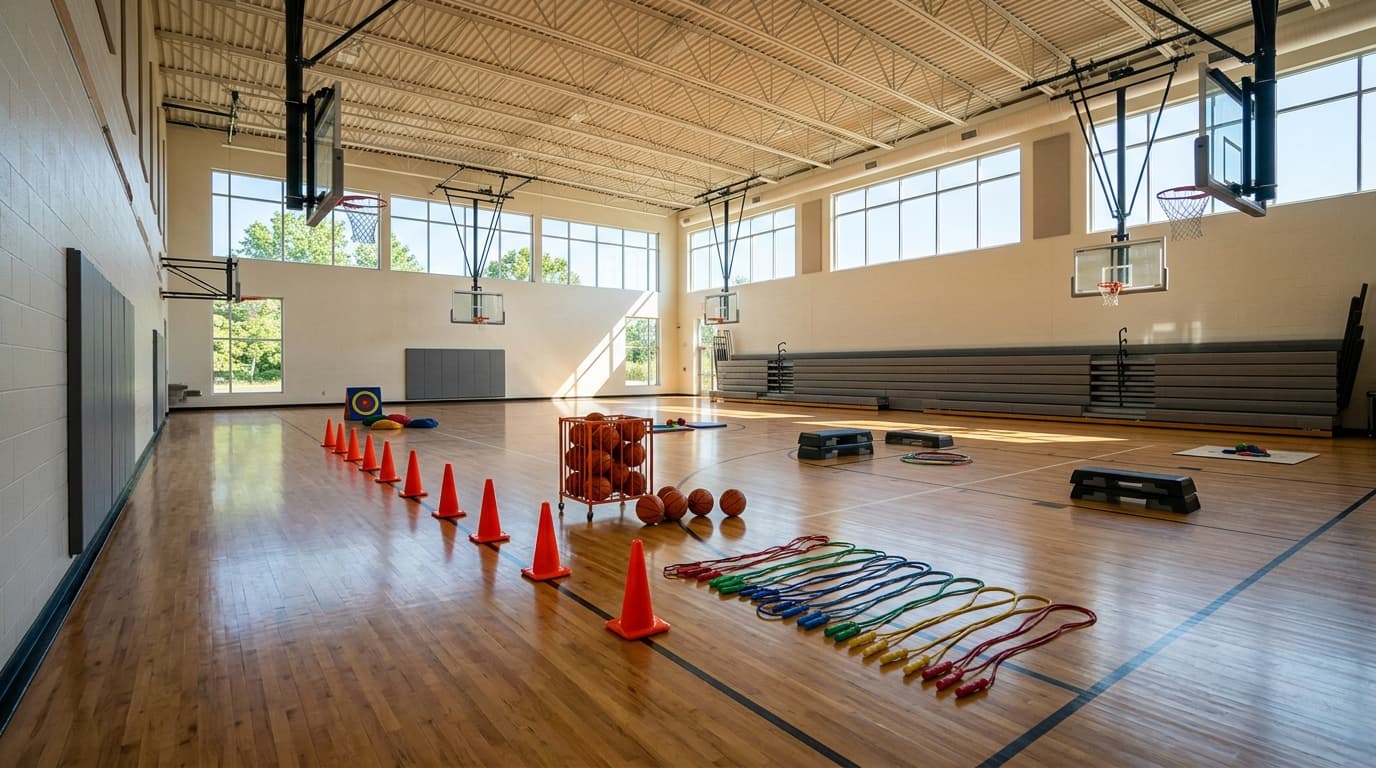
PE Activity Spinner for Teachers
Pick PE activities fairly with a gym-class spinner — field day stations, sub plans, and district-approved game lists. Ten movement games ready to spin.
In-page spinner
By Name Spinner
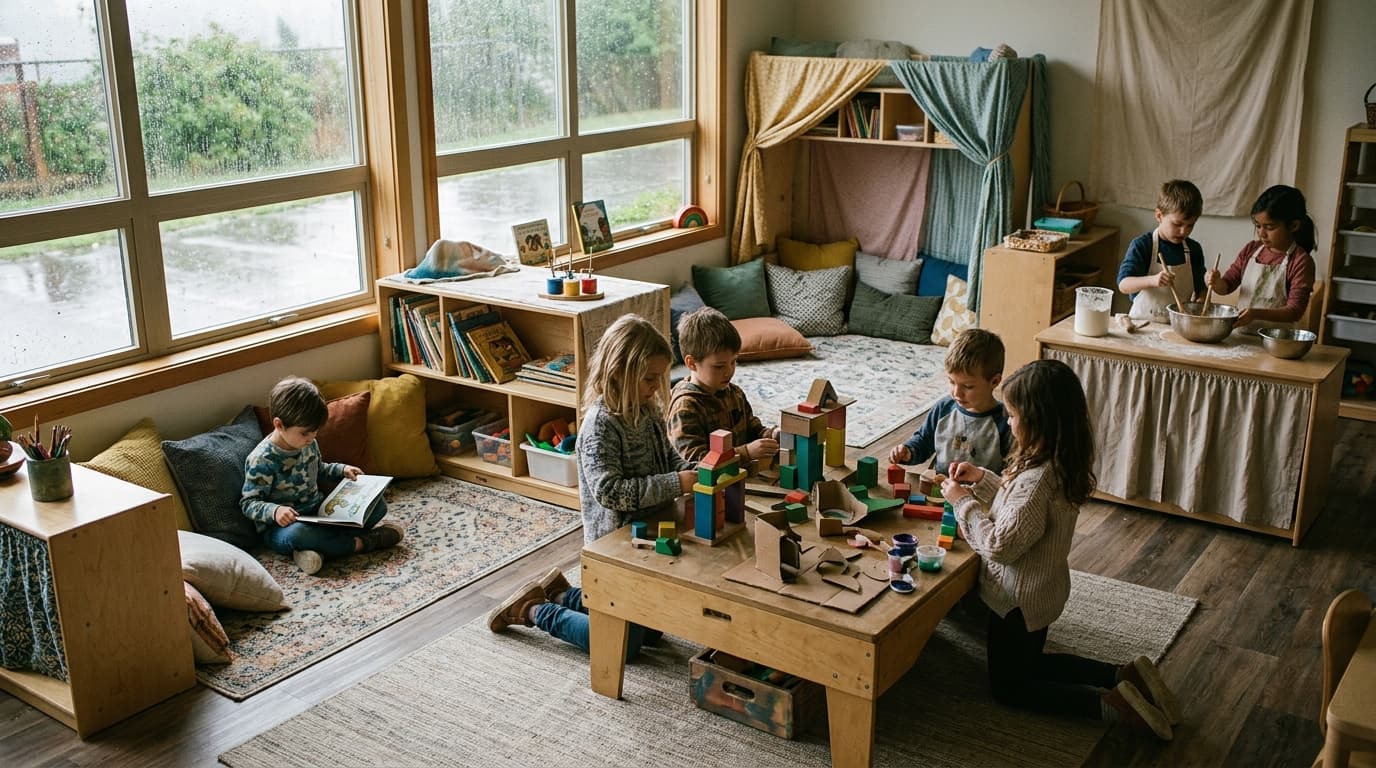
Rainy Day Activity Wheel — Indoor Fun
Spin a random rainy day activity for indoor recess, sub plans, and family weekends. Board games, crafts, baking, and more — ten cozy picks ready to spin.
In-page spinner
By Name Spinner

Random Superpower Picker — Spin the Wheel
Pick a random superpower with a free spinner wheel. Creative writing prompts, PE challenges, and classroom storytelling — ten powers ready to spin.
In-page spinner
By Name Spinner