
Name Spinner
- Spin a fair student pick
Fair Student Picker — Classroom Unbiased Guide
Fair student picker for teachers — unbiased classroom wheel, no-repeat mode, and crypto-backed spins. Demo roster, no signup required.

Why fairness matters in a student picker
Students notice patterns. When the same three volunteers answer every question, the rest of the class checks out. When picks feel biased — always front row, always loud voices, always the teacher's favorites — trust erodes faster than one unfair spin can repair. A fair student picker makes selection visible and rule-bound: everyone watches the wheel slow down, everyone accepts the same odds, and re-spins happen only for reasons you announced on day one.
This guide focuses on unbiased classroom random name selection — not generic wheel mechanics (see classroom name picker guide) and not head-term SEO fluff. You will learn how Name Spinner picks winners, how auto-exclude spreads turns across a week, and how to talk about randomness so edge-of-slice disputes fade.
The demo wheel below uses a sample roster. Paste your real class on the Name Spinner homepage, enable no-repeat when every student should speak before anyone goes twice, and share the link with substitutes so they spin the same fair list you use.
What makes a student picker unbiased?
Equal segments, equal odds. Each name on the wheel gets one slice unless you deliberately duplicate a name or add weighted tickets (raffle-style — announce weights aloud if used). Twelve unique names means one-in-twelve per spin.
Winner chosen before animation. Name Spinner selects the winning index first, then rotates the wheel to land there. The pointer does not "almost miss" and re-roll — a common student misconception. Say once per unit: *"The computer already chose; we are watching it land."*
Crypto-backed randomness. Picks use `crypto.getRandomValues` in the browser, not a weak predictable formula. Read the full methodology in how fair is a random name picker.
Transparent display. Project the wheel when possible. Secret picks on a phone at your desk look like favoritism even when they are not.
Rule-bound re-spins. Acceptable: absent student, typo in name, technical glitch. Unacceptable: student groaned, "they already went" when no-repeat was off, teacher prefers a different answer. Write rules on the board; enforce consistently.
Fairness practices teachers use
- Remove absent students before every spin — odds match who is in the room
- Enable auto-exclude / no-repeat when participation should spread evenly
- Use first and last names when duplicates exist in the roster
- Cold-call after the spin, not before — everyone prepares equally
- Track homepage winner history weekly against your gut-check of who spoke
- Let a student press spin occasionally — ownership reduces rigging accusations
- Pair with wait time — fairness in selection plus fairness in thinking time
Illustrative fair picker notes
22
Demo roster size
Replace with your class on homepage
1/n
Per-student odds (unique names)
n = names on wheel before spin
None
Data sent to server
Browser-local picks and storage
| Pattern | Risk | Wheel fix |
|---|---|---|
| Front-row bias | Teacher sees eager hands first | Random segment ignores seating |
| Reputation bias | Quiet students rarely called | Equal odds each spin |
| Gender patterns | Unintentional imbalance over weeks | History + auto-exclude surface gaps |
| Volunteer loops | Same experts dominate | Cold-call spin before question reveal |
| Substitute guesswork | Guest teacher calls wrong name | Shared homepage link with roster |
Auto-exclude and no-repeat mode
Independent spins treat every name as eligible every time — valid for quick games. No-repeat participation removes or skips recent winners until everyone has had a turn — better for week-long discussion equity.
On the homepage, enable auto-exclude when you want the tool to remember who was picked recently. The blog embed is session-only — perfect for demos, but switch to the homepage for persistent fairness across Monday through Friday.
Deep dive: random student picker no repeat. When auto-exclude is off, say so aloud so students do not assume rotation you are not enforcing.
Talking to students about fairness
- Elementary: "The wheel does not know your grades or your seat. It only sees names."
- Middle school: Connect to probability units — short runs look unfair; long runs approach equal shares.
- High school: Acknowledge that random ≠ perfectly balanced every week; use history exports to audit participation if policy requires.
Equity audits: If data shows certain groups rarely selected over a month, combine random picks with structured protocols (think-pair-share, written responses) — the wheel is one tool, not the whole participation strategy.
Substitutes and co-teachers
Build one homepage URL with the canonical roster. Sub plans say: "Open link, remove absent names, spin for cold calls — do not pick from memory." Substitute teacher name picker expands handoff tips.
Common questions
Can I weight star students? Weighted tickets exist for raffles you announce — do not secretly weight participation spins.
What about IEP accommodations? Human judgment overrides randomness when plans require it — remove a name or offer alternate response mode without shame.
Is the demo wheel fair? Same engine as homepage — crypto-backed, pre-animation winner.
Hybrid classes? Share screen; remote students see the spin. In-room student presses the button when possible.
Free? Yes — free random name picker guide lists no-signup features.
Pairing fair picks with instructional moves
Random selection picks who speaks; good teaching still needs wait time, sentence frames, and peer rehearsal. After the wheel stops, give ten seconds of think time before the student answers — fairness in process, not just fairness in name choice.
- Participation logs: Some teachers export weekly history and note which students needed passes — patterns inform seating changes or check-ins, not public shame.
- Restorative moments: If a spin lands on a student having a hard day, your pre-agreed pass rule applies without explaining personal details to the class.
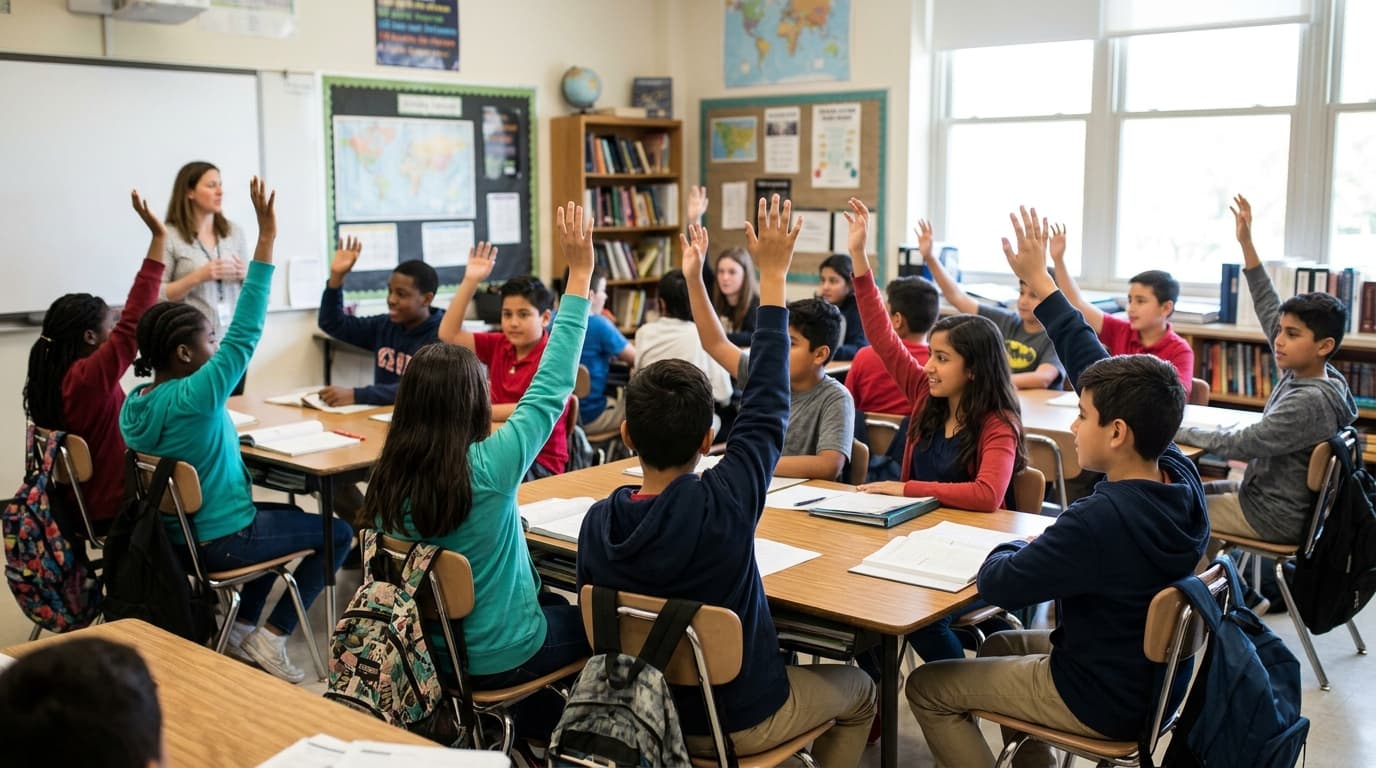
Signs your picker practice is working
- Fewer 'you always pick them' comments mid-semester
- More eyes up during cold-call spins
- Students remind substitutes to use the link
- Volunteers decrease but engagement stays steady
- You spend less mental energy choosing names
Admin and parent conversations
When parents ask how participation works, describe visible random selection, posted re-spin rules, and local-only data. Link the fairness guide in syllabus FAQ sections — transparency prevents conference surprises.
- label: "Monday" body: "Paste roster, remove absences, confirm no-repeat setting matches your policy." - label: "Daily" body: "Spin before revealing question; enforce pass rules consistently." - label: "Wednesday" body: "Glance at winner history — anyone silent three days straight?" - label: "Friday" body: "Reset or export list; celebrate that spins were public all week."
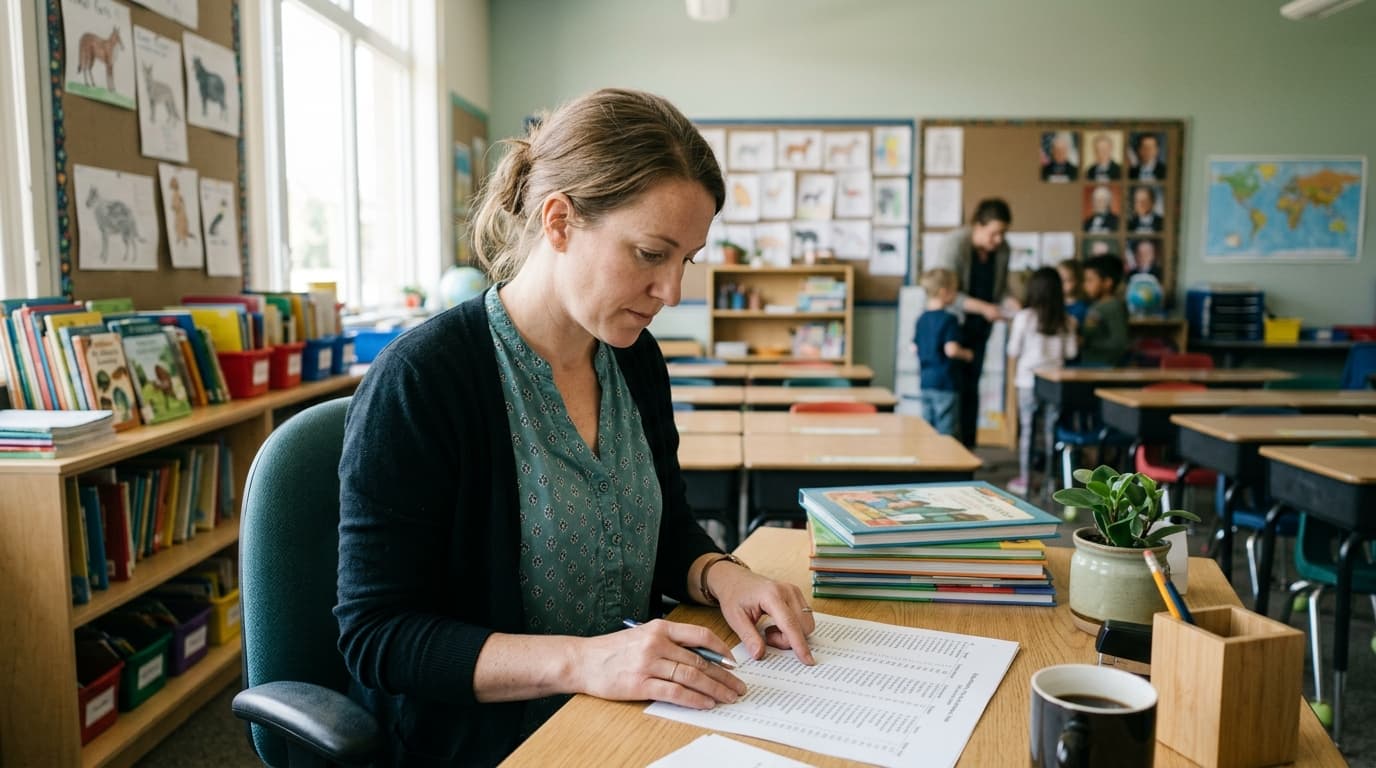
“Students trust the picker when the rules are posted and the spin is on the projector — not when the teacher whispers a name from the desk.”
Build your own spinner wheel
Paste any list, import a class roster, save history, and share a link — free on the Name Spinner homepage. No account required.
Open full Name Spinner →Related guides
Random Student Picker — No Repeats
Random student picker with no repeats — auto-exclude spreads turns fairly across your class. Free demo wheel; paste your roster on the homepage.
In-page spinner

By Name Spinner
Substitute Teacher Name Picker
Guest teachers can spin a fair random name picker with a demo class roster — no setup, no account. Share a link from the full tool for your real list.
In-page spinner
By Name Spinner
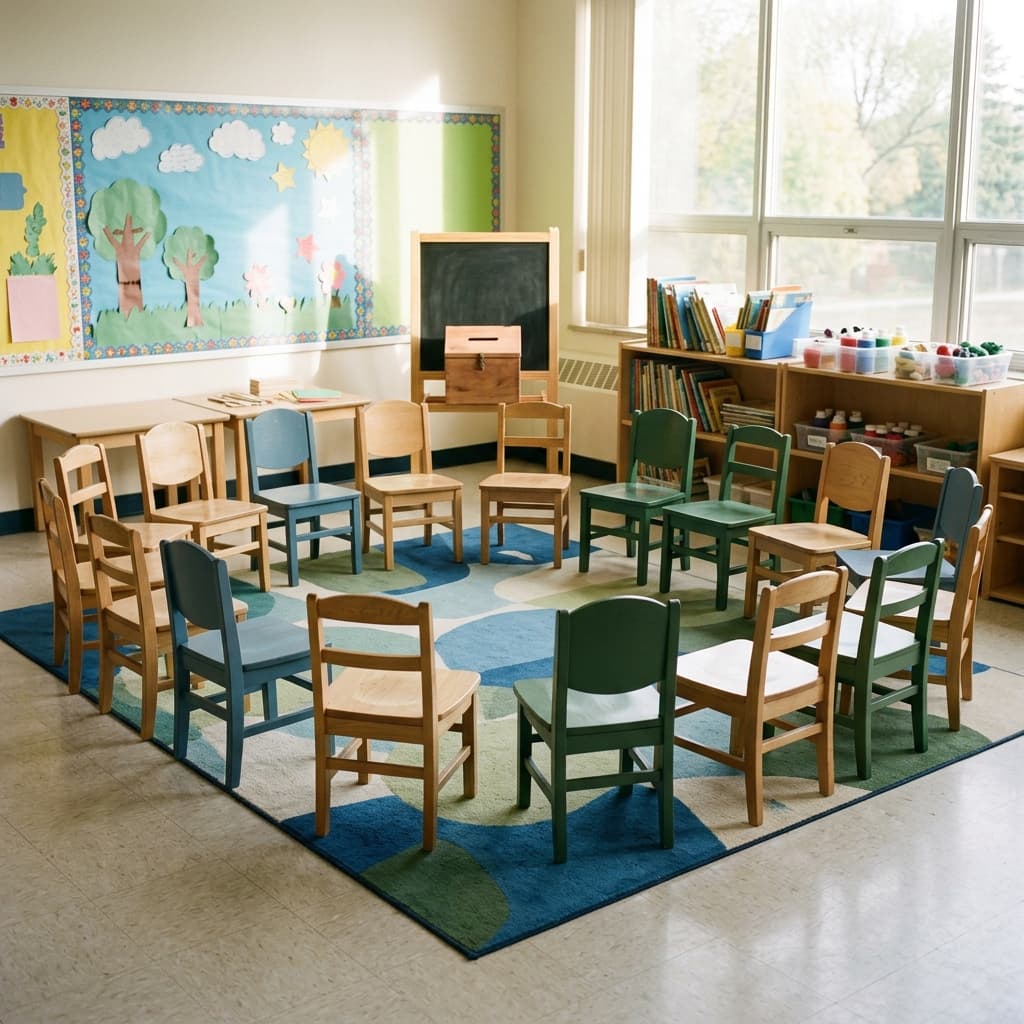
How to Use a Random Name Picker Wheel in the Classroom
Classroom random name picker for teachers — fair student selection, demo roster wheel, substitute handoffs. Free, no signup, crypto-backed spins.
In-page spinner
By Name Spinner
Beverage Picker Wheel — Spin for a Drink
Pick a random drink with a free beverage spinner wheel. Morning routines, party mocktails, and classroom hydration prompts — ten drinks ready to spin.
In-page spinner
By Name Spinner