
Name Spinner
- Spin for a Weather Condition
Random Weather Picker — Spin the Wheel
Pick a random weather condition with a free spinner wheel. Sky journaling, climate literacy games, and family weather activities — ten conditions ready to spin.
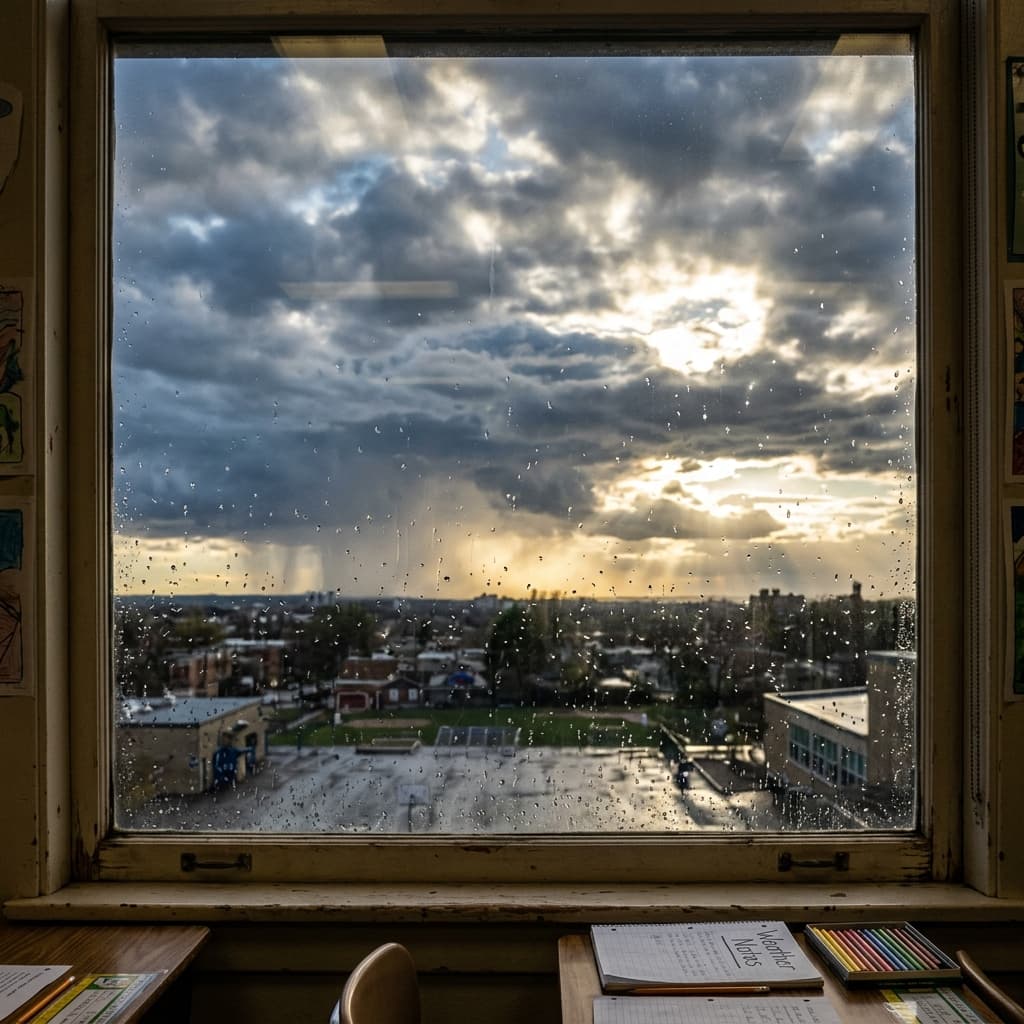
Weather units beyond the daily forecast screenshot
Elementary and middle-school science standards ask students to observe patterns in the sky, but worksheets with clipart suns feel stale by October. A random weather picker spins real conditions — Sunny, Rainy, Cloudy, Stormy, and the rest of the template list — so students journal, role-play, or research against a visible outcome instead of guessing what the teacher wanted. The spin is fair: each condition occupies one equal slot, so Foggy is as likely as Hot on any single turn.
Creative weather units assign sky journals: spin at homeroom, photograph or sketch the actual sky that day, then annotate how real conditions aligned or diverged from the spun label. Misalignment is interesting science — a Sunny spin on a hazy day opens talk about aerosols and reduced visibility. Alignment reinforces observation skills.
Climate literacy enters when conditions repeat across weeks. Track spins versus local NOAA summaries; discuss whether streaks of Hot or Humid correlate with heat waves in your region or whether random picks have zero predictive power — excellent distinction between classroom variety and forecasting. Older students build single-slide presentations: "If today's weather matched this spin, which atmospheric mechanism explains it?" Younger students sort clothing cards for the spun condition — boots for Rainy, sunglasses for Sunny.
Pair with the weather condition picker guide for full meteorology unit scaffolding, or the color picker guide when art teachers want hue-based sky metaphors instead of condition labels. Custom labels — "Shelf cloud," "Sun dog" — paste onto the Name Spinner homepage when ten base conditions feel too narrow for your storm-chaser club.
- Preschool weather circle: Spin condition, sing one matching weather song, glance out the window — thirty seconds total, daily routine.
- Middle school data: Download local hourly conditions CSV for spin week, highlight rows where sky photographs match spun labels.
- High school GIS extension: Overlay radar loops when Stormy or Cloudy dominate spins during storm units.
Sky journaling workflow across a month
- Monday: Spin condition, five-minute cloud sketch.
- Wednesday: Spin again, compare barometric pressure from classroom sensor or weather app screenshot.
- Friday: Write six sentences linking both spins to weekly weather trends without using banned clichés like "nice out."
- Share: Gallery walk of journals; peers guess which spin prompted which entry.
- Creative writing: Personify the spun condition as a weather spirit visiting town — narrative for ELA, classification rubric for science when students label factual statements in margins.
- Art crossover: Watercolor wash inspired by the spin; layer graphite cloud forms on top when dry.
Equity and trauma-aware teaching: Severe weather anxiety is real. Avoid spinning during active tornado warnings or smoke events; switch to indoor climate career research instead of sky gazing when community stress is high. Conditions describe observation prompts, not emergencies.
Probability sidebar: ten slots mean roughly ten percent per condition per spin. Run forty spins across homeroom classes; compare tallies to expectation. Clusters of Rainy in wet season might correlate with season but not with wheel mechanics — separate correlation from causation in discussion.
- Instrument connections: Spin Sunny, listen to one classical piece evoking clear skies; spin Stormy, compare to minor-key motifs — music class co-teaching without full period handoff.
- Photography club: Students shoot one photo per spun condition matching sky that week; end-of-term gallery shows label versus meteorology side by side.
- Substitute kits: Leave condition flashcards and spin URL in folder — any adult can run five-minute observation journal opener.
- label: "Clear / warm cues" value: 31 - label: "Precipitation & storm cues" value: 38 - label: "Visibility / wind cues" value: 31
Condition spin → observation prompt
- Sunny — Measure shadow length at noon; relate to sun angle
- Cloudy — Estimate cloud cover percentage using octant sky view
- Foggy — Identify visibility limits and ground-level cloud formation
- Hot — Discuss heat index versus air temperature readings
- Stormy — Argue whether thunder requires lightning — cite evidence
| Condition | Meteorology term to introduce |
|---|---|
| Sunny | High pressure / fair weather association |
| Cloudy | Overcast — stratus coverage language |
| Stormy | Thunderstorm structure and lightning safety |
| Windy | Pressure gradient and gust measurement |
| Humid | Dew point versus relative humidity |
“Linking sky observation to a spun condition gives reluctant writers a concrete label before they ever open a vocabulary list about fronts and systems.”
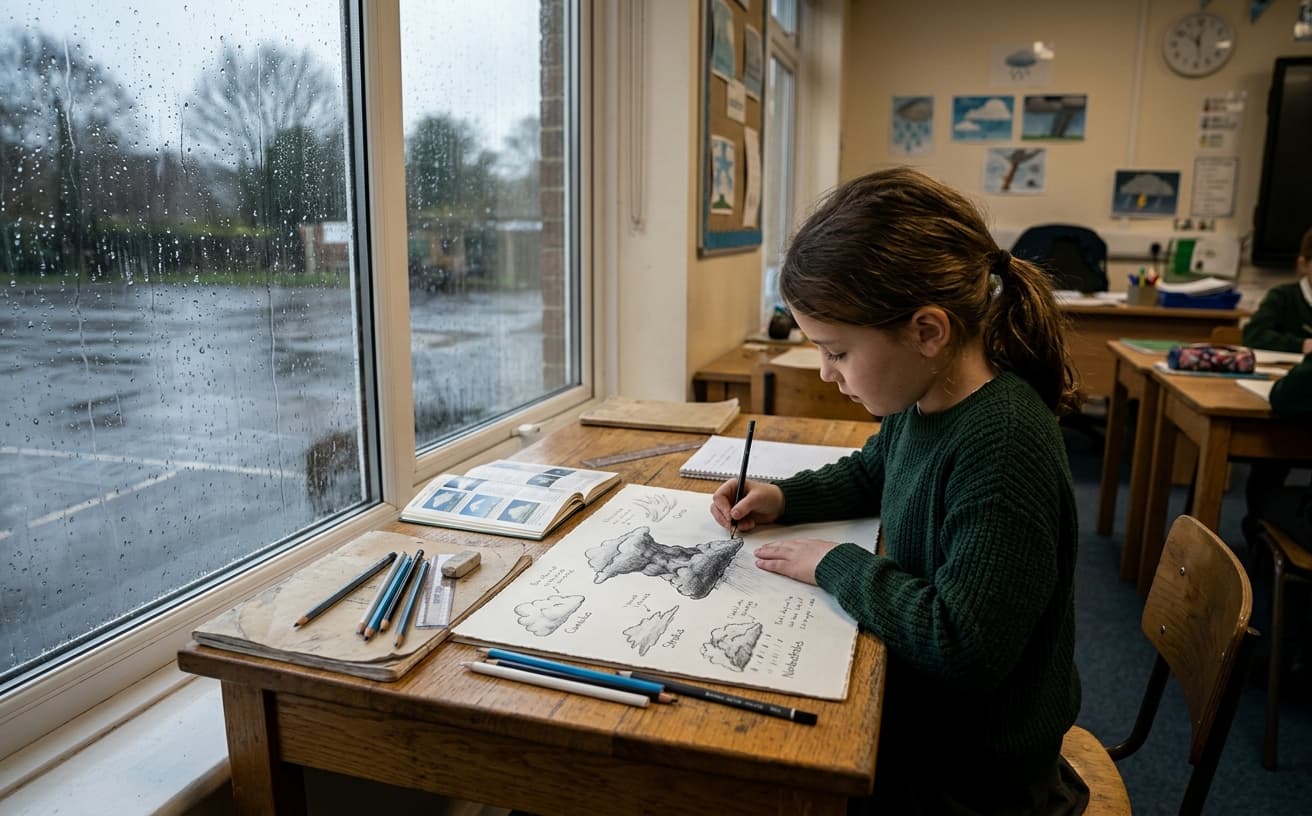
Pair with the month wheel
Spin month for seasonal baseline, then spin condition for daily journal — compare how expectations shift from January Snowy to July Hot.
Open the random month picker →
Differentiating the creative weather unit
- SPED supports: Provide printed condition icons beside wheel labels for students who struggle with reading.
- ELL supports: Bilingual weather glossaries beside spin results.
- Gifted extension: Build a homepage wheel of cloud genera — cumulus, cirrus, stratus — and spin after condition for two-layer prompts.
Questions from teachers planning units
Is this a replacement for the weather condition picker post? No — that guide focuses structured meteorology units; this one emphasizes journaling, games, and family-friendly spins with the same template list. Can we spin twice for morning and afternoon? Yes — track diurnal change between spins. Does the wheel forecast real weather? Labels are classroom prompts; students match real skies through observation, not through predictive mechanics.
Share spin screenshots in LMS announcements so remote students journal the same prompt as in-person peers. Assessment: One week of entries plus one paragraph reflecting on which condition was hardest to connect to real data — metacognition credit.
- Family science nights: Set up a spin kiosk beside cloud identification poster; parents and children journal together.
- Broadcast journalism: Student news team reports tomorrow's spun condition as a whimsical forecast opener before delivering actual meteorology from licensed sources — humor with factual follow-through.
- Seasonal compare: Revisit the same spin list in winter versus spring; students write contrast essays on how observation prompts shift with hemisphere season.
- Emergency drill integration: During tornado drill debrief, spin Stormy or Cloudy to discuss sky signs teachers watch — separate drill procedures from meteorology curiosity.
- ELA rubric: Grade sky journals on observation specificity — "stratus covering eight tenths of sky" beats "lots of clouds" — after the spin supplies a concrete hook.
- Climatology career day: Invite a meteorologist when the unit ends — students ask how pros use radar versus their classroom journals.
- Canvas LMS module: Weekly spin screenshot embedded in announcements so hybrid students sync prompts without email chains.
Gifted extension: Students build a second homepage wheel of cloud genera, spin both condition and cloud type, then present a two-paragraph forecast script that separates classroom variety from measurable forecast variables.
Kindergarten adaptation: Spin condition, match construction-paper strip to sky photo from window — tactile, fast, and repeatable daily without lengthy writing demands.
Build your own spinner wheel
Paste any list, import a class roster, save history, and share a link — free on the Name Spinner homepage. No account required.
Open full Name Spinner →Related guides

Weather Condition Picker — Science Class
Spin a random weather condition for meteorology units, journal prompts, and morning meetings. Sunny, stormy, humid, and more — ten conditions ready to spin.
In-page spinner

By Name Spinner

Gemstone Picker Wheel — Earth Science
Spin a random gemstone for geology units, jewelry design prompts, and museum field trips. Diamond, ruby, amethyst, and more — ten stones ready to spin.
In-page spinner
By Name Spinner
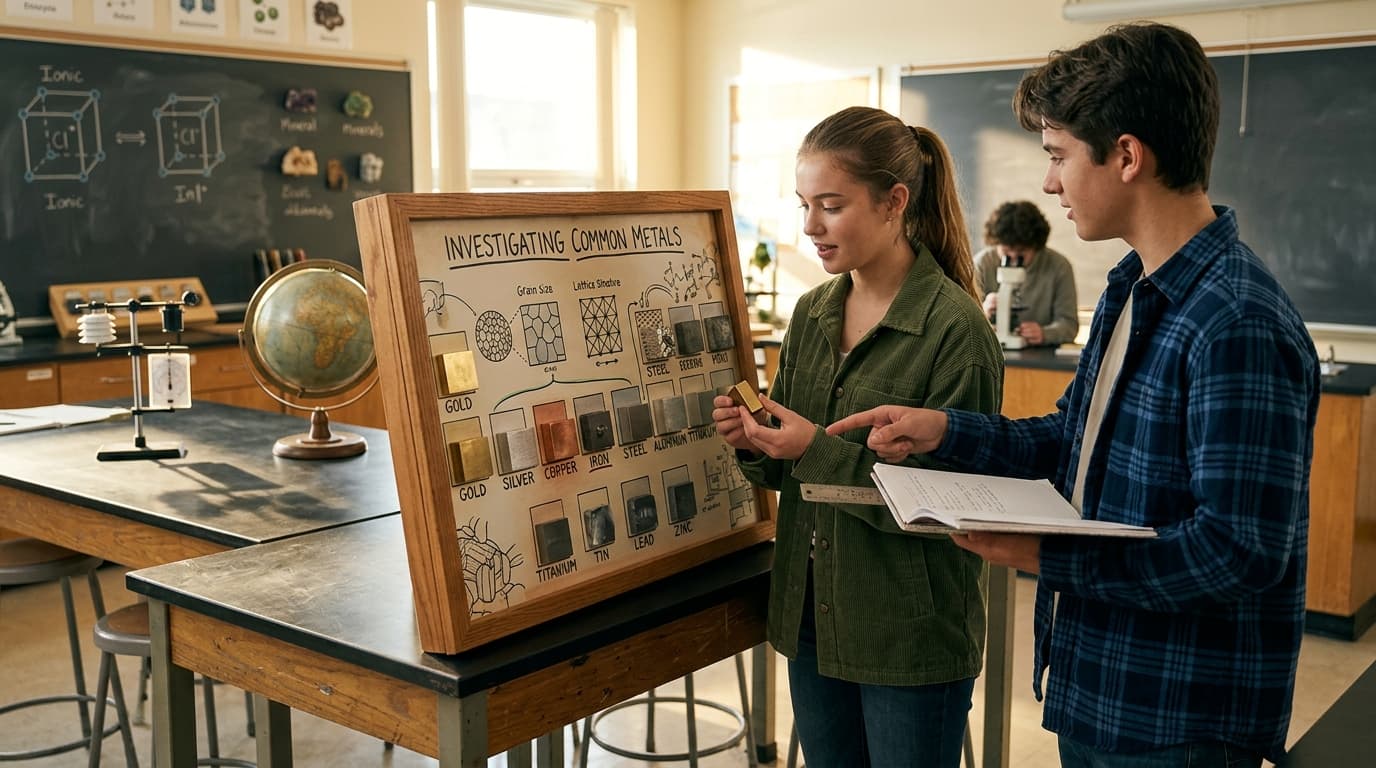
Metal Picker Wheel — Materials Science
Spin a random metal for chemistry labs, shop class, and materials units. Gold, steel, titanium, and more — ten metals ready to spin.
In-page spinner
By Name Spinner
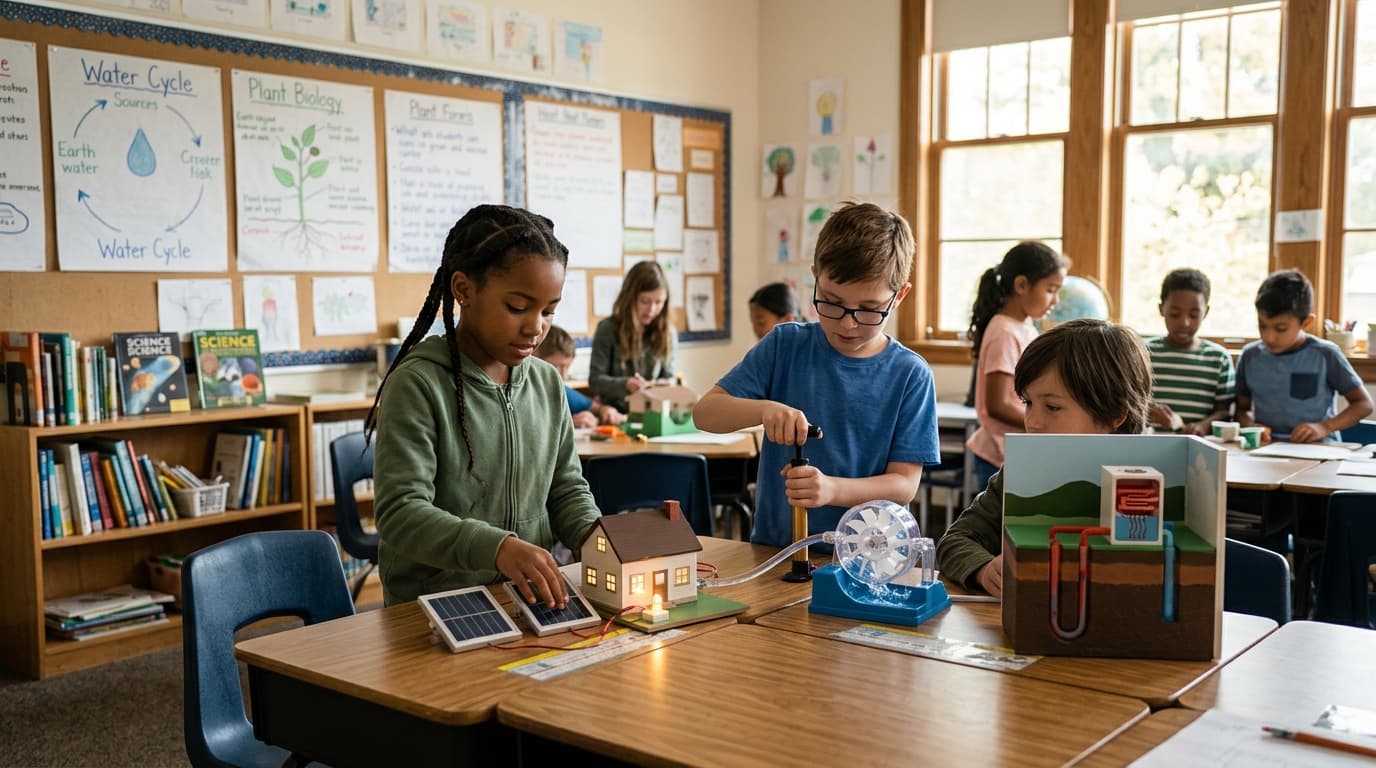
Renewable Energy Picker — STEM Lesson
Spin a random renewable energy source for science units and Earth Day projects. Solar, wind, hydro, and more — ten sources ready to spin in class.
In-page spinner
By Name Spinner