
Name Spinner
- Spin for a space object
Space Object Picker — Astronomy Unit
Spin a random space object for astronomy units, sci-fi writing, and planetarium trips. Star, galaxy, black hole, and more — ten objects ready to spin.
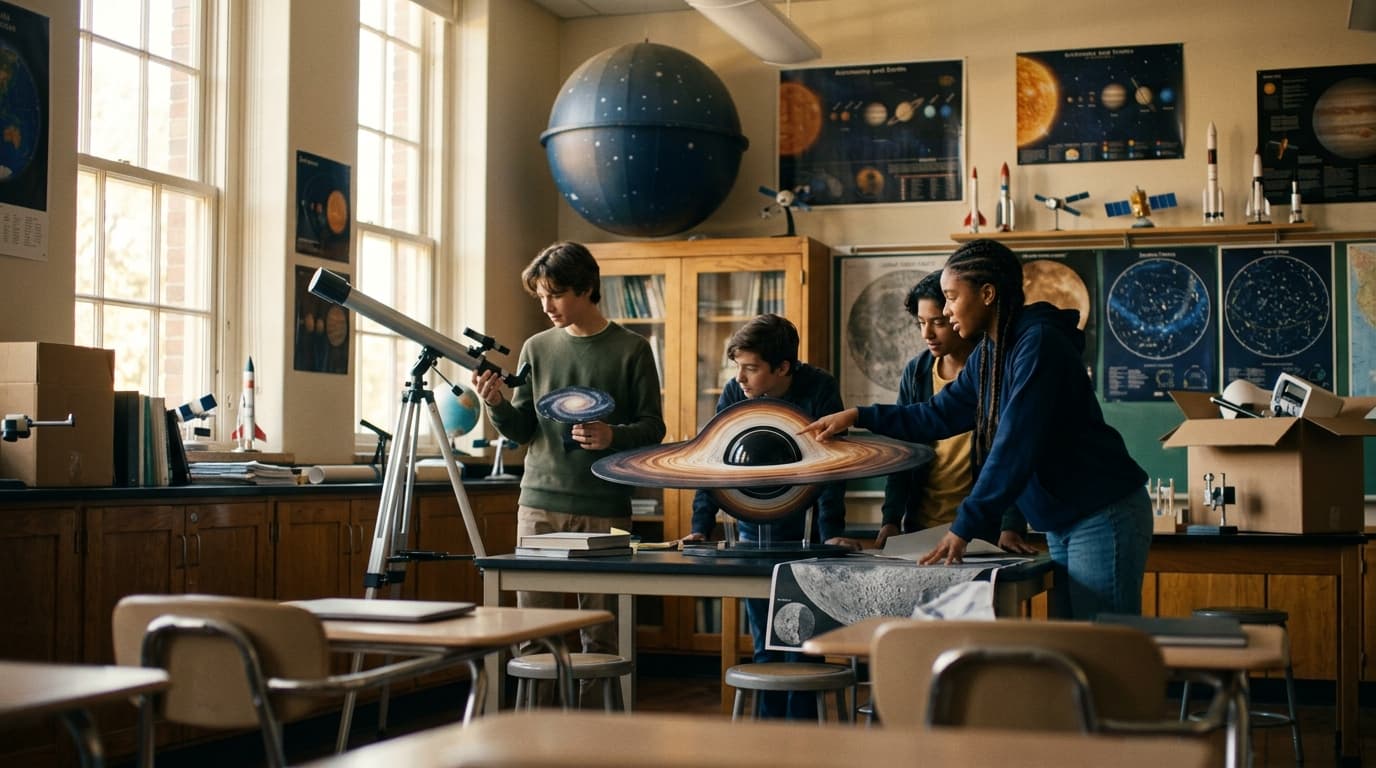
Explore the cosmos one object at a time
science teachers often lose minutes debating the next space object while the group waits. A space object wheel assigns Star, Planet, Moon, and the rest of the list, in one visible spin so the pick feels fair rather than leader-chosen.
This wheel lists 10 options with equal odds when each appears once. Use it for astronomy and space science units. Each segment occupies one slice — say that once if someone claims the wheel "always lands" on the same item; short runs can cluster without rigging.
Classrooms project the embed during astronomy and space science units. Families spin on a tablet before committing to plans. Teams screenshot the result for async members who join late — same outcome, no re-spin argument.
Paste custom entries on the Name Spinner homepage when the default list is too narrow for your cohort. Remove items that violate policy or allergies before you spin — students trust the wheel only when the list matches reality.
Substitute plans: Leave a printed QR to this guide so coverage teachers run the same astronomy and space science units without improvising. Counselors and clubs use the spin for low-stakes variety when repetition breeds disengagement.
After-school programs spin once at check-in so staff spend zero minutes negotiating the opening activity. Professional development teams use the same pattern for workshop formats — the wheel picks structure, the facilitator keeps psychological safety.
Use planet picker for solar system focus; this wheel includes deep-sky objects. Space mission picker connects exploration history.
Astronomy lesson workflow
- Step 1: Spin once; read the result aloud.
- Step 2: Confirm any safety or access rules for the pick.
- Step 3: Run the activity, lesson, or research block.
- Step 4: Debrief briefly — what surprised you?
Remove options that do not fit your space, budget, or policy on the homepage before projecting. Re-spins are for equipment failure or absent materials — not because the group hoped for a different outcome. Document that rule in your syllabus or meeting norms.
- Equity: Offer opt-out paths and seated or remote variants when the landed pick assumes mobility, spending, or disclosure.
- Accessibility: Describe the spin result in chat for screen-reader users when facilitating hybrid sessions.
- Time boxes: Announce a hard stop before the spin so the activity fits your block.
- Documentation: Screenshot or copy the homepage share link when the same list will repeat weekly — saves rebuild time.
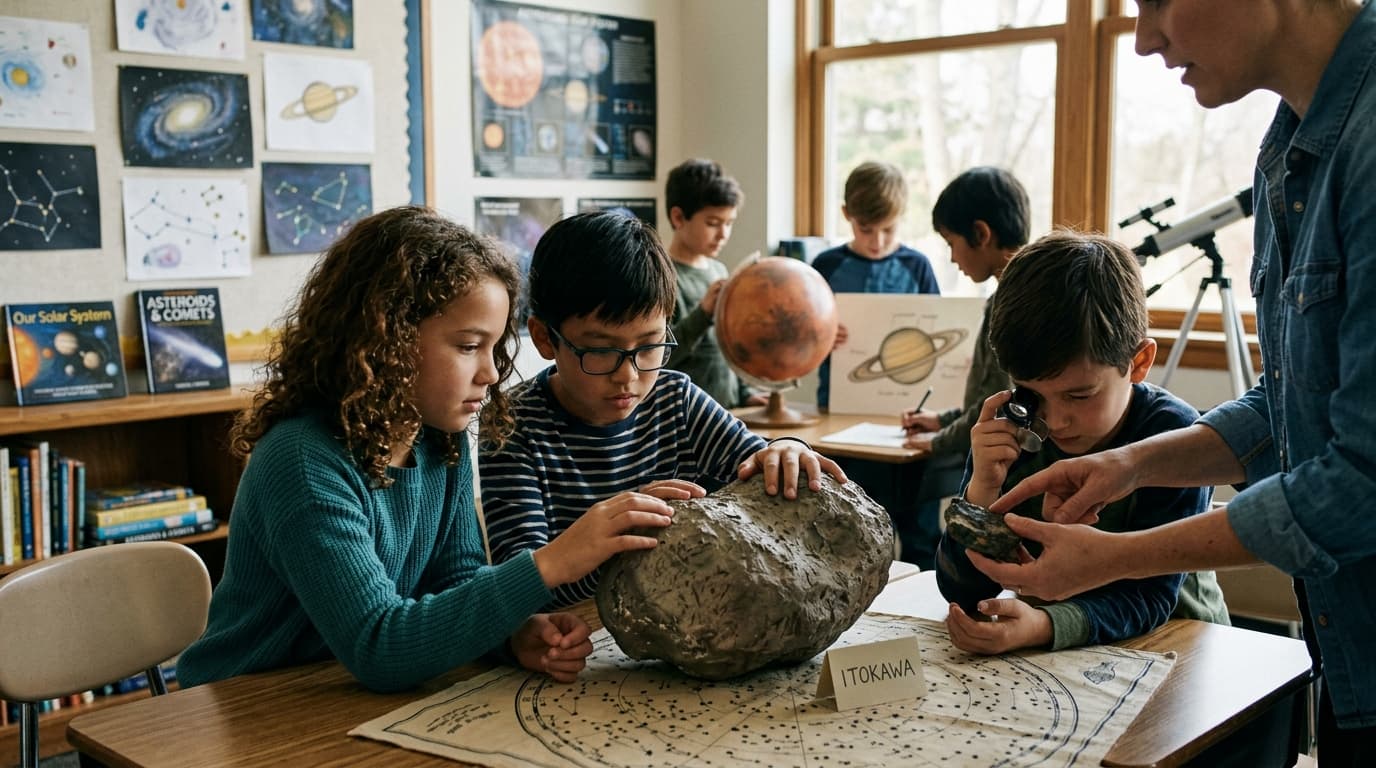
Objects on this wheel
- Star — fair equal slot on this space object wheel
- Planet — fair equal slot on this space object wheel
- Moon — fair equal slot on this space object wheel
- Asteroid — fair equal slot on this space object wheel
- Comet — fair equal slot on this space object wheel
- Galaxy — fair equal slot on this space object wheel
- Nebula — fair equal slot on this space object wheel
- Black Hole — fair equal slot on this space object wheel
- Supernova — fair equal slot on this space object wheel
- Meteor — fair equal slot on this space object wheel
Illustrative space object wheel notes
10
Items on wheel
Customize on homepage
Yes
Equal odds
One slot per space object on this embed
~5 min
Typical time saved
Illustrative estimate vs group debate
Illustrative example only — rounded slot counts.

Fairness and house rules
Equal odds per item each spin when each appears once on the wheel. Weighted tickets and custom lists live on the homepage when you need raffle-style odds — this embed stays one segment per name for transparency.
If a landed pick is unsafe or off-limits today, delete it from the list before re-spinning — do not nudge the wheel informally. Trust: Explain once how Name Spinner picks the winner before animation; link how fair is random name picker for skeptical groups.
- Privacy: Do not force personal stories tied to the spin result.
- Inclusion: Translate instructions when needed; the spin is fair only if everyone understands the task.
For recurring sessions, rotate who presses spin so no single student owns the button. Audit: Log odd repeats over twenty spins as a math lesson on random clustering — not evidence of a broken wheel.
Sample session outline
Min 0–5
Spin; show NASA image of object.
Min 5–20
Research scale, distance, discovery story.
Min 20–25
One-minute peer teach-back.
“Random space object picks keep facilitation fair — the wheel chooses, you hold the safety boundaries.”
| Item | Setup tip |
|---|---|
| Galaxy | Spiral vs elliptical, light years |
| Black Hole | Event horizon, accretion disk art |
| Nebula | Star nursery, emission vs reflection |
| Comet | Tail direction, orbital period |
Tips for facilitators
When Asteroid, Comet, Galaxy appear often in short sessions, treat it as normal variance — not a reason to distrust the tool. Over a semester, every space object on the wheel should get airtime if you spin regularly without trimming the list mid-year.
- Projection: Fullscreen the homepage embed so the spin animation is visible; hidden spins feel rigged to students who cannot see the landing.
- Audio: In loud gyms or cafeterias, announce the result twice or flash it on a second monitor.
- Differentiation: Offer a written opt-in task tied to the same space object for students who need quiet work.
- Extension: Fast finishers research one fun fact about the landed item and teach back in thirty seconds.
- Cross-linking: Bookmark this guide and the Space & Astronomy hub hub for substitute folders.
- Assessment: Grade participation and reflection, not whether students liked the random outcome — the wheel assigns; learners respond.
- Parent communication: Send the homepage link before family events so guardians preview the list.
- Data privacy: No accounts required — lists stay on device unless you choose to share a URL.
Common questions
Can I edit the list? Yes — use the homepage to add, remove, or reorder space object options, then share the encoded link.
Is every spin independent? Yes — previous results do not change the next odds when segments are equal.
Embed in slides? Link to this guide or paste the homepage URL after customizing your list.
Classroom mode? Switch to Classroom mode on the homepage for kid-safe announcer copy when presenting.
Share the result? Copy the winner card or homepage link after customizing for your group.
Too many options? Trim to ten focused entries — shorter lists spin faster and stay readable on projectors.
Add JWST targets
Paste objects from current news — nebula names, exoplanets — for timely research.
Create a custom space object wheel →Build your own spinner wheel
Paste any list, import a class roster, save history, and share a link — free on the Name Spinner homepage. No account required.
Open full Name Spinner →Related guides
Famous Astronaut Picker Wheel
Spin a famous astronaut for biography reports and space week — Armstrong, Ride, Hadfield, and more on a fair wheel.
In-page spinner

By Name Spinner
Random Constellation Picker Wheel
Spin a random constellation for astronomy units — Orion, Ursa Major, and eight more on a fair night-sky wheel.
In-page spinner
By Name Spinner
Random Planet Picker — Spin the Wheel
Pick a random planet with a free spinner wheel. Astronomy class prompts, scale comparisons, and sci-fi writing starters — eight worlds ready to spin now.
In-page spinner
By Name Spinner
Random Space Mission Picker — Spin the Wheel
Pick a random country with a free spinner wheel. Space-agency lessons, mission history by nation, and STEM geography prompts — eighteen countries ready to spin.
In-page spinner
By Name Spinner