
Name Spinner
- Spin for a Space-Faring Nation
Random Space Mission Picker — Spin the Wheel
Pick a random country with a free spinner wheel. Space-agency lessons, mission history by nation, and STEM geography prompts — eighteen countries ready to spin.
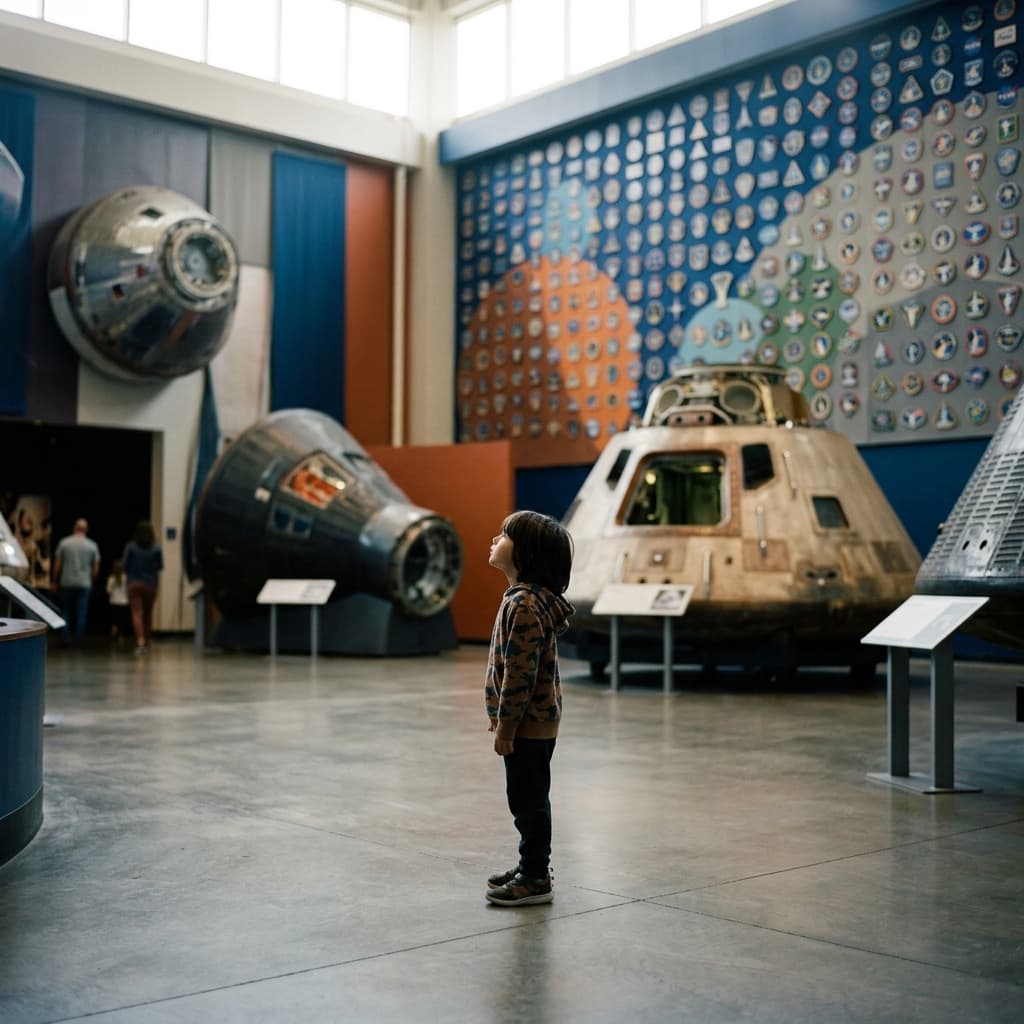
Space history is multinational — spin which flag leads today
U.S.-centric space units leave students thinking NASA is the only story. A random space mission picker reframes the shared country wheel as a space-agency roulette: spin Brazil and research Alcantara launch geography; spin Japan and summarize HTV cargo missions to the ISS; spin India and outline Chandrayaan milestones; spin France and connect CNES partnerships with ESA. The embed lists eighteen countries — each equal slot — so small and large space programs share the same odds every spin, nudging classrooms toward equitable coverage instead of defaulting to Apollo every Monday.
This approach is thematic, not a separate list. You interpret the country label through a space lens for the day's activity. Spin Germany — study Columbus module contributions; spin Canada — Canadarm and robotic innovation; spin China — crewed program timeline at age-appropriate depth with primary sources from space-agency public pages. Students maintain a mission log across spins: flag, agency acronym, one first achievement, one current project. By semester end the class has a wall collage resembling a mini world space conference.
STEM geography ties physical maps to launch sites — equatorial advantage at Kourou when French Guiana spin routes through France's program; Baikonur history when Kazakhstan context appears via Russian federation lessons you choose to emphasize. Discuss geopolitics carefully and factually — cooperation on ISS versus competitive lunar timelines — without turning children into policy pundits. Middle schoolers can handle "why multiple countries invest" with jobs, science, and national pride frames; high schoolers add budget percentages from open datasets.
Pair with the planet picker for destination-versus-participant drills: spin country for who launches, spin planet for where probes went. Custom homepage lists can hold specific missions — Apollo 11, Voyager, Chang'e — when country-level spins feel too broad for advanced astronomy electives.
- Engineering design challenges: Spin country, assign student teams to build cardboard rover inspired by that nation's real mission aesthetic — wheels, instruments, branding — then present specs sheet with one cited fact.
- Timeline hallway: Each spin adds a mission card to a chronological clothesline spanning 1957 to present; gaps spark research homework to fill missing decades fairly across regions.
| Country | Space-themed starter |
|---|---|
| United States | NASA Artemis goals vs Apollo legacy — one contrast |
| Russia | Soyuz continuity and ISS crew rotation role |
| Japan | JAXA HTV resupply and sample-return missions |
| India | ISRO Mars Orbiter Mission cost engineering story |
| United Kingdom | Satellite industry and ESA membership ties |
| Brazil | Alcantara launch site geography advantages |
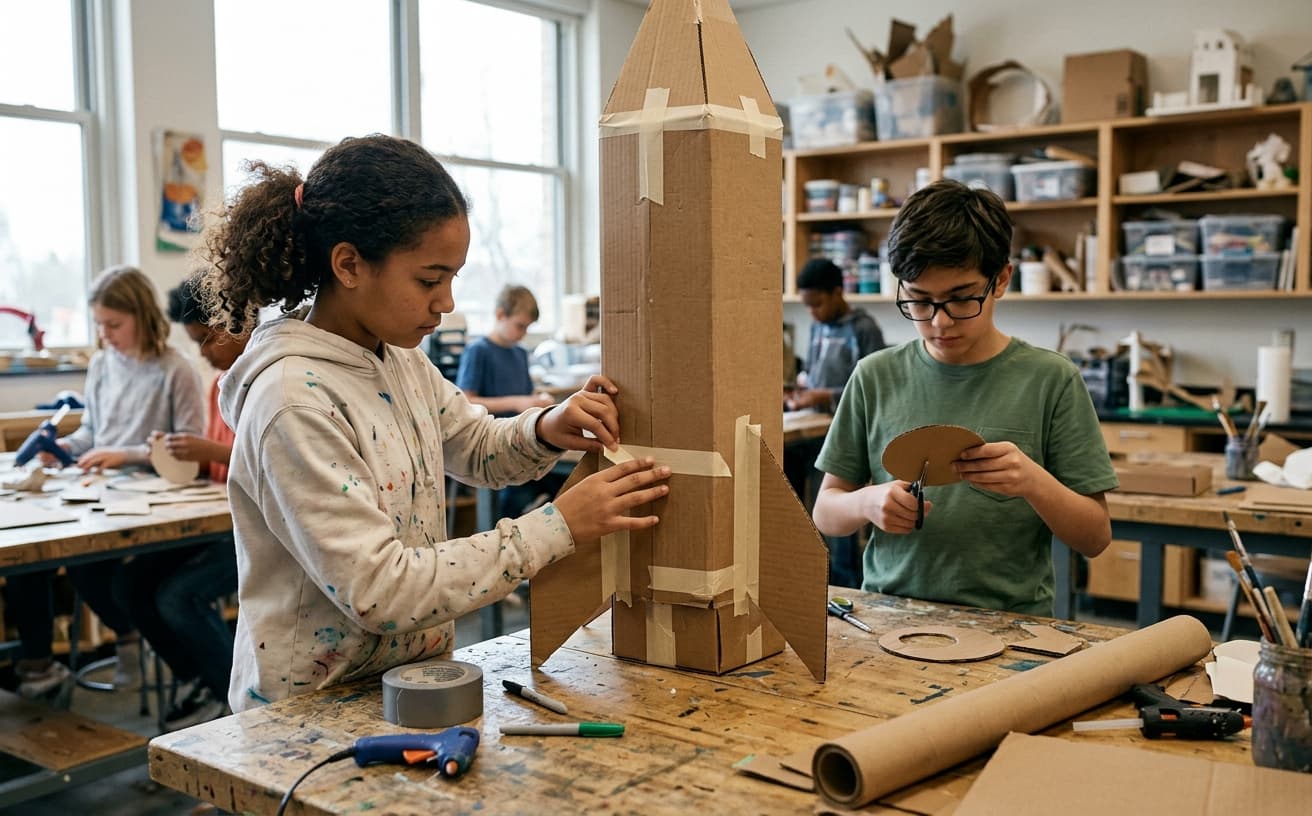
Mission briefing lesson plan (45 minutes)
- Hook (five minutes): Spin country, show flag, ask what students already know — no grading.
- Research sprint (fifteen minutes): Pairs use agency kids' pages or teacher-provided PDFs to fill briefing card — founding decade, one robotic mission, one human spaceflight fact if applicable.
- Share (ten minutes): Two pairs present; audience asks one question each.
- Synthesis (ten minutes): Class places sticky notes on world map at launch-related locations.
- Exit ticket: One sentence — "Why might this country invest in space?"
- Fairness: Equal odds means large programs do not occupy bigger slices — you compensate by assigning deeper missions when major space powers win repeatedly in oral reports, not by rigging the wheel.
- Duplicates: If United States wins three times, assign different NASA centers — JPL, Johnson, Goddard — so repetition still teaches.
- Cross-link language wheel: Spin country, then spin language spoken there — connect cultural outreach on missions.
- Cross-link book genre: Spin country, spin genre — find a children's biography of an astronaut or engineer from that nation.
Remote classes share spin screenshot; students research locally then compare findings in forum thread — asynchronous but synchronized prompt.
- Primary source folders: Curate PDF news releases from agencies before unit starts so research sprints stay on-task without open web rabbit holes.
- Mock press conference: Spin country, student plays agency spokesperson answering class questions with note cards — public speaking plus fact checking.
- Artemis generation: Compare spun nation's lunar goals to U.S. Artemis timeline on shared poster — cooperation and competition in one visual without jingoism when facilitated neutrally.
- label: "Americas" value: 33 - label: "Europe" value: 33 - label: "Asia-Pacific & other" value: 34
“When the spin lands on a country students rarely associate with rockets, they Google faster than any lecture hook — curiosity follows fairness.”
Sensitive topics handled plainly
Space history includes militarized origins, tragedies, and international tension. Preview content guidelines before research sprints — honor fallen crews without graphic detail for younger grades. When spin lands on nations in active conflict zones in news headlines, stick to space-agency facts and cooperative ISS examples rather than unrelated geopolitics unless your curriculum explicitly covers them with district approval.
Extending beyond the embed
Paste ESA member states, Artemis Accords signatories, or Artemis mission names on the Name Spinner homepage when country spins feel too coarse for AP classes. Share links so debate clubs spin the same mission proposal night.
- Assessment rubric: accurate agency name, dated milestone, geographic label on map, one cited source suitable for school use.
- Club activity: Model UN-style committee assigns spin country a fictional lunar research budget — persuasive speech using facts from briefing cards.
Track twenty spins; discuss representation — eighteen countries cannot cover every active program. Transparency about limits models intellectual honesty better than pretending one wheel is exhaustive.
- Guest astronomers: Invite local planetarium staff when spin matches their specialty region — many educators love tailoring demos.
- Model rocketry clubs: Spin country before designing mission patch art — flags, slogans, and capsule colors merge art standards with STEM.
- Debate format: Resolved — spun nation's space budget should increase; students cite briefing cards only, not partisan talking points memorized from home.
- Yearbook spread: Senior aerospace club compiles spin results across the year into a collage of flags and mission patches — institutional memory for underclassmen considering STEM pathways.
- Library display: Spin country, feature juvenile biography of an astronaut or engineer from that nation — circulation bump follows visible spin screenshot in the display case.
- Capstone linkage: Seniors spin early in aerospace elective, choose semester paper topic tracing that nation's launch vehicle evolution.
- Newsletter blurb: One paragraph for families explaining thematic country spin — reduces dinner-table confusion when students mention Brazil space day.
Mock mission control: Spin assigns student teams to country-specific console roles — communications, trajectory, public affairs — during classroom simulation using free mission timeline posters from agency education pages.
Spin a planet destination next
After the agency country spin, open the planet wheel — match each nation's notable missions to worlds they have studied robotically or crewed in fiction writing prompts.
Open the random planet picker →Briefing card fields for each spin
- Official space agency name and acronym
- One robotic mission milestone with year
- One human spaceflight or crew program note if applicable
- Launch site or primary spaceport city
- One cooperation partner country on a current project
Build your own spinner wheel
Paste any list, import a class roster, save history, and share a link — free on the Name Spinner homepage. No account required.
Open full Name Spinner →Related guides
Famous Astronaut Picker Wheel
Spin a famous astronaut for biography reports and space week — Armstrong, Ride, Hadfield, and more on a fair wheel.
In-page spinner

By Name Spinner
Random Constellation Picker Wheel
Spin a random constellation for astronomy units — Orion, Ursa Major, and eight more on a fair night-sky wheel.
In-page spinner
By Name Spinner
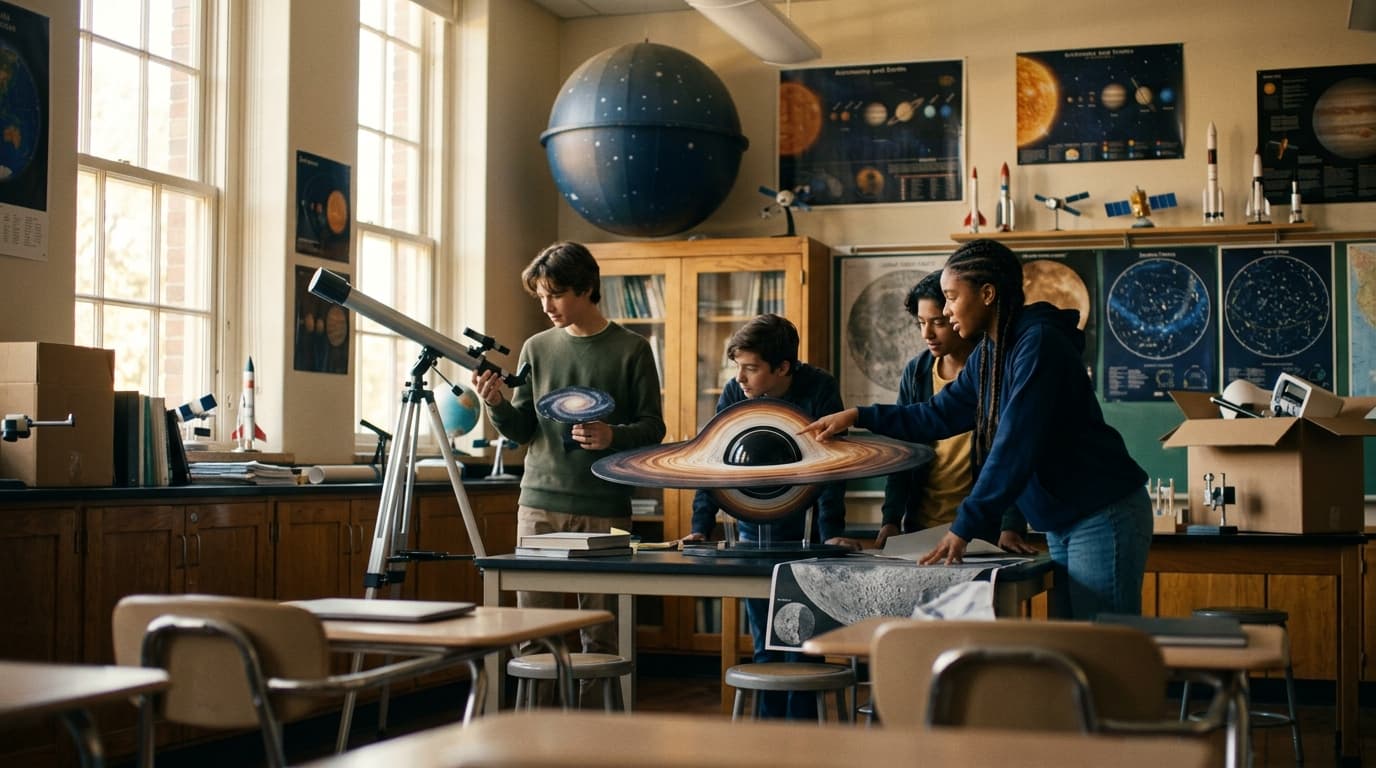
Space Object Picker — Astronomy Unit
Spin a random space object for astronomy units, sci-fi writing, and planetarium trips. Star, galaxy, black hole, and more — ten objects ready to spin.
In-page spinner
By Name Spinner
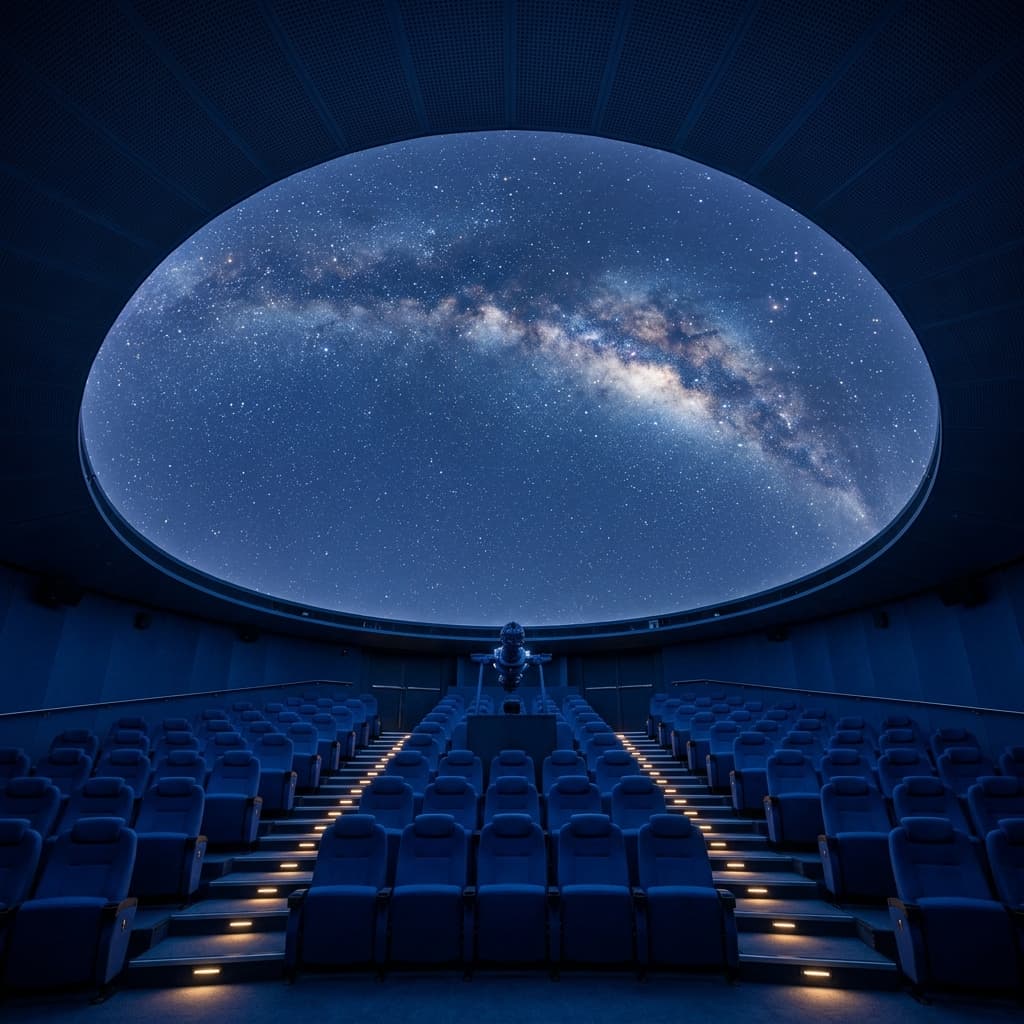
Random Planet Picker — Spin the Wheel
Pick a random planet with a free spinner wheel. Astronomy class prompts, scale comparisons, and sci-fi writing starters — eight worlds ready to spin now.
In-page spinner
By Name Spinner