
Name Spinner
- Spin a random letter
Random Letter Picker Wheel — A–Z Spinner
Pick a random letter A–Z with a free alphabet spinner wheel. Scattergories, spelling games, and writing prompts — spin instantly, no signup.
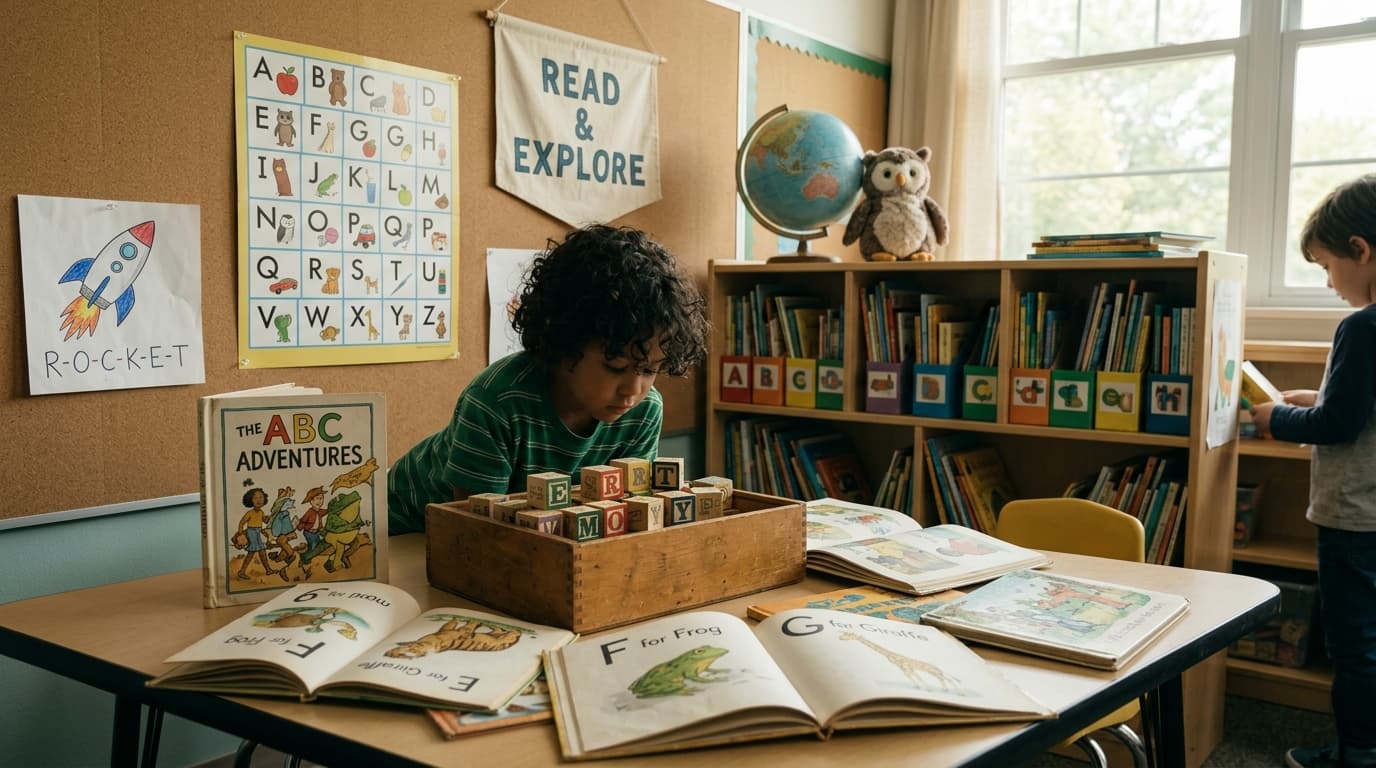
What is a random letter picker wheel?
A random letter picker wheel chooses one letter from A through Z when you need a fair alphabet constraint — Scattergories rounds, spelling bees, phonics warm-ups, or writing prompts that start with a specific character. One spin, one letter, equal odds for each of the twenty-six segments.
Teachers use letter wheels when "pick a letter" should not mean the teacher always chooses S because it is easy to say. Students watch the spin, hear the wheel slow down, and accept the result together. Families use them for car games; teams use them for codename-style icebreakers.
This guide includes a full A–Z wheel below. Remove rare letters, add digraphs, or paste non-English alphabets on the Name Spinner homepage when your lesson needs a custom set.
Scattergories and party games
Scattergories-style rounds: Spin for the letter, then run a timed round where every answer must start with that letter. Post the spun letter large on the board so late joiners sync quickly.
Spelling practice: Spin, then spell five words from a unit list that start with that letter — or define vocabulary without saying the letter aloud until the end.
Name games: Spin and go around the circle with names (people, places, animals) starting with the result. Remove letters already used by crossing them off a chart for no-repeat rounds.
Writing prompts: Spin twice for first and last sentence letter constraints — harder than it sounds, good for middle-school stamina.
Fair spins use crypto.getRandomValues in your browser; the letter is chosen before the animation lands. Say that once if anyone jokes about rigging.
Classroom letter wheel ideas
- Phonics — spin and brainstorm sounds for the letter
- Geography — name a country or city starting with the spin
- Math — spin and list factors or shapes starting with the letter (where possible)
- Art — draw an object whose name starts with the spun letter in sixty seconds
- ESL — spin and practice vocabulary clusters for that letter
Illustrative alphabet wheel notes
26
Letters on wheel
A through Z — one segment each
1/26
Odds per letter
Uniform on each spin
Hard letters
Common Q/X complaint
Remove them on homepage lists for younger groups
Typical letter game flow
Agree rules
Timer length, allowed dictionaries, mulligan policy.
Spin once
Display on projector so every team sees the letter.
Play the round
Write answers, share, score.
Track used letters
Optional chart for no-repeat letter nights.
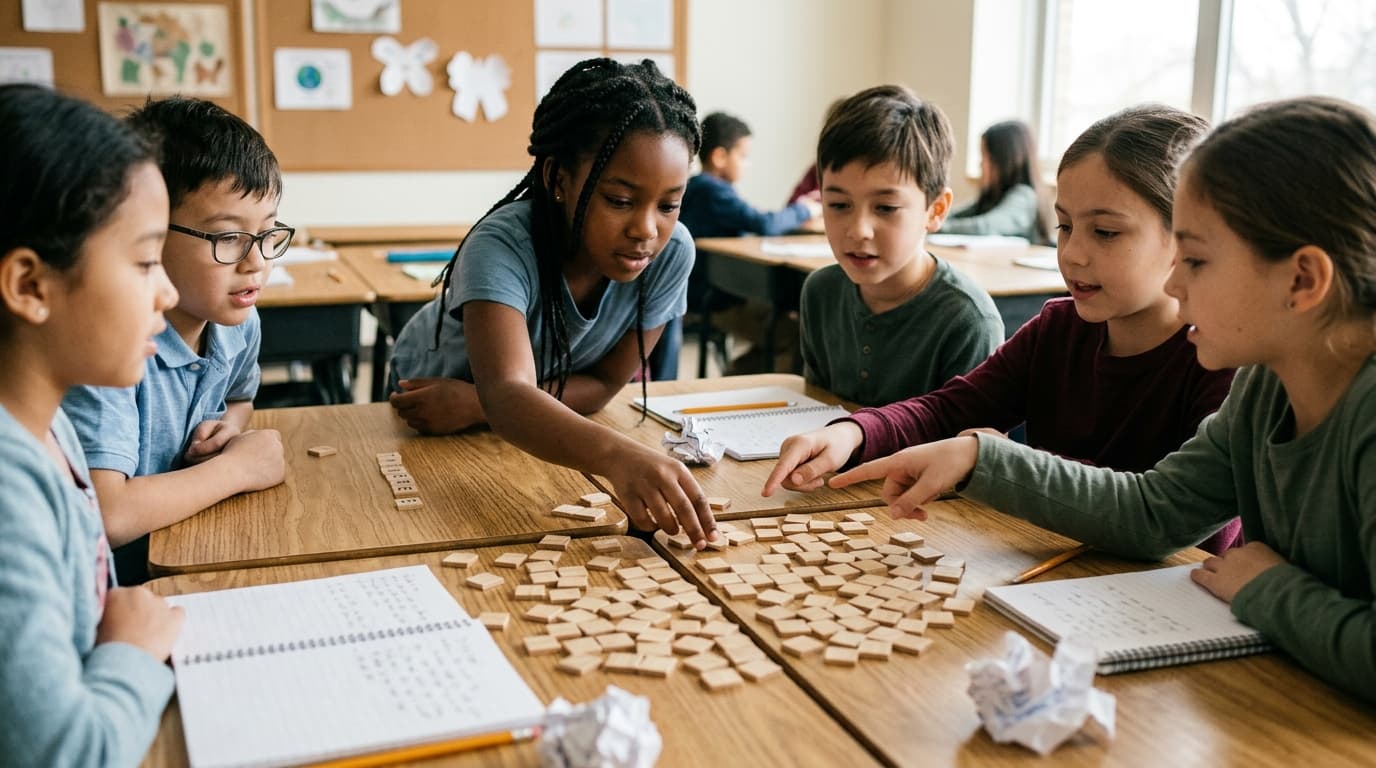
Customize for grade level
- Early readers: Use a wheel with only M, S, T, A, P until confidence grows.
- Upper grades: Require citations or textbook page numbers for answers tied to the spun letter.
Foreign language classes: Paste letters with diacritics or spin Roman letters then require answers in the target language only.
Pair with the random number picker when prompts need both a letter and a quantity — "write N words starting with R."
Common questions
Can I exclude Q and X? Yes — edit the homepage list before sharing.
Does English frequency matter? This wheel gives equal odds to every letter. Real English letter frequency is a separate statistics lesson.
Is each spin independent? Yes — landing on E twice in a row is rare but fair.
How is this different from a name picker? Same fair engine; labels are letters instead of student names. See how fair is a random name picker.
Literacy and ELA extensions
- Alliteration arcs: Spin a letter, then write one sentence where every content word starts with that letter — humorous constraint for middle grades.
- Dictionary races: Spin, open to a random page, first student to find a word starting with the letter wins the round — use classroom dictionaries, not phones, if policy requires.
- Poetry units: Spin for the required initial letter of a haiku line or acrostic spine.
- Author study: Spin, then connect to an author whose last name starts with that letter from your classroom library cart.
Cross-grade buddies: Older students spin for younger buddies' scavenger hunt — "find something blue that starts with M" — letter wheel sets the constraint, buddy teams execute.
No-repeat charts: Track used letters on the whiteboard during a week-long game. When only hard letters remain, the room feels the rising difficulty — organic motivation without teacher picking Q as punishment.
Digital citizenship: Discuss why equal odds matter in classroom games versus apps that feel "lucky" — connect to the fairness guide when students ask if the wheel is rigged.
Letter frequency vs fair spins
English text uses E and T more often than Q or Z, but this wheel gives each letter identical odds — that is the fairness promise. Follow-up lesson: compare spun tallies after fifty class spins to letter-frequency charts in language arts. Students see the difference between equal selection mechanism and natural language distribution.
Hard-letter compassion: When Q or X lands, offer a ten-second dictionary pass or allow proper nouns — rules you announce before spinning, not after groaning.
| Rule | Why it helps |
|---|---|
| Ten-second prep after spin | Reduces panic before timers start |
| Proper nouns allowed | Makes Q/X rounds playable |
| One mulligan per team | Keeps party games friendly |
| No-repeat letter chart | Forces variety across rounds |
Pair with numbers and colors
Multi-wheel lessons build executive function: spin a letter, spin a number, write that many words starting with the letter. Art: spin letter, spin color, illustrate an object matching both.
Substitute plans: Leave a link to this embed plus worksheet instructions — "spin twice per row" — so coverage days stay interactive without new app training.
Display tip: Twenty-six segments fit projectors; if labels overlap on a phone, switch to the homepage and paste only the letters your lesson uses — readability and fairness both improve when students can read every slice.
Assessment: Grade the writing or research, not the letter luck — spins assign constraints, rubrics assign credit.
Volume: Twenty-six equal slices stay fair even when E would dominate English paragraphs — teach the difference between wheel mechanics and language statistics.
Bookmark the Topic Spinners hub for sibling pickers after this letter spin.

“One visible letter spin ends alphabet arguments before the timer starts.”
Build your own spinner wheel
Paste any list, import a class roster, save history, and share a link — free on the Name Spinner homepage. No account required.
Open full Name Spinner →Related guides

Car Brand Picker Wheel — Auto & Economics
Spin a random car brand for economics units, design prompts, and trivia nights. Toyota, Tesla, BMW, and more — ten brands ready to spin.
In-page spinner

By Name Spinner

Random Number Picker 1–20
Spin a random number from 1 to 20 with equal odds — free number wheel for classroom games, math drills, warm-ups, and party prompts. No signup.
In-page spinner
By Name Spinner
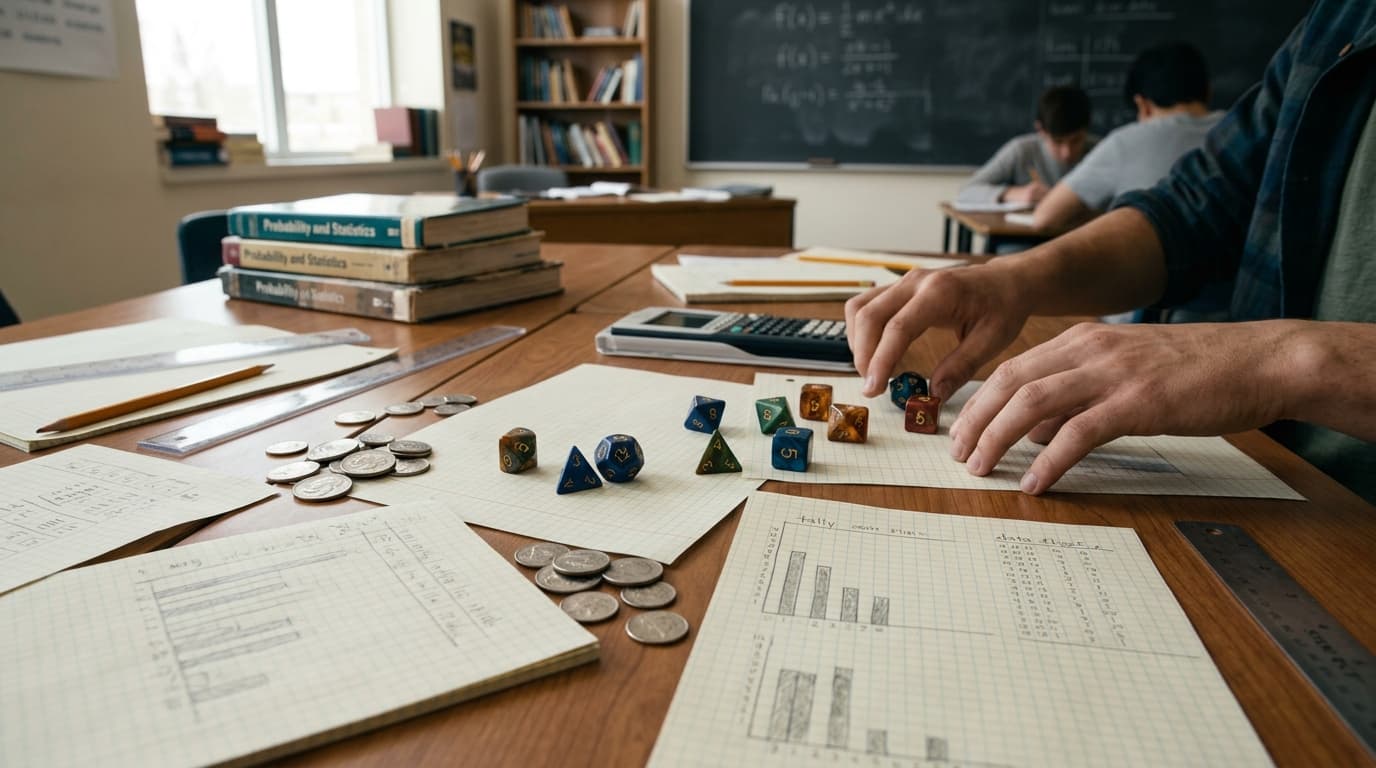
Spin Wheel for Coins and Dice
Simulate dice rolls with a spin wheel — faces 1–6 with fair odds, plus links to coin-flip tools for probability lessons.
In-page spinner
By Name Spinner
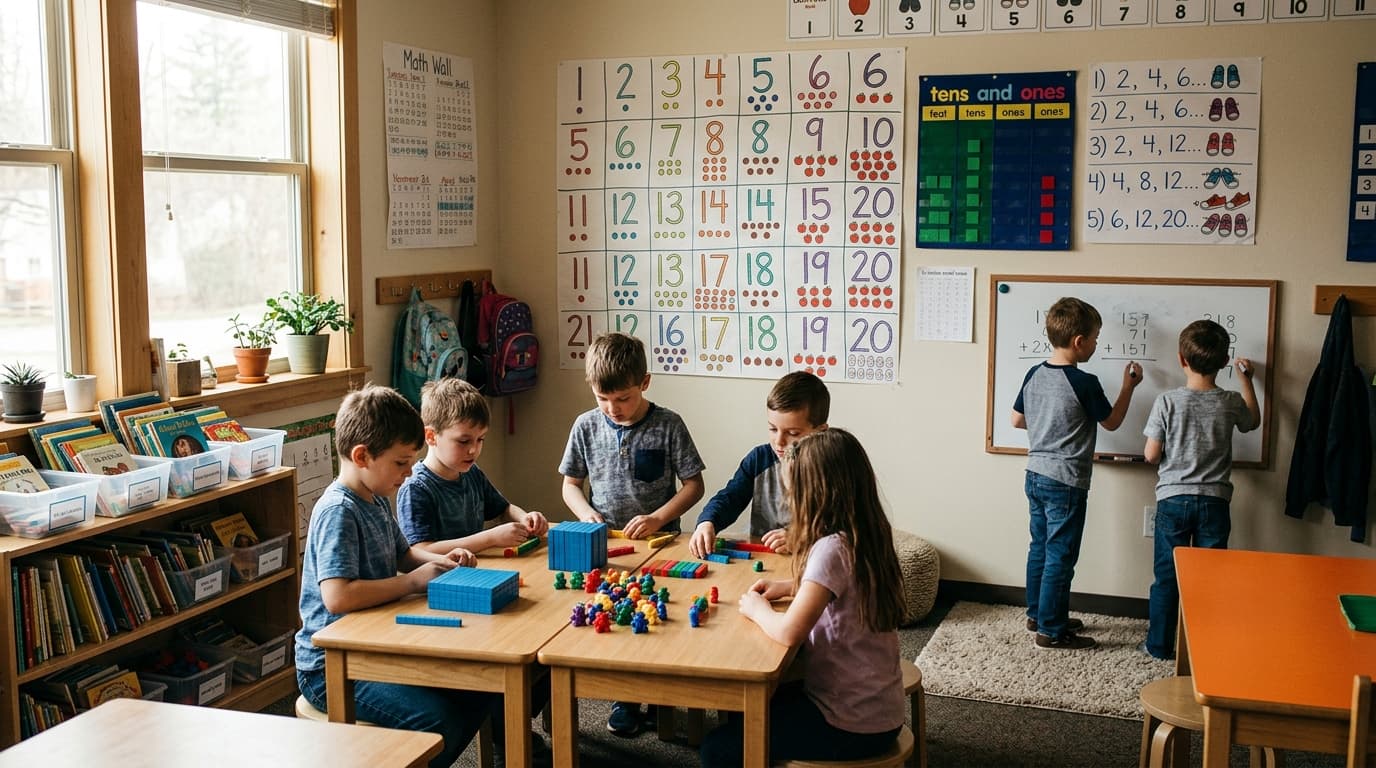
Spin Wheel Math Practice Guide
Practice math facts with a numbers 1–20 spin wheel — random prompts for drills, games, and quick mental math warm-ups in elementary classrooms.
In-page spinner
By Name Spinner