
Name Spinner
- Spin for a Fruit
Random Fruit Picker — Spin Free Online
Need a random fruit? Spin this free fruit picker online — fair picks for snacks, lessons, and kids. No signup. Customize your list on Name Spinner.
From snack rut to shared surprise
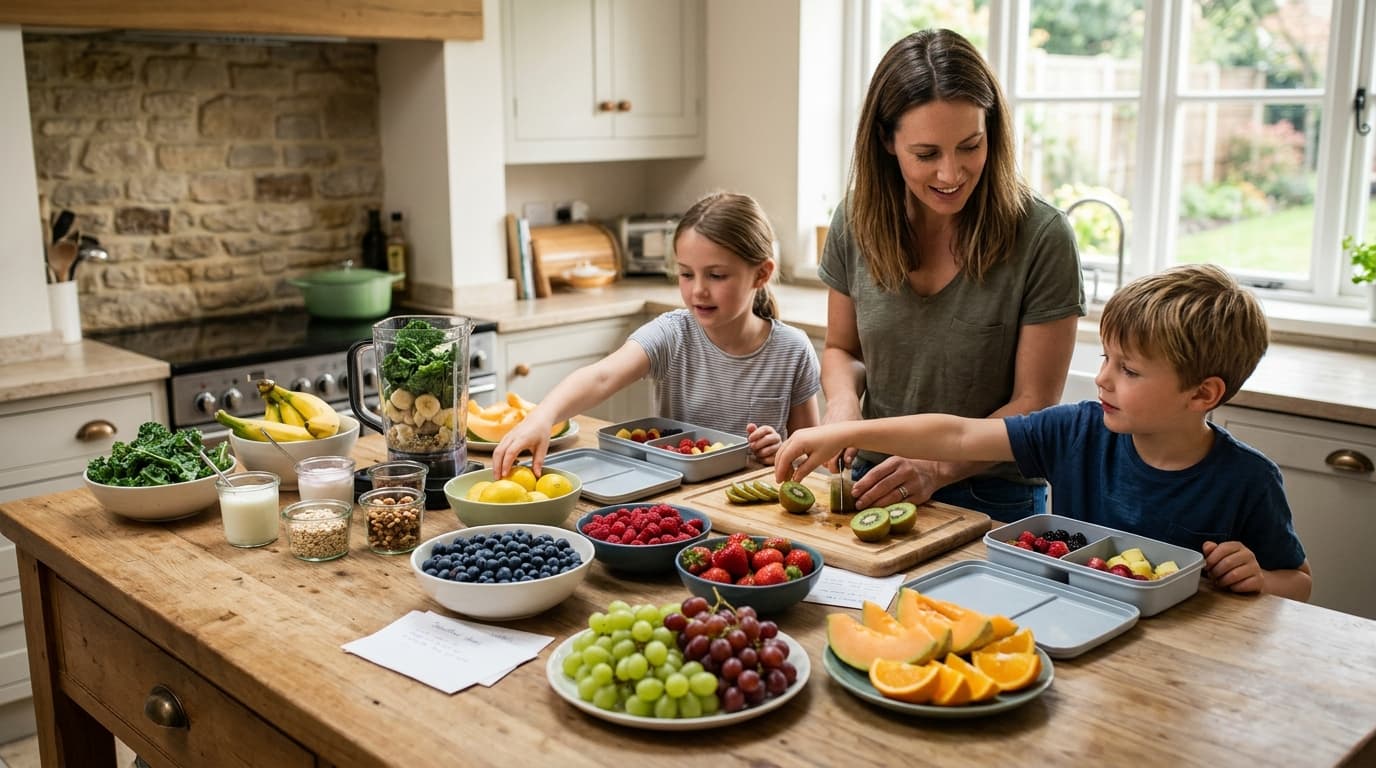
Lunchboxes and after-school snacks often repeat the same two colors — apple red, banana yellow — while the produce drawer hides mango, pineapple, and cherries waiting for attention. A random fruit picker turns "what fruit today?" into one fair spin everyone can watch. The wheel lists ten familiar fruits: apple, banana, orange, grape, strawberry, pineapple, mango, watermelon, peach, and cherry. Each name occupies one equal slot, so mango is as likely as grape on any spin. Families see the result together; picky eaters argue less when the fruit spinner wheel chose, not a parent pushing variety.
Smoothie labs at home or in FCS classrooms start with a spin instead of a recipe card. Land on strawberry and discuss pairing with yogurt versus almond milk; land on pineapple and talk about acidity balancing greens. The constraint sparks creativity without a rigid meal plan. Pair fruit spins with the random vegetable picker when you want a full produce challenge — spin fruit for the sweet layer, spin vegetable for the savory side, then sketch a balanced plate before anyone opens the fridge.
Lunchbox variety weeks work well in elementary schools: Monday spin sets the fruit for the week, or each morning spin picks today's addition beside the main sandwich. Nurses and teachers appreciate visible randomness when multiple children share snacks — nobody accuses favoritism when the projector showed the same cherry result for everyone. Paste seasonal local harvest lists onto the Name Spinner homepage so autumn spins feature pears and cranberries while summer spins favor berries from your region.
Nutrition lessons gain a personal hook when the spun fruit anchors the day. Orange spin → vitamin C and peel zest in cooking demos; watermelon spin → hydration talk without lecturing about soda. Keep language neutral — "this fruit offers" rather than moralizing sweets. Adaptive classrooms maintain a teacher-approved swap list posted before spinning; random choice never overrides allergies or medical plans. Document swaps on the board when spin conflicts with a restriction so equity stays visible.
After-school snack bars at community centers spin once per table, then challenge groups to assemble a fruit salad using only the spun item plus one pantry staple you provide — oats, honey, or cinnamon. Older students calculate cost per serving using grocery flyers; younger students sort by color and texture. The snack fruit randomizer is not a diet tool — it is a decision shortcut that makes produce feel like play instead of homework.
Smoothie, lunchbox, and classroom workflows
- Morning smoothie (ten minutes): Spin, display the fruit with a photo, gather base liquids and ice, blend one sample cup for the group. Students write one sensory adjective — tart, fibrous, juicy — before tasting.
- Lunchbox prep Sunday: Family spins three fruits for the week, shops once, packs alternating days. Reduces mid-aisle debate when children already committed to the wheel.
- Cafeteria tie-in: When the school features a fruit of the month, spin among related options — grape spin week might compare red versus green in a blind taste test with simple bar graphs.
- Farmers market literacy: Send students with a spin result and a scavenger hunt — find the fruit fresh, note price per pound, compare to frozen aisle. Middle-schoolers practice unit rates; primary grades practice color identification.
- Writing prompts: Spin a fruit, describe it using five senses without naming it until the last sentence — classmates guess from the paragraph.
- Art class: Still-life drawing of the spun subject under natural light; discuss how round forms differ from the random vegetable picker still lifes from last unit.
Probability note: ten equal segments mean repeats cluster in short home trials. Track family spins for a week and compare to expected distribution — gentle statistics over breakfast. Offer one re-spin token per month only if disappointment blocks participation; otherwise keep the social contract that the visible spin stands.
- Remote grandparents: Share screen on the spin during a video call; each household tries the same fruit before the next chat and compares notes.
- Food desert awareness: When fresh market tasks are impossible for some families, spin still works with teacher-curated photo albums — equity means alternate paths, not canceling the activity.
Broader meal categories live on the random food picker when the whole dish — not just the fruit course — needs a visible ritual. Spin food type first, fruit second, and build a menu concept before students write a one-day plan.
Illustrative grouping only — not serving-size or nutrition data.
| Fruit | Snack or lesson prompt |
|---|---|
| Apple | Compare varieties — tart vs sweet — in a two-bite taste test |
| Mango | Describe ripeness cues by smell and gentle squeeze |
| Watermelon | Estimate percent water; link to hydration science |
| Grape | Count seeds vs seedless; graph class preferences |
“Kids who refuse 'try something new' often accept 'the wheel picked mango today' — the shared spin matters as much as the fruit.”
Build a full plate
Spin fruit first, then spin a meal category on the food type wheel — connect snack randomness to dinner planning in one sitting.
Open the random food picker →
Allergies, culture, and respectful framing
Never spin-and-force tasting when IEPs or cultural dietary rules forbid it. Offer observation roles — student documents prep photos or writes a market report instead of eating. Discuss how fruits anchor cuisines worldwide: mango in lassi, grapes in Mediterranean tables, plantains in Caribbean cooking — spin is a starting point for cultural research, not a lecture on one national snack habit.
- Storage mini-lessons: After spin, teach one fact — bananas ripen faster near apples due to ethylene gas; berries prefer dry cold storage.
- Waste reduction: Plan lab portions so the whole class does not buy ten pineapples when one demo suffices.
- Compost tie-in: Peels and cores from tasting labs feed classroom compost discussions — full cycle from spin to soil.
- Assessment rubric sample: safe knife grip for older prep stations, cleaned surface, one complete sentence linking fruit to a vitamin or mineral, respectful tasting or documented opt-out.
- Extension for gifted: redesign the wheel with regional heirloom varieties and cite seed catalogs. Custom lists on the homepage support school gardens — paste what you actually grow, spin for weekly harvest focus, share link with volunteers.
- Standards alignment: Health and science standards welcome observation-based nutrition without calorie obsession — spin prompts descriptive language about texture and color instead of shame.
- Peer teaching: Fifth graders spin for kindergarten taste-test buddies, practicing clear hand-washing demos before samples arrive.
- Seasonal calendars: Autumn emphasize apples and pears on custom lists; summer emphasize berries — align spins with when produce actually appears in your region.
- Library programs: Spin at the desk, then find a cookbook in the 641 section featuring that fruit — catalog navigation plus randomness beats endless browsing.
- Chore pairing: Whoever lands on watermelon helps wash the cutting board — low-stakes responsibility tied to the spin result.
- Reflection journals: One sentence weekly — "Would I spin again for this fruit at home?" — gives family engagement coordinators actionable feedback.
Common questions
Fruit picker vs food picker? This wheel is produce-specific — games, lunchboxes, smoothies, and nutrition prompts. The random food picker covers broader meal categories like pizza, soup, and tacos.
Can I weight favorites? Duplicate segments on the homepage if you want higher odds for bananas during a picky-eater week. Keep one slot each when you want true randomness for fairness demos.
Combine with vegetables? Yes — spin fruit, then spin random vegetable for a rainbow plate challenge using only those two results plus a protein you assign.
Weighted smoothies? Paste ingredient lists on the homepage — spinach, banana, protein powder — and spin among components after the fruit spin lands.
Build your own spinner wheel
Paste any list, import a class roster, save history, and share a link — free on the Name Spinner homepage. No account required.
Open full Name Spinner →Related guides
Cooking Method Picker Wheel — Kitchen & Class
Spin a random cooking method for dinner labs, home-ec units, and recipe challenges. Baking, grilling, steaming, and more — ten techniques ready to spin.
In-page spinner

By Name Spinner
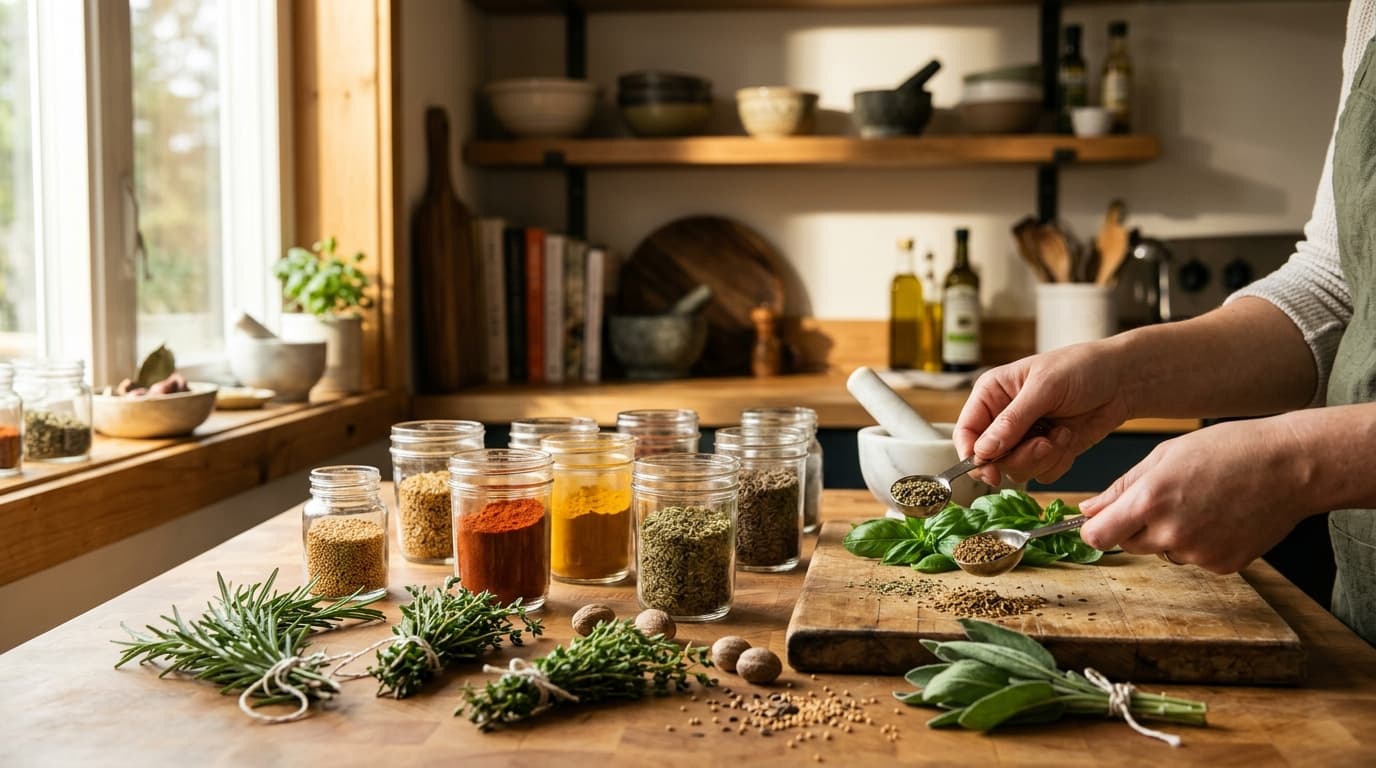
Herb & Spice Picker Wheel — Kitchen & FCS
Spin a random herb or spice for cooking labs, recipe challenges, and pantry games. Basil, cumin, turmeric, and more — ten flavors ready to spin.
In-page spinner
By Name Spinner
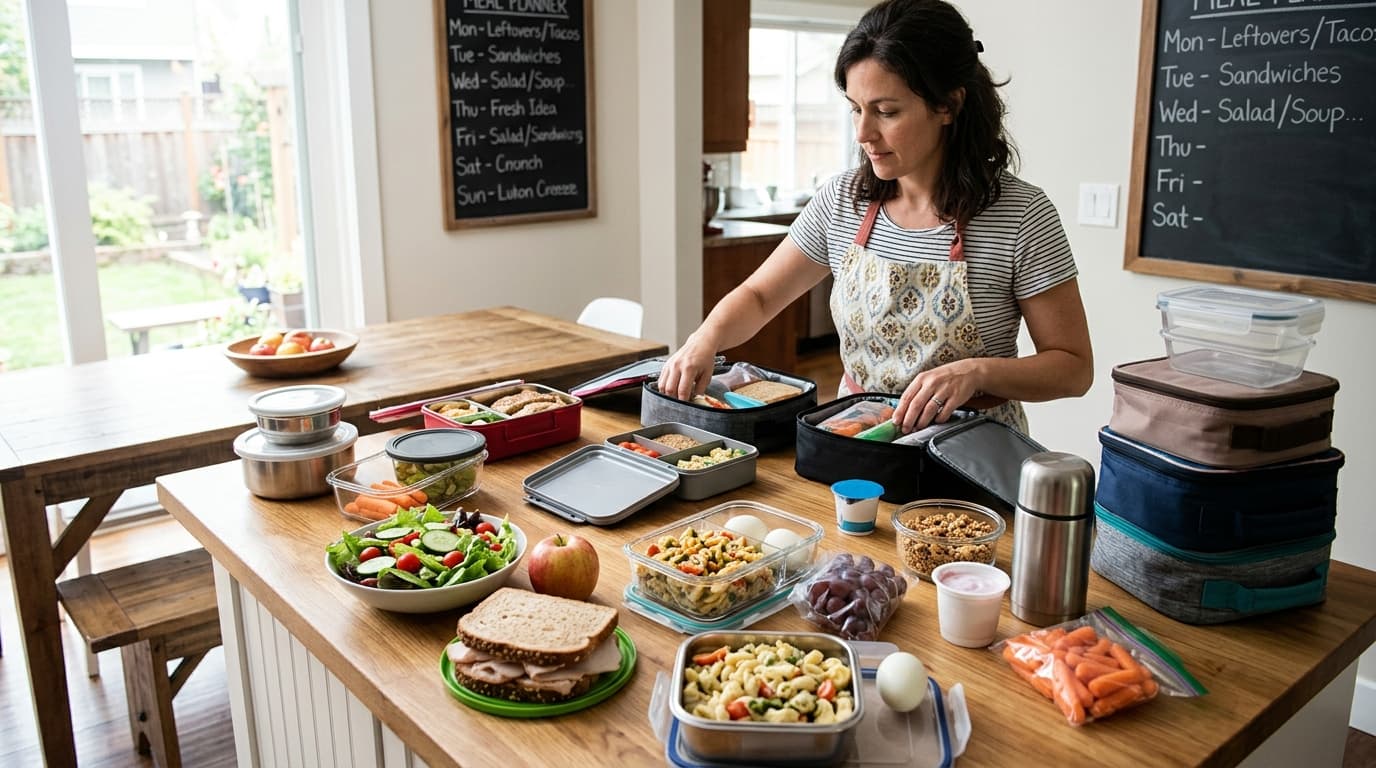
Lunch Options Spinner — School & Work Meal Picker
Pick lunch with a free spinner wheel — ten meal types for school cafeterias, office breaks, and packed-lunch planning. Spin once, eat without debate.
In-page spinner
By Name Spinner
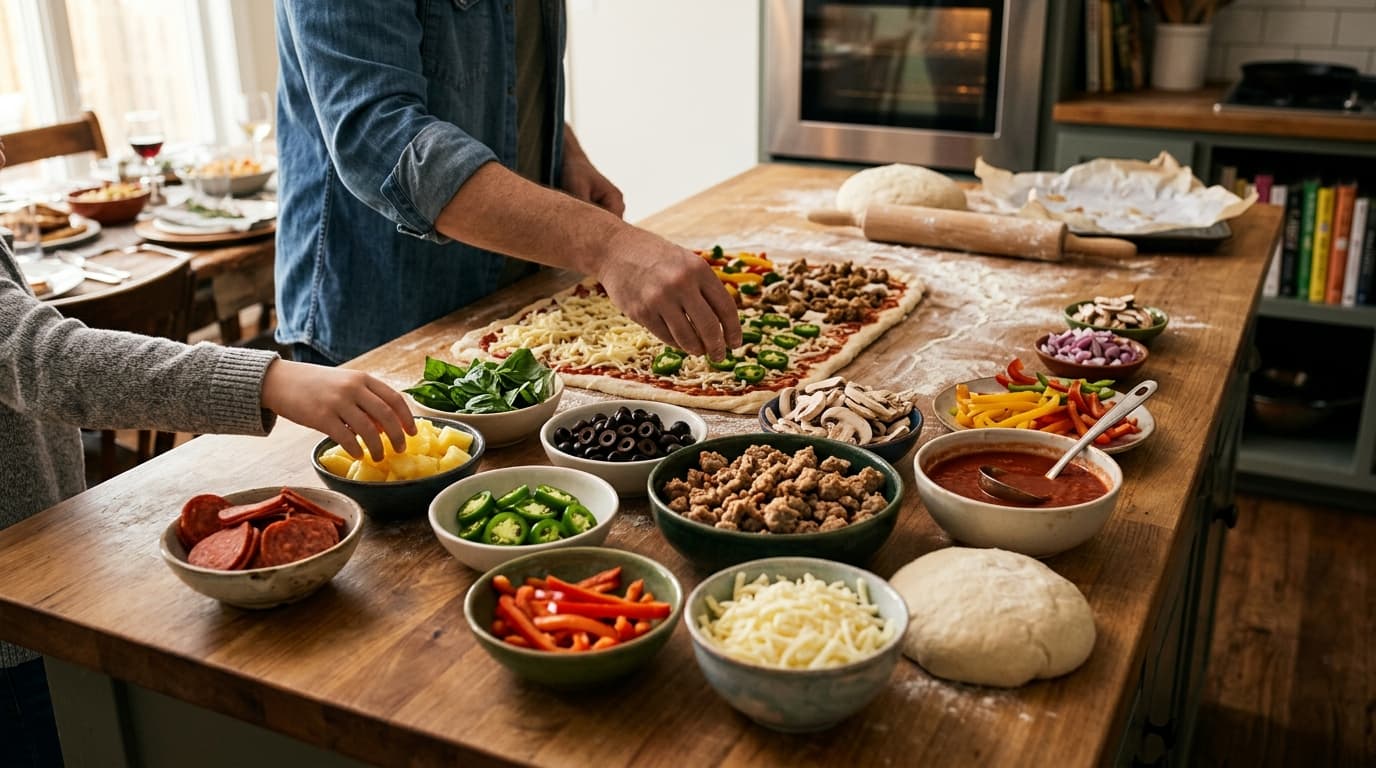
Pizza Topping Wheel — Build Your Pizza Spinner
Spin random pizza toppings with a free wheel — pepperoni, pineapple, jalapeños, and seven more for family pizza night. Customize halves and dietary lists on the homepage.
In-page spinner
By Name Spinner