
Name Spinner
- Spin for an Instrument
Musical Instrument Picker — Free Class Wheel
Free instrument picker for band units, listening labs, and music class prompts. Ten instruments, equal odds — fair rotation everyone can watch. No signup.
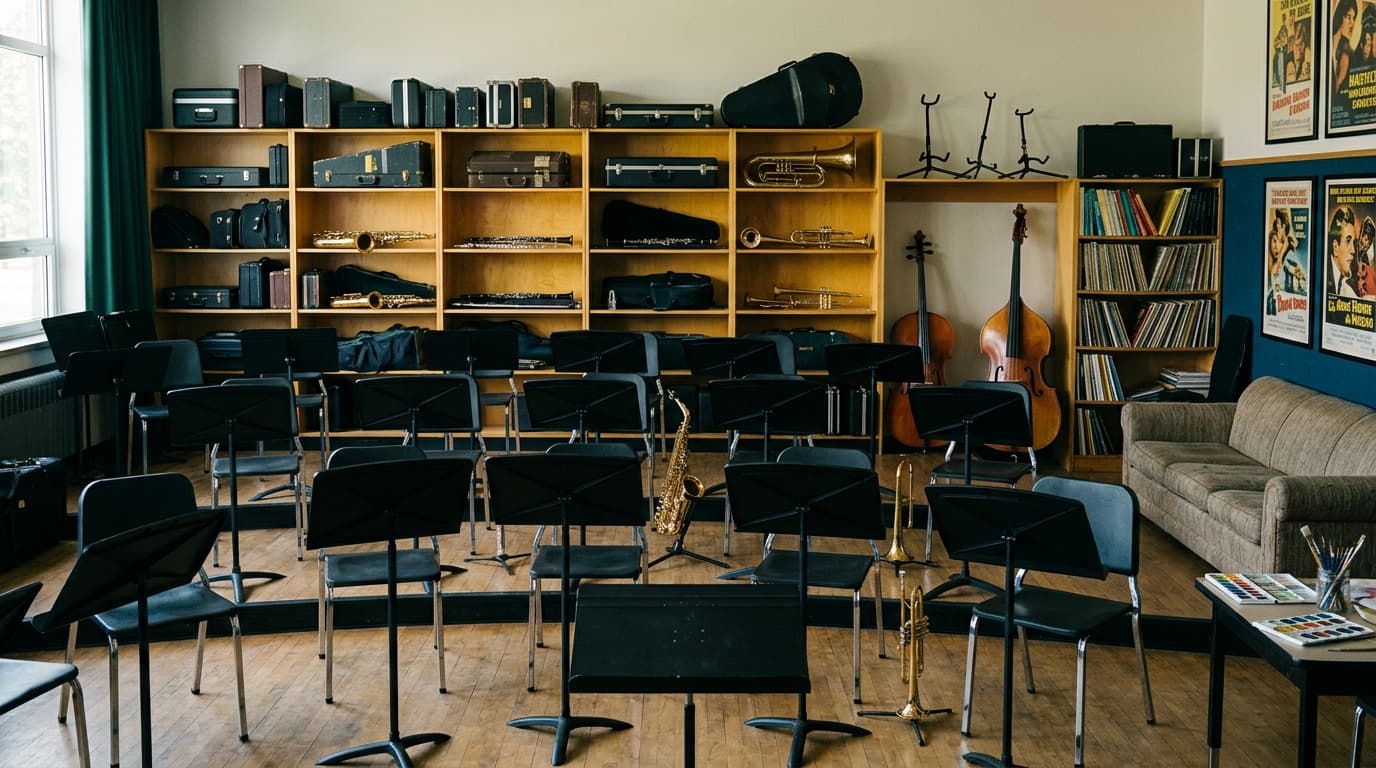
Pick an instrument without the twenty-minute debate
Music teachers know the hidden cost of "everyone wants guitar day" — half the class checks out when instrument choice never rotates. A random musical instrument picker assigns piano, violin, drums, or saxophone in one visible spin. Students watch the wheel decelerate; when the label lands, the listening or research task begins.
This wheel lists ten common instruments spanning strings, winds, brass, and percussion. Each occupies one equal segment, so harp and drums share identical odds every spin. That matters when you teach instrument families — spin first, then classify timbre, range, and typical ensemble role before playing a sample clip.
- Listening labs: Spin, then identify one recording featuring that instrument prominently.
- Writing crossover: Spin and describe the instrument using three adjectives without naming it — classmates guess.
- Art crossover: Pair with drawing prompt wheel for instrument still-life sketches.
Combine with random music genre picker for two-step spins — genre first, instrument second — then hunt for a piece that features both. Paste your school's actual ensemble instruments on the Name Spinner homepage when ten general labels feel too coarse.
Instrument lesson workflow
- Step 1: Spin for instrument.
- Step 2: Set a time box — one sample track, one paragraph of research, or one minute of air practice (mouthpiece or silent fingering).
- Step 3: Share one fact — inventor, country of origin, or famous soloist.
- Step 4: Optional second spin for ensemble role — melody, harmony, rhythm section.
- Elementary: Spin and clap the rhythm pattern typical of that instrument's genre.
- Middle school: Spin and diagram the instrument family tree.
- High school: Spin and compare acoustic versus electric versions where applicable — guitar, piano, drums.
Remove instruments your room cannot demonstrate safely before spinning. Build a classroom-safe sub-wheel on the homepage if certain entries require rental gear you lack — replace harp with ukulele, replace full drum kit with hand percussion.
- Copyright: Use licensed clips or district library databases when playing samples in school.
- Noise management: Agree on air-only practice for brass and woodwinds during study hall spins.
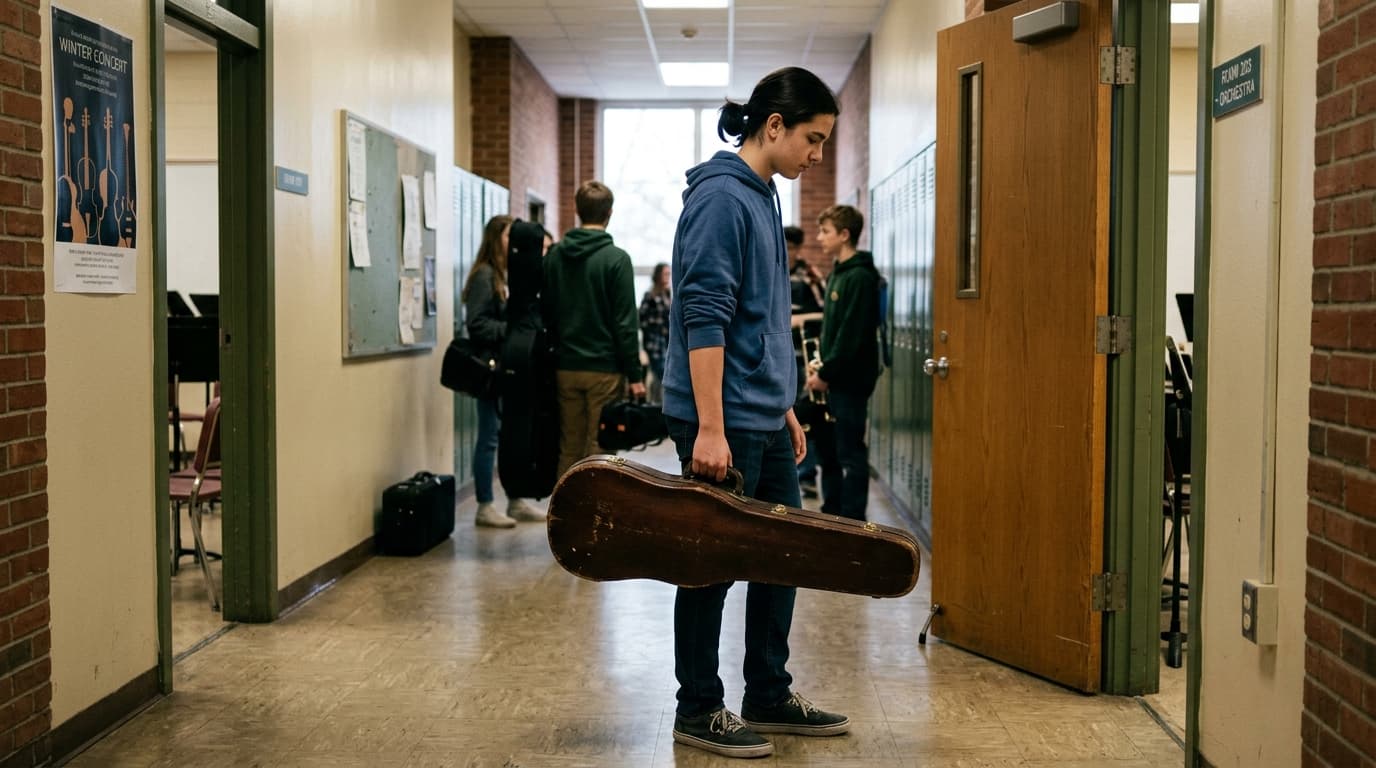
Instruments on this wheel
- Piano — keyboard, harmony, wide range
- Guitar — strings, pop and classical crossover
- Violin — bowed strings, orchestra anchor
- Drums — percussion, rhythm section driver
- Flute — woodwind, light timbre
- Trumpet — brass, fanfare and jazz
- Saxophone — reed woodwind, jazz and rock
- Cello — low strings, rich tone
- Clarinet — single reed, band staple
- Harp — plucked strings, arpeggios
Illustrative instrument wheel notes
10
Instruments on wheel
Add ukulele, tuba, or voice on homepage
Yes
Equal odds
One slot per instrument on this embed
~7 min
Typical setup time saved
Illustrative estimate vs student polling
Illustrative example only — rounded slot counts, not orchestra seating.
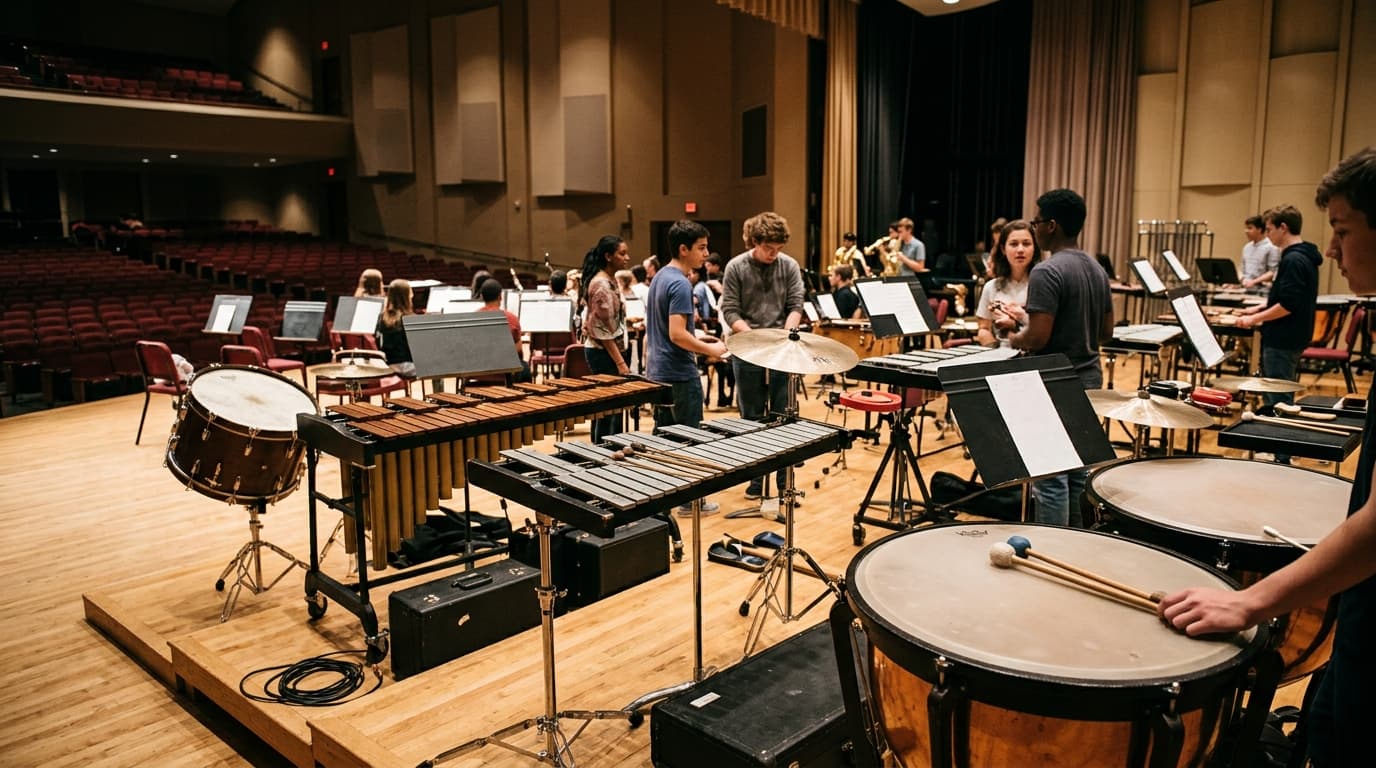
Fairness and house rules
Equal odds per instrument each spin when each appears once. If harp feels inaccessible because you lack one in the room, frame the task as research and listening rather than hands-on performance — or replace harp on the homepage before the unit starts.
Over many class sessions the same instrument may win twice — normal clustering, not a broken wheel. Use repeats to discuss probability. For assessment, require written reflection on timbre and role rather than performance mastery in one period.
- Rentals and equity: Acknowledge that not every family can afford private lessons on the spun instrument — assign library or YouTube listening instead of take-home gear.
- Neurodiversity: Offer noise-canceling headphones during group listening when drums or trumpet samples run loud.
- Cross-curricular links: Spin an instrument, then spin a random country picker and research where that instrument originated.
- STEM tie-in: Compare decibel levels across brass versus strings using safe meter apps — hypothesis before measurement, then graph results.
- Fundraising: Band boosters spin for instrument-of-the-month donation drives — landing on cello might fund a bow rehair clinic.
- Substitute plans: Leave a sub folder with QR code to this post — spin, listen, write three facts, sketch the instrument. No performance pressure when the regular teacher returns.
- Peer tutoring: Advanced players spin for mentee instrument and teach one fingering pattern to a beginner in five minutes — structured, timed, low stakes.
Recorder units: When budget limits real brass, spin and assign recorder or ukulele versions of the same family — woodwind spin might mean recorder fingerings instead of flute tone studies. Announce the substitution before spinning so students expect adapted tasks rather than feeling shortchanged.
One-period instrument spin lesson
Min 0–5
Review families — strings, winds, brass, percussion — before first spin.
Min 5–8
Whole-class spin; students write instrument name in journals.
Min 8–22
Listening clip plus three-fact research sprint with shared doc.
Min 22–30
Pair share; exit ticket names one ensemble that uses the instrument.
“Instrument wheels widen exposure — a random spin beats letting popularity pick guitar every week.”
| Instrument | Classroom task |
|---|---|
| Violin | Sketch bow direction on a diagram |
| Drums | Clap a four-beat pattern — no sticks required |
| Flute | Hum a scale; compare airy tone to trumpet clip |
| Piano | Label white keys on a paper keyboard handout |
Common questions
Instrument vs genre? Spin music genre first, then instrument, and find a recording that features both.
Orchestra seating? After a spin, map the instrument to its typical section — strings, woodwinds, brass, percussion — on a blank seating chart handout.
Share the result? Use homepage Share Result after custom spins with your real ensemble list.
Too loud for my room? Replace drums and trumpet on the homepage with hand percussion and recorder for indoor-only days.
Guest artist day? Spin for instrument, then invite a local player or older student mentor for a five-minute demo — schedule ahead, not surprise guests.
- Virtual band: Remote learners spin the same embed on a shared screen, then mute-unmute to describe the timbre they hear in a sample clip — inclusion without requiring everyone to own the physical instrument at home.
- Reflection journals: One sentence per spin builds a semester-long instrument glossary students keep.
Build your ensemble wheel
Paste the instruments your school actually owns — spin for sectionals or practice partners.
Create a custom instrument list →Build your own spinner wheel
Paste any list, import a class roster, save history, and share a link — free on the Name Spinner homepage. No account required.
Open full Name Spinner →Related guides
Art Movement Picker Wheel — Studio Class
Spin a random art movement for studio projects, art history units, and museum trips. Impressionism, cubism, pop art, and more — ten movements ready to spin.
In-page spinner

By Name Spinner
TV Show Genre Picker — Media Literacy
Spin a random TV show genre for media literacy, family night, and writing prompts. Sitcom, documentary, game show, and more — ten genres ready to spin.
In-page spinner
By Name Spinner
Video Game Genre Picker Wheel — Media Literacy
Spin video game genres for media literacy, library clubs, and design prompts. Action, puzzle, strategy, and more — ten classroom-safe genres ready to spin.
In-page spinner
By Name Spinner
What to Watch Tonight Spinner Guide
End streaming debates with a what-to-watch-tonight spinner — IMDb-style picks on a fair random wheel. Family movie night ready in one spin.
In-page spinner
By Name Spinner