
Name Spinner
- Spin a Japanese dish
Japanese Dishes — Spin What to Cook
Spin a Japanese dish wheel — noodles, rice bowls, and twenty plates, equal odds. Pick dinner when the table cannot agree. No signup.
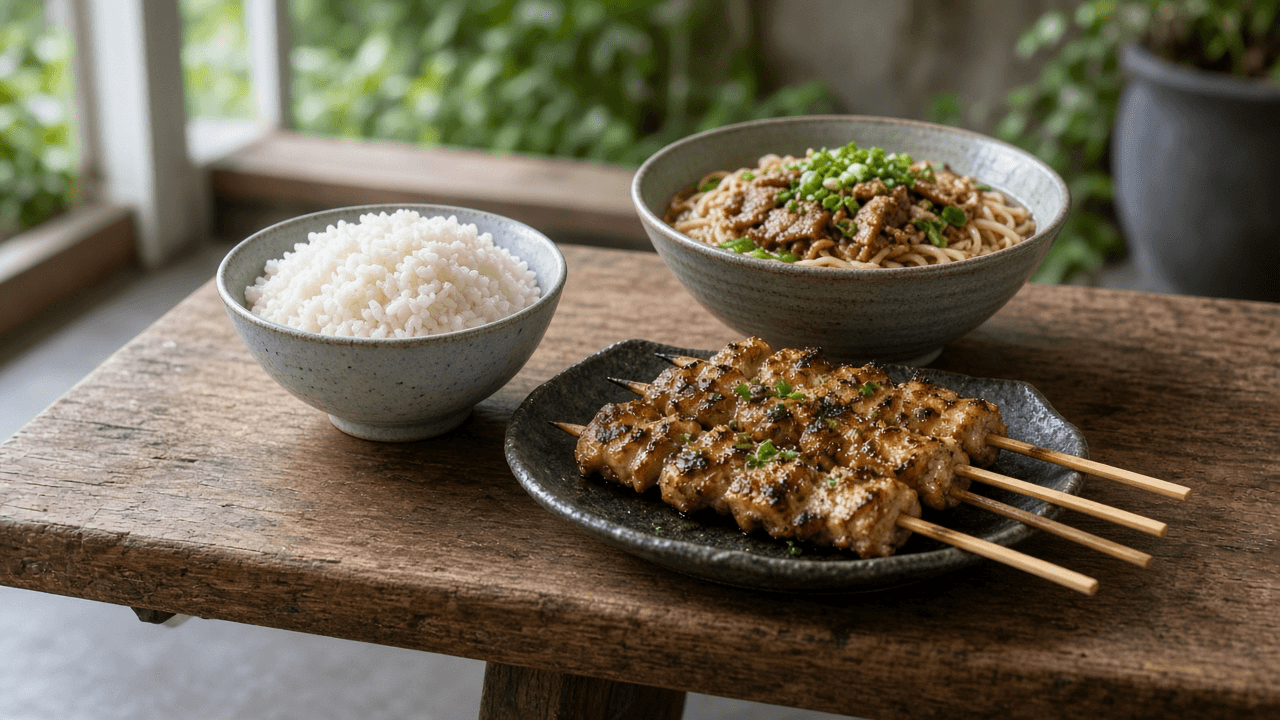
Pick a Japanese dish in one spin
Dinner stalls when one person wants ramen and another wants a rice bowl. Japanese dishes belong on one wheel: twenty plates, one slice each, and the meal is named when the wheel stops. Every name takes the same share of the circle. The person who hoped for Ramen still watched the spin.
7 names are noodles and soups: Chawanmushi, Miso Soup, Ramen, Soba, Sukiyaki, Udon, Yakisoba. 6 names are rice and raw: Donburi, Edamame, Onigiri, Sashimi, Sushi, Unagi. 7 names are fried and grilled: Chicken Katsu, Gyoza, Okonomiyaki, Takoyaki, Tempura, Tonkatsu, Yakitori. The smallest group is still one slice each, not a second dessert wheel.
This page picks a dish inside Japanese food. It does not pick a restaurant and it does not pick a country. The what to eat spinner is the wheel for "pizza or salad." Come here when the table already said Japanese and still cannot name the plate. Other cuisines live on their own wheels so this night does not land on a plate from a different list.
Families spin once before anyone opens a delivery app. Roommates use the landing as the one order the group will share. A cook at home treats the name as the dish to shop for, not as a full recipe with brand calls or oven times.
Twenty equal slices means Ramen can repeat inside a short sample. That clustering shows up in coin flips too. If the lesson is probability, tally the landings and compare them with one-in-twenty. Re-spin only when the dish is off the table — an allergy, a missing ingredient, or a guest who will not eat that plate tonight. Wanting a different favorite is not a reason for a second spin.
A Japanese dish is the plate. It is not the city and it is not the restaurant. Paste a shorter list on the Name Spinner homepage when the group can only cook from one of the three groups. This list is the dish, not a prefecture and not a restaurant. The Japan prefecture wheel is a geography list.
Japanese dish session workflow
Step 1. Say the rule before the spin: one spin, one plate. Step 2. Drop dishes nobody can eat tonight. Step 3. Spin and let it finish. Read the name and say which of the three groups it belongs to. Step 4. Order it or shop for it before anyone names a second dish.
The wheel does not set the portions and it does not choose the shop. It names the plate. If the group wants a familiar dish heavier on the wheel, add it once on purpose. Duplicating Ramen changes the odds. Do that only when the group has agreed that a heavier segment is the point.
Weeknights can run this from the page without a menu debate. The note is enough: spin, name the group, order, stop. Remote friends share the screen so every person sees the same landing. A result that half the chat did not see will be argued again.
The person cooking still owns the clock. A spun plate is not permission to turn a weeknight into a feast. Say the limit — one pot, delivery only, or no oven after eight — before the first spin. A seated dinner is a complete version of the same choice. Write the shopping list in the same minute the wheel stops, while the name is still the decision and not a suggestion.
One dinner decision
Minute 0 — Rule
Read the one-spin rule. Show that the three groups share one wheel.
Minute 2 — Trim
Remove dishes the table cannot eat tonight.
Minute 4 — Spin
One spin. Read the name and name its group.
Minute 6 — Eat
Order the dish or write the shopping list. Stop there.
Share of the 20 names. Each dish is still one slice.
| Group | What lands | Names |
|---|---|---|
| Noodles and soups | A noodle bowl or a soup | 7 |
| Rice and raw | A rice bowl or a raw plate | 6 |
| Fried and grilled | A fried or grilled plate | 7 |
Names in each group
- Noodles and soups — Chawanmushi, Miso Soup, Ramen, Soba, Sukiyaki, Udon, Yakisoba.
- Rice and raw — Donburi, Edamame, Onigiri, Sashimi, Sushi, Unagi.
- Fried and grilled — Chicken Katsu, Gyoza, Okonomiyaki, Takoyaki, Tempura, Tonkatsu, Yakitori.
What to do with the landing
- Shop — name who buys the ingredients if you cook.
- Share — one plate for the table, or one order each of the same dish.
- Skip — drop a dish for an allergy, not because it was not the favorite.
- Stop — a second spin is a new decision, not a correction.
- Limit — say delivery, one pot, or a short cook before the spin.
What this wheel includes
20
Dishes
One segment each
3
Groups
noodles and soups, rice and raw, fried and grilled
$0
Cost
Spins in the browser, no signup
When the result feels unfair
Noodles or grilled plates can appear several times in a row without the wheel being broken, because seven of the twenty names are in that group. Count the landings on paper before you call it bias. If the group wants only the six rice and raw plates, build that shorter list and spin it. Spinning until Ramen appears is a different activity, and you should not describe it as random.
A missing dish is a list problem. This page does not include a map, a restaurant ranking, or a recipe. Add a local plate on the homepage when that plate is the point. Ramen is not a dish from a different cuisine wheel. Say that once if someone wants the lists merged.
Use the what-to-eat wheel when the goal is the kind of meal. Use this wheel when the goal is the Japanese dish. A spun plate can be followed by a drink choice, but do not turn every landing into a second wheel. A named plate is a complete dinner.
If the room is split between "which cuisine" and "which Japanese dish," do not merge the lists. Twenty Japanese plates plus another cuisine makes most landings a Japanese dish before they are a choice of cuisine. Spin this page or the what to eat spinner, not a mixed list, when the group already knows the question on the table.
Tonkatsu is the breaded pork cutlet. Chicken Katsu is the same cut with chicken. Sukiyaki is the tableside beef pot. Onigiri is the rice triangle. Sashimi is the sliced raw fish, and sushi is the rice plate. None of those need a restaurant award from this wheel. The wheel already chose the dish.
Hosts who cook for a mixed table should name the limit out loud: no shellfish, no pork, or no oven. Remove those segments before the spin so the landing is a plate the room can actually eat. A spin that ignores a known limit will be argued, and the argument is not a fairness problem. It is a list problem. Fix the list, then spin once.
The same wheel works for a weeknight and for a Sunday lunch. The difference is the clock you announced, not a second page. If the group wants leftovers the next day, that is a plan you add after the name lands. It is not a reason to spin again tonight.
“The wheel names the Japanese dish. You still choose the shop, the clock, and who cooks.”
Build your own spinner wheel
Paste any list, import a class roster, save history, and share a link — free on the Name Spinner homepage. No account required.
Open full Name Spinner →Related guides
American Dishes — Spin What to Cook
Spin an American dish wheel — regional plates and twenty dinners, equal odds. Pick dinner when the table cannot agree. No signup.
In-page spinner

By Name Spinner
Arabian Dishes — Spin What to Cook
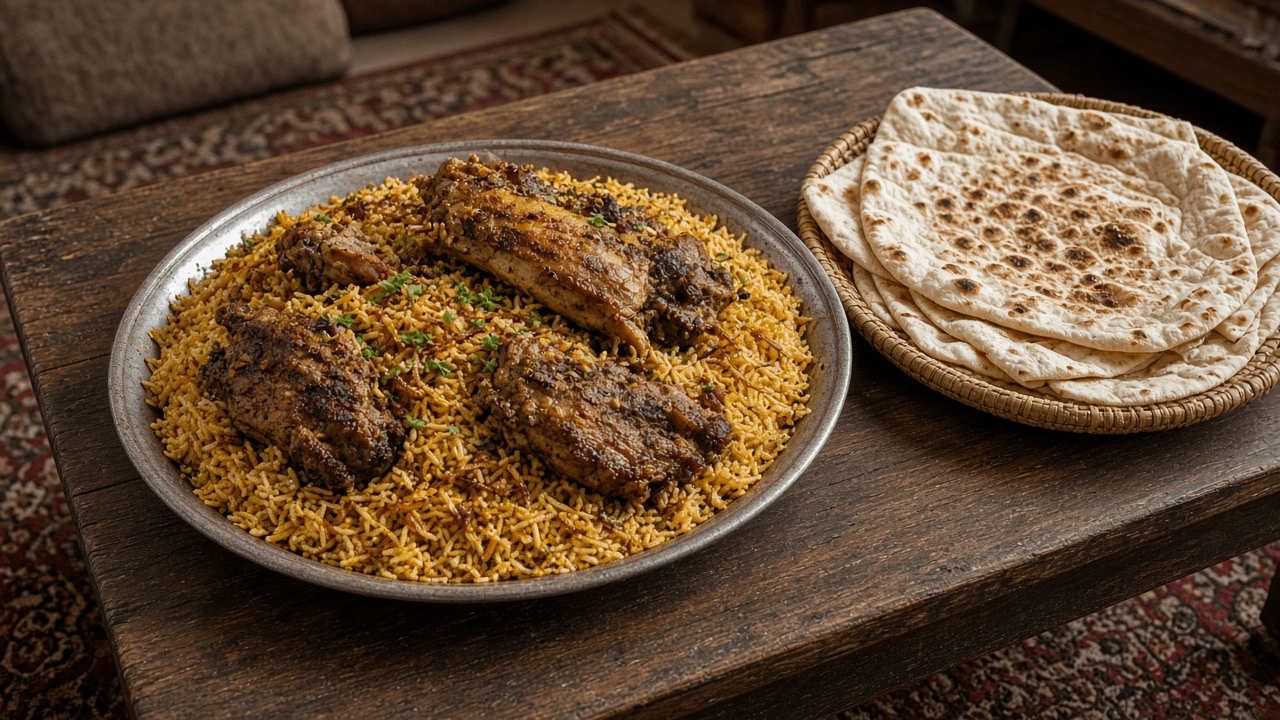
Spin an Arabian dish wheel — kabsa, hummus, and twenty plates, equal odds. Pick dinner when the table cannot agree. No signup.
In-page spinner
By Name Spinner
Chinese Dishes — Spin What to Cook
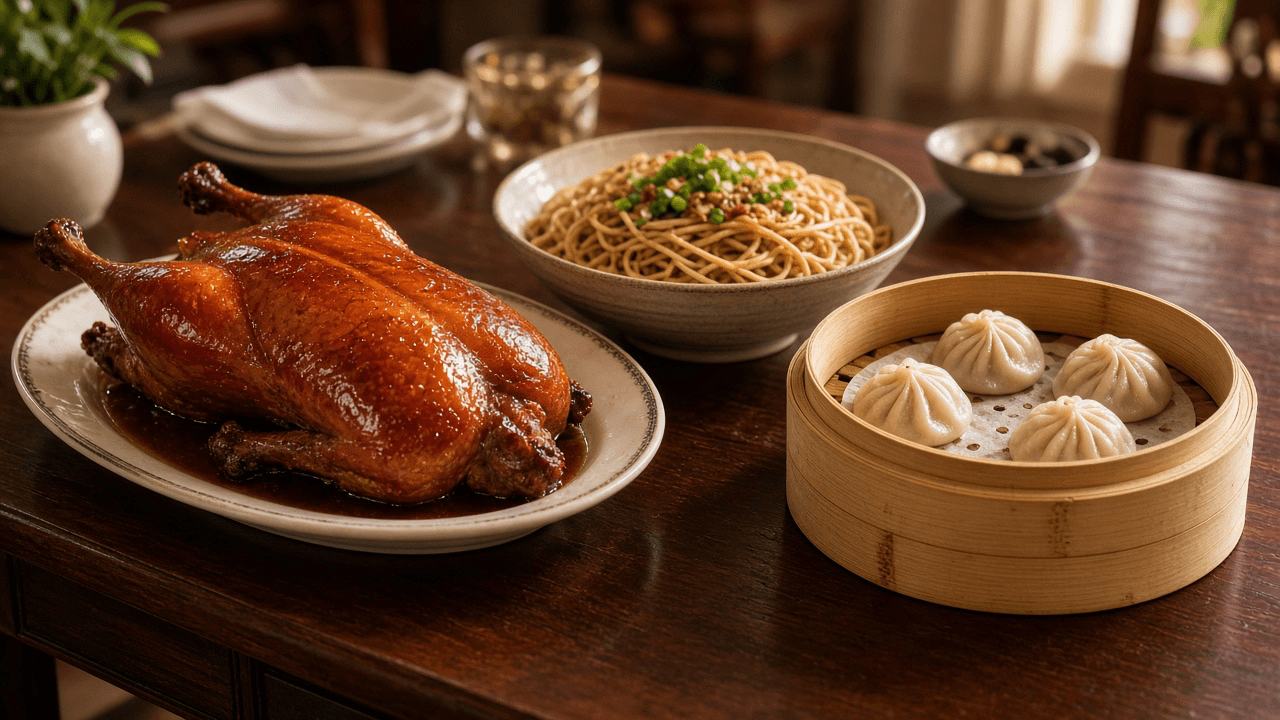
Spin a Chinese dish wheel — noodles, roast duck, and twenty plates, equal odds. Pick dinner when the table cannot agree. No signup.
In-page spinner
By Name Spinner
Cuban Dishes — Spin What to Cook
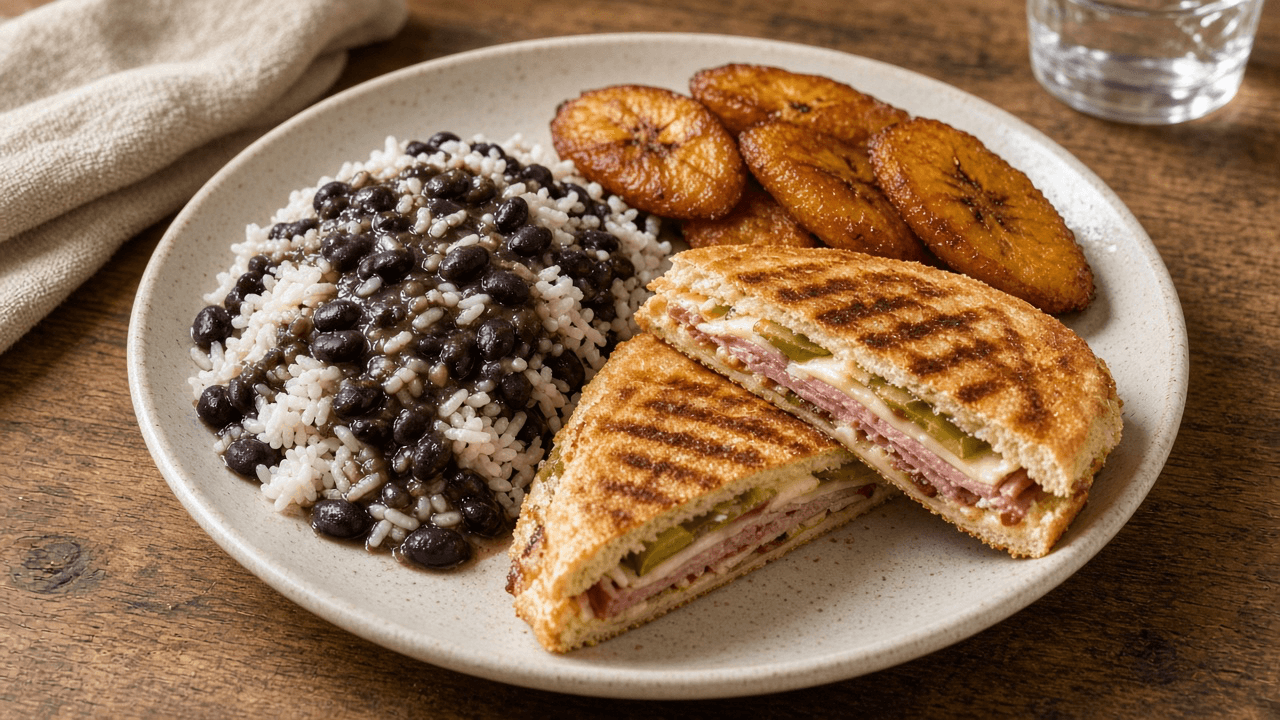
Spin a Cuban dish wheel — ropa vieja, rice, and twenty plates, equal odds. Pick dinner when the table cannot agree. No signup.
In-page spinner
By Name Spinner